
Pregnancy reshapes your body, your schedule, and your sense of self in a handful of months. For many expectant parents, prenatal yoga and meditation become more than exercise—they’re practical tools for coping, preparing, and connecting with the changes ahead.
This article explores how mindful movement and focused breathing support physical comfort, emotional resilience, and confidence for labor and beyond. I’ll share research-backed benefits, practical techniques, safety guidelines, and examples that you can adapt whether you join a class or practice at home.
What prenatal yoga and meditation mean in practice
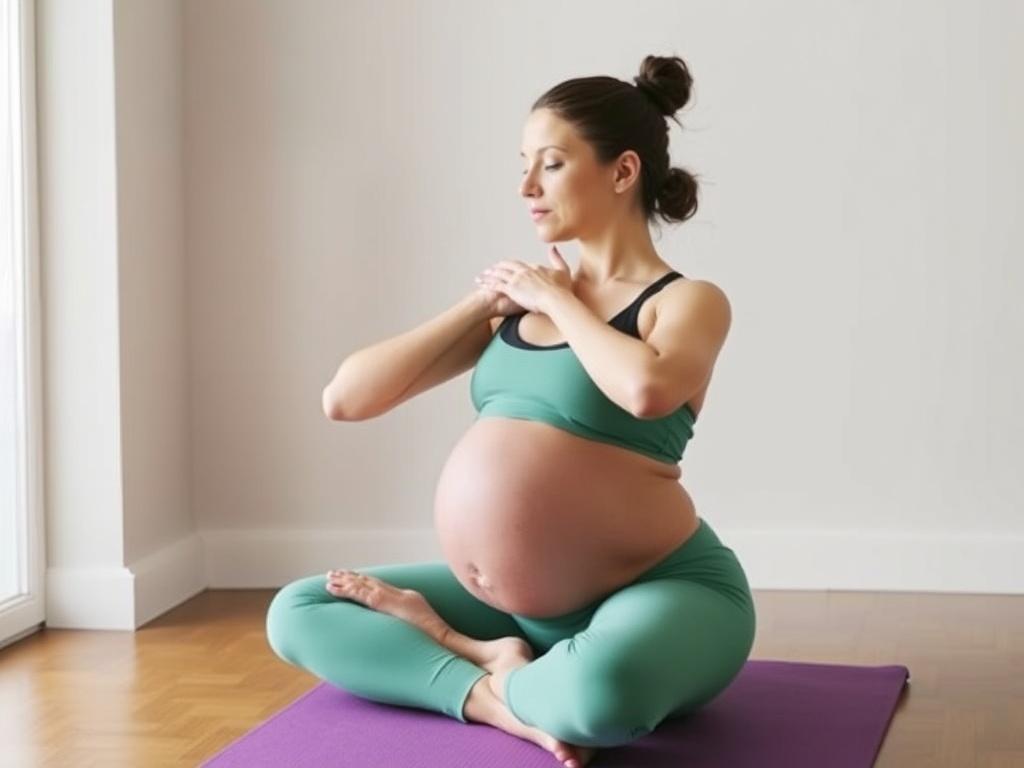
Prenatal yoga refers to yoga classes or sequences adapted specifically for pregnant bodies, with attention to balance, joint stability, hip mobility, and breathing patterns useful in labor. Meditation during pregnancy can range from guided imagery to simple breath awareness and short seated practices that calm the nervous system.
Combined, these practices emphasize breath-synchronized movement, pelvic awareness, and mental focus—skills that translate directly to pain management and emotional regulation during childbirth. The sessions tend to be gentler than typical vinyasa flow, with props and modifications used liberally.
Physical benefits for the changing body
Pregnancy brings a cascade of physical changes: shifting centers of gravity, loosening ligaments, and increasing load on the lower back. Regular prenatal yoga builds strength in the hips, glutes, and core while promoting spinal mobility, which can ease commonly reported complaints like lower back pain and sciatica.
Gentle stretching reduces muscular tension and improves circulation in the legs, helping to decrease swelling and the heaviness that often leads to restless nights. Postural awareness practiced in class encourages better alignment while standing and sitting, minimizing strain as your belly grows.
Improving breathing and pelvic awareness
One of the most practical gifts of prenatal practice is refined breath control. Techniques such as deep diaphragmatic breathing and paced exhalations teach you how to direct breath to the lower belly and pelvis, where it supports relaxation during contractions.
Pelvic awareness—learning to release and then engage the pelvic floor intentionally—helps during labor when the pelvic muscles must lengthen and coordinate with pushing. These skills also support postpartum recovery by preventing unnecessary strain during the early weeks after delivery.
Mental and emotional benefits
Pregnancy is a roller coaster of hormone-driven mood swings, worries about the future, and sudden bursts of joy. Meditation practices applied during this time give your nervous system a chance to downshift, which reduces cortisol levels and helps stabilize mood.
Mindfulness trains attention: you become better at noticing anxiety without being overwhelmed by it. That translates into clearer decision-making around birth plans and an increased capacity to tune into bodily cues during labor.
Preparing for labor and birth
Yoga sequences tailored for labor emphasize positions that open the pelvis and use gravity to encourage optimal fetal positioning. Supported squats, lunges, and hands-and-knees variations can be practiced safely and become familiar positions to try during labor.
Breath techniques practiced repeatedly during pregnancy become automatic during contractions, helping to reduce fear and perceived pain. Many birthing educators report that people who have a meditation or yoga practice arrive at labor with a calmer baseline state, which often shortens active labor and reduces the need for intervention.
Reducing common pregnancy complaints
Sleep disturbances, nausea, shoulder and neck tension, and varicose veins are frequent complaints during pregnancy, and many of these respond to the gentle movement and improved circulation that yoga encourages. Evening relaxation practices can ease the transition to sleep by signaling the body to release adrenaline.
Simple sequences that emphasize side-lying stretches, gentle twists, and supported hip openers can relieve tightness without demanding a lot of energy. These short practices are especially useful during the first and third trimesters, when long sessions may not feel comfortable.
Emotional connection and partner involvement
Meditation and partnered yoga offer an accessible route to bonding—both with the growing baby and with your partner. Partnered breathing, supported hip stretches, and massage exchanges help partners learn to provide comfort during labor.
These shared practices build physical confidence and create rituals the two of you can return to at home. Many couples describe prenatal yoga classes as places where they first tried simple positions and breathwork they later used in the delivery room.
How meditation complements movement
Meditation anchors the nervous system in ways movement alone cannot. A short seated or guided-rest practice at the end of a yoga session consolidates the physiological benefits of movement into a calmer baseline for the day.
For some people, meditation also provides a mental rehearsal space, visualizing the body’s capacity to manage contractions or picturing the baby descending and finding a comfortable birth position. This kind of rehearsal is quietly powerful and does not require long sessions to be effective.
Types of meditation suited to pregnancy
Not all meditation styles are equally accessible during pregnancy. Breath-focused mindfulness, body scans, and loving-kindness practices are particularly well-suited because they reduce anxiety and cultivate compassion without requiring rigid posture.
Guided imagery can be tailored to birth preparation—imaging warm, supported womb space or gentle waves representing contractions. Short practices—five to fifteen minutes—fit easily into busy days and offer cumulative benefits when done consistently.
Safety considerations and when to modify
Pregnancy-specific modifications are essential: avoid deep abdominal compression, extreme balance poses without support, and breath retention techniques that are forceful or prolonged. After the first trimester, lying flat on the back can compress major blood vessels and should be avoided for extended periods; use a wedge or props instead.
Certain medical conditions—such as preeclampsia, uncontrolled high blood pressure, cervical insufficiency, or placenta previa—require medical clearance before starting or continuing a yoga practice. If you experience bleeding, dizziness, or regular contractions, stop and contact your healthcare provider.
Common modifications and props
Blocks, bolsters, straps, and a folded blanket transform many standard poses into supportive postures that respect your changing center of gravity. Using a chair for balance, widening your stance for stability, and practicing side-lying or seated poses protect the belly and spine.
For inversions or advanced twists, seek an experienced prenatal teacher who can offer alternatives. A supported bridge with a block, or a reclined bound-angle pose with bolsters, provides the benefits of opening and strengthening without strain.
Recommended poses and those to avoid
Poses that open the hips, encourage pelvic mobility, and strengthen the lower back are typically encouraged. Think gentle squats, cat-cow, supported lunges, and wide-legged forward folds with a straight spine.
Pose avoidance focuses on balancing safety and comfort: skip deep backbends, strong abdominal work, and any posture that feels shaky or forces balance without support. Always listen to your body and adapt as needed.
Quick reference: safe vs. to approach with caution
Below is a brief table that summarizes common poses and their recommended modifications or cautions to help you choose appropriate options in class or at home.
| Pose | Recommended modification | Notes |
|---|---|---|
| Cat-cow | Perform slowly with wide knees | Great for spinal mobility and pelvic awareness |
| Supported squat (Malasana) | Use a block or chair under the hips | Opens hips and practices bearing weight for labor |
| Downward-facing dog | Hands on wall or elevated surface | Avoid if balance is compromised |
| Forward fold | Widen stance and fold from hips | Avoid compressing belly; support with hands on blocks |
| Supine poses | Use a wedge or incline after first trimester | Prolonged supine can reduce blood flow |
| Deep twists | Open, gentle twists with support | Avoid compressive twists over the belly |
When to start and how often
There’s no single perfect moment to begin—many people start prenatal yoga as soon as they feel comfortable, while others wait until the second trimester. If you have a low-risk pregnancy, even gentle practice in the first trimester can help with nausea, fatigue, and mood swings.
Frequency depends on energy levels and schedule: two to four shorter sessions per week is a sustainable goal for most people. Consistency matters more than duration; ten minutes of focused breathing daily is more beneficial than a single long session every two weeks.
Finding the right class or teacher
Look for instructors specifically trained in prenatal yoga who can guide you through safe modifications and offer reassurance about labor positions and breathing techniques. A skilled teacher listens, offers hands-on adjustments only with consent, and knows how to accommodate common pregnancy complications.
Online classes can be convenient, but choose those led by qualified prenatal instructors and always check in with your provider if you have health concerns. When possible, try different teachers until you find a tone and pace that suits you.
How to structure a prenatal session at home
A balanced home session often begins with gentle warm-ups—neck rolls, seated cat-cow, and ankle circles—followed by hip openers and standing poses that build strength. End with a calming breathing practice or guided relaxation to integrate the physical work.
If energy levels are low, shorten the sequence to five targeted moves and end with five minutes of breath awareness. Keep props nearby and practice near a wall for balance support as your center of gravity shifts.
Sample 20-minute sequence
This short routine can be done most days and combines movement with breath and relaxation.
- Seated diaphragmatic breathing – 3 minutes
- Cat-cow with wide knees – 2 minutes
- Supported lunges – 4 minutes (2 minutes each side)
- Wide-legged squat with block – 3 minutes
- Side-lying supported twist – 3 minutes (1.5 minutes each side)
- Guided body scan or loving-kindness meditation – 5 minutes
Using breath as a tool in labor
Breath practices teach you how to lengthen exhales and use that rhythm to reduce panic during a contraction. Slow, controlled breathing activates the parasympathetic nervous system, which helps the body relax between contractions and conserves energy for active pushing phases.
Practice simple patterns: a slow inhale through the nose, a gentle sighing exhale through the mouth, or rhythmic breaths counted to a comfortable length. Repetition in pregnancy builds muscle memory so you can access these patterns automatically during labor.
How prenatal practice supports postpartum recovery
The benefits don’t stop after birth. Pelvic floor awareness, breath control, and core engagement practiced during pregnancy ease the postpartum transition by supporting bladder control and reducing back pain. Early postpartum mobility practiced gently and mindfully accelerates recovery.
Meditation helps new parents manage sleep deprivation and the emotional intensity of early parenthood. Short, regular practices can reduce reactivity and help caregivers remain present in demanding moments with a newborn.
Research highlights and evidence
Clinical studies have linked prenatal yoga with reduced symptoms of depression and anxiety, improved sleep quality, and reduced lower back pain. Some randomized trials suggest shorter labor duration and decreased need for analgesics among people who practiced yoga regularly, although study designs and sample sizes vary.
Overall, the body of evidence supports yoga and meditation as low-risk, low-cost interventions that complement medical prenatal care. As with any intervention, they are most effective when tailored to individual medical situations and taught by qualified instructors.
Real-life examples and personal experience
I taught a prenatal class years ago where a quiet expectant mother used the same breathing pattern during a prolonged labor; weeks later she told me the practiced rhythm made her feel less frightened and more in control. Stories like that stick with me because they’re about practical resource-building rather than promises of a perfect birth.
Another student who had chronic hip pain found that a five-minute daily pelvic mobilization sequence allowed her to walk longer and sleep better. These are small, measurable wins that accumulate and make the postpartum period easier to navigate.
Addressing common concerns and misconceptions
Some people worry that yoga is unsafe while pregnant or that meditation will obsess them with fears about childbirth. In reality, pregnancy-adapted yoga intentionally avoids risky positions, and meditation encourages observation without attachment—so fears often shrink instead of growing.
Others assume yoga requires extreme flexibility or fitness. Prenatal classes are designed for all bodies and fitness levels; teachers provide seated and supported variations so everyone can participate meaningfully.
When to stop or seek medical advice
Stop your practice and contact your healthcare provider if you experience vaginal bleeding, sudden fluid loss, decreased fetal movement, sharp pelvic pain, severe headaches, or vision changes. These can be signs of complications that require immediate medical attention.
For ongoing symptoms such as persistent dizziness, fainting, or any unusual or severe pain during or after practice, seek medical evaluation and discuss modifications or pauses to your routine.
Tips for staying motivated and consistent
Short and regular beats occasional and long. Set a realistic schedule—five minutes of breathwork after waking, ten minutes of stretching midafternoon, and a brief guided meditation before bed can be far more effective than a single strenuous session each week.
Pair your practice with existing routines: do breathwork while waiting for the kettle, or end each shower with a few standing hip openers. Consistency builds confidence, and confidence makes it easier to trust your body during labor.
Resources: classes, apps, and books
Seek local studios with prenatal-certified teachers, childbirth education centers, or midwife clinics that offer group classes. Many apps and online platforms host prenatal-specific sequences and guided meditations—look for content taught by instructors with prenatal credentials.
Books that combine practical sequences with breathing and mindfulness guidance can be great companions, especially when paired with in-person instruction that corrects alignment and offers tailored advice.
Practical checklist before a prenatal class
Bring a water bottle, a stable yoga mat, and any props you have—blocks, a bolster, or a folded blanket. Wear comfortable, breathable clothing that allows for a full range of movement and gives your instructor the ability to see your alignment if you want adjustments.
Tell the teacher about any medical conditions and discuss how far along you are so they can suggest appropriate modifications. Arrive a few minutes early to settle in and start class with a calm baseline.
Mindful transitions to postpartum practice
After birth, start with gentle breathing and pelvic floor reconnection, progressing to more energetic core and leg work only when your provider gives clearance. The principles you learned prenatally—breath-synchronized movement and pelvic awareness—translate well into safe postpartum rehabilitation.
Include short meditations to help with sleep disruption and emotional regulation. Practicing compassion for your changing body is an important and often overlooked part of recovery.
Wrapping these practices into daily life
Think of prenatal yoga and meditation as tools, not obligations. A few focused breaths or a two-minute pelvic mobilization during a busy day will often yield immediate relief and a calmer mindset.
Over time, these tiny shifts accumulate into greater physical resilience, more restful sleep, and a deeper sense of readiness for labor and parenthood. The investment you make during pregnancy pays ongoing dividends during postpartum life and beyond.
Final thoughts on starting and sustaining practice
Approaching pregnancy with an attitude of curiosity—trying a few moves, noticing how your breath changes, and making small adaptations—turns yoga and meditation into practical allies rather than abstract ideals. These practices don’t promise perfection, but they do offer skills that make labor and early parenting more manageable.
If you’re unsure where to begin, start small, seek qualified guidance, and treat each session as an experiment in learning what helps your body and mind. That steady, patient attention is where real benefits grow.

 Navigating maternity leave and work rights: what new parents need to know
 How to help your child welcome a new sibling
 The science behind pregnancy cravings: why your body is suddenly fixated on pickles