
Bringing a baby into a household is a joyful upheaval, and the way older children are prepared can shape their feelings for months or years. Thoughtful preparation reduces confusion, fear, and backlash, and it can seed genuine curiosity and affection. This guide lays out practical, age-sensitive steps you can take before, during, and after the birth to make the transition as smooth as possible for everyone.
Why careful preparation matters
Children are observers first and interpreters second: they notice the changes long before you explain them. Without preparation, those observations can turn into jealousy or acting out because the child lacks vocabulary or a sense of control about what’s happening.
Preparing siblings for a new baby’s arrival isn’t just about avoiding tantrums. It’s about helping children find a place in the changing family story, preserving attachment to caregivers, and giving them concrete ways to belong.
When families take time to prepare, research and anecdotal evidence both show fewer behavior problems and more positive sibling interactions after birth. Preparation helps set expectations, and expectations shape behavior.
When and how to announce the pregnancy
Timing matters. Announcing too early can mean prolonged uncertainty and repeated questions; announcing too late can feel abrupt. Aim for a window that fits your child’s temperament and age—generally, telling preschoolers and school-age kids a few months before birth works well, while toddlers may only need weeks.
The tone you use matters as much as the timing. Keep the initial announcement simple and concrete. Use short sentences and tangible examples: “There’s a baby growing in Mommy’s belly. Soon there will be a baby here to feed and cuddle.”
Be ready for an immediate emotional reaction and for questions. Answer truthfully but simply. If you don’t know an answer—about the baby’s sleeping schedule or how much attention the child will get—say so and promise to tell them as you learn.
Age-specific announcement ideas
Toddlers benefit from concrete, short explanations and a prop like a soft doll to model baby care. Preschoolers absorb stories and visual cues; a simple calendar countdown can help them grasp time. Older children can be involved in planning and decision-making, such as choosing a sibling gift or naming possibilities.
Here’s a quick list to tailor the message by age:
- 0–2 years: Use a doll and show pictures of babies; keep it brief and physical.
- 3–5 years: Read books about new siblings; start a small “big sibling” routine.
- 6–9 years: Explain upcoming changes and give options for involvement.
- 10+: Treat as a peer; discuss responsibilities, privacy, and expectations.
Use play, books, and role-play to build understanding
Children learn through play. Role-playing baby care with dolls or stuffed animals is one of the best ways to demystify the newborn and rehearse gentle interactions. Make play varied: feeding, diapering, rocking, and taking turns so the child practices both care and patience.
Books and stories help kids label emotions and see examples of other children adjusting. Choose stories that show a range of realistic reactions—jealousy, pride, pride mixed with frustration—and offer solutions. Read together and pause to ask, “How would you feel?” or “What could we do if you felt left out?”
Include your child’s favorite playmates—real or imaginary—so the learning happens in familiar territory. Ask them to teach a doll something they recently learned; teaching reinforces their competence and helps them see the new baby as someone they might help teach.
Books and media that help
Stories that balance honesty with reassurance work best. Avoid overly saccharine portrayals where the older child immediately adores the baby without ambivalence. Look for books with concrete scenarios you can discuss together afterward.
When using media, watch with your child and talk through scenes that show caregiving or sibling conflict. Media can be a springboard for discussion: “Did that child handle that well? What could they have done differently?”
Practical preparations at home
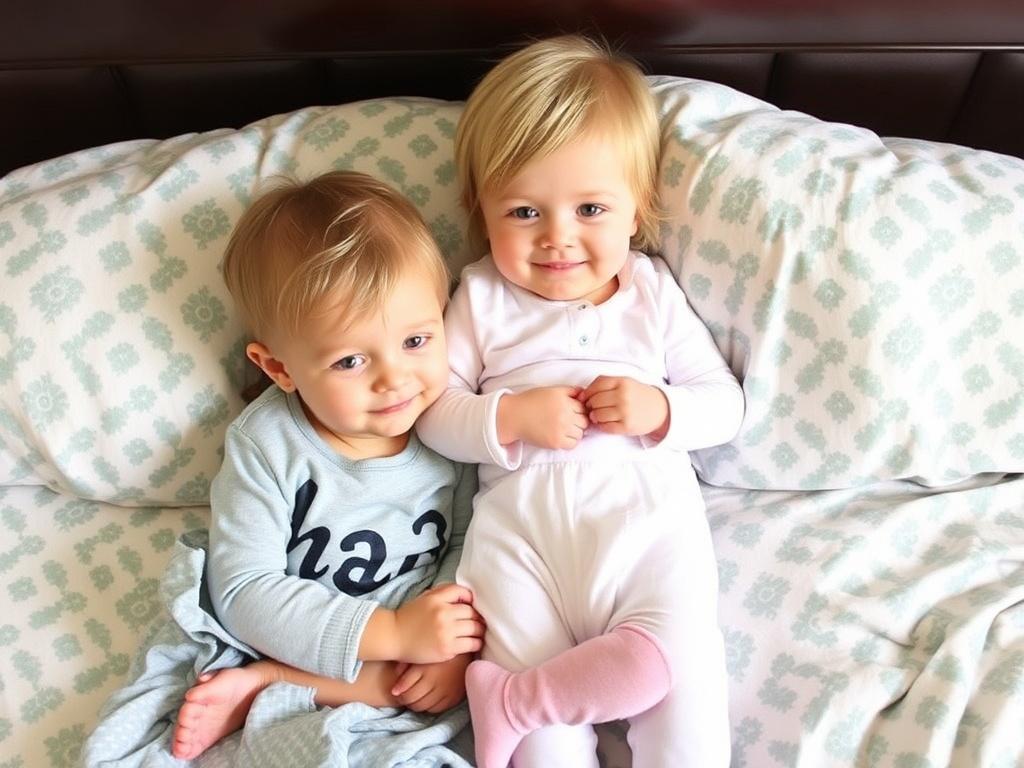
Physical changes at home can be unsettling. Rearranging furniture, preparing the nursery, or introducing new feeding equipment all affect a child’s sense of stability. Bring them into decisions when possible—letting them pick a blanket or choose a picture for the nursery gives them ownership.
Practice is also useful. Do a few “practice days” where your child wears a sign that says “big sibling” or practices a morning routine you will use once the baby is home. Practice helps reduce surprises and builds a predictable rhythm that a child can rely on.
Create a small, private space for your older child that remains unchanged: that continuity helps them anchor themselves when everything else is shifting. Simple things—a favorite nightlight or a shelf with special toys—offer continuity in a time of change.
Checklist for household preparations
Use a short checklist to organize practical tasks and who will handle them. Keep the list visible so your child can see it and feel involved.
- Decide what toys and furniture will be moved and explain why.
- Designate a safe “big kid” area for play and quiet time.
- Prepare one or two new books or toys to introduce after the birth.
- Practice simple caregiving tasks like fetching diapers or picking out a onesie.
Involving siblings in caregiving, safely and appropriately
Children want to help because contributing matters to their sense of belonging. Offer concrete, age-appropriate tasks that allow real participation without compromising safety. Even small duties like choosing a pacifier color or bringing a burp cloth convey value.
Set clear boundaries: only certain tasks are for kids (passing a clean wipe, singing a short song), and others remain adult-only (handling bottles, holding the baby unless supervised). Explain the “why” behind restrictions in simple terms: “We adults do the bottles because they spill and are hot.”
Encourage non-contact ways to bond during early weeks—reading aloud to the baby, showing the baby a drawing, or helping choose the baby’s clothes. These activities allow connection while protecting fragile health and routines.
Managing jealousy and behavioral shifts
Jealousy is a normal reaction to a major redistribution of attention. Expect regression in behaviors—bedwetting, clinginess, thumb-sucking—even in potty-trained children. Respond with patience, not punishment. Reassurance and consistent routines lead to quicker recovery.
Plan one-on-one moments daily, even if short. Five uninterrupted minutes of focused attention can be incredibly stabilizing for a toddler. These mini-sessions should be undivided: no phones, no multitasking, just attuned presence.
Reward cooperation with specific praise that focuses on effort: “I noticed you helped pick out the baby’s socks—that was very kind.” Specific praise teaches the behaviors you want to see repeated.
Strategies for common challenging behaviors
When acting out occurs, validate the emotion before correcting the behavior: “You seem angry because the baby is getting a lot of hugs. It’s okay to be angry.” Labeling feelings reduces escalation and opens space for problem-solving.
Use natural consequences rather than arbitrary punishments when reasonable. If a child refuses to share a toy for a supervised hold, explain that holding time has to be calm and safe, and offer another short role instead.
Discipline and setting expectations
Clear, consistent rules help children feel secure. Before the baby comes, outline a few family rules that will still apply: “We use gentle hands with the baby,” or “We ask before taking someone’s toy.” Keep the rules few and concrete.
Discuss privileges and responsibilities explicitly. For example, “If you help with picking out clean clothes, you’ll get to choose tonight’s bedtime story.” Linking action to privilege makes expectations tangible and fair.
Avoid making the older child a permanent enforcer or babysitter. Help is a job they can do occasionally; it is not their primary responsibility. Protecting them from an unfair emotional burden keeps resentment from building.
Preparing for the hospital or birth center visit
The day of the birth is intense and unpredictable. Prepare a simple plan for the sibling: Will they come to the hospital? Who will stay with them? Pack a go-bag with favorite items, snacks, and a recent family photo to show the baby later.
If siblings will visit, practice the visit with role-play. Talk through the rules—no crowding, quiet voices, and how to approach the baby’s crib. Rehearsing reduces anxiety and helps the child feel prepared for the unusual environment.
Decide who will be the sibling’s primary consistent caregiver on that day. A familiar adult who can model calm and offer one-on-one attention will keep the sibling secure and reduce the likelihood of disruptive behavior.
First meeting: how to introduce the newborn
The first minutes and hours set a tone. Keep the introduction brief and guided. Let the older child greet the baby with a calm, supervised approach—holding a hand near the baby or placing a gentle kiss on the foot are common first-touch options.
Use simple language that invites curiosity rather than imposing closeness: “Would you like to say hello? You can touch the baby’s toes very gently.” Direct instruction helps children know what’s safe and allowed.
Bring a small, symbolic gift from the baby to the sibling—something inexpensive but special, like a “big sibling” badge or a new book. This ritual helps frame the event as a shared family milestone and reduces competition for attention.
Routines after the baby comes home
Predictability soothes. Maintain as many of the older child’s normal routines as possible—mealtimes, bedtime rituals, and weekend activities. These anchors reassure children that their world remains intact even as new elements appear.
When routines must change, explain in advance and involve the child when choosing new rhythms. If they will need to go to bed slightly later sometimes, let them help pick the time or choose a bedtime snack that feels fair.
Stagger caregiving so the older child gets consistent pockets of quality time. Partner scheduling—one adult focuses on the baby while the other does a “big kid hour”—can be a sustainable rhythm in those early months.
Sleep, regression, and setting realistic expectations
Sleep disruption is one of the most stressful outcomes of a new baby for the whole family. Expect that older children may wake more at night or resist naps. Address these disruptions with gentle routines and extra comfort rather than harsh correction.
Plan for transitional objects—an extra blanket, a lovey, or a small nightlight—and keep them close. These small comforts can reduce night waking and make separations easier when a baby needs nighttime attention.
If regressions persist beyond a few months or intensify, consult your pediatrician for guidance. Sometimes minor sleep or behavioral issues hide medical or developmental concerns that professionals can help untangle.
Special situations: multiples, adoption, and infants with special medical needs
Multiples magnify the logistics and the emotional pressure on siblings. Prepare older children for more hands-on care and greater parental time demands, and consider expanded support networks to share responsibilities.
Adoptions bring additional layers of identity and attachment work. Talk openly about the child’s history in developmentally appropriate ways and involve them in rituals that celebrate the family’s story.
If the newborn has medical needs, equip older siblings with simple, honest explanations and safe ways to be involved. Shielding them from fear is natural, but age-appropriate information and clear rules about hospital equipment help children feel secure rather than anxious.
Single parents, blended families, and cultural considerations
Family structure shapes preparation. Single parents may need to lean more on friends, relatives, or community programs for sibling care during labor and the early postpartum weeks. Planning who will be the consistent caregiver during those times is crucial.
In blended families, take special care to honor existing relationships between step-siblings and biological children. Introduce changes gradually and create rituals that include everyone so no one feels like an afterthought.
Cultural traditions can be powerful tools for integration. Invite elders or cultural practices that mark birth—naming ceremonies, feasts, or blessing rituals—so children see the baby as a part of a larger family narrative.
When to seek extra help: professionals and support networks
Not every rough patch requires professional help, but early intervention pays off when behaviors are severe or persistent. Pediatricians, child psychologists, and family therapists can offer strategies tailored to your child’s temperament and family situation.
Support groups for parents of newborns or for siblings of babies can be surprisingly helpful. Sharing practical tactics and hearing normalizing stories from other parents reduces isolation and supplies new ideas.
Consider short-term help from a babysitter, family member, or postpartum doula in the early weeks so you can offer the older child consistent attention while recovering from birth. Practical support buys emotional bandwidth.
Practical tools and routines that help long term
Small, repeatable rituals build a sense of continuity and belonging over time. Morning “special time,” a weekend outing just for the older child, or a weekly “story swap” where the child reads to the baby are examples that require little effort but yield high emotional return.
Calendars and picture schedules help children see what’s coming and feel less surprised. Use visual timers for shared activities so the child knows exactly how long they will wait while you care for the newborn.
Teach older children simple calming techniques—deep breaths, counting down from five, or squeezing a stress ball—so they have tools to manage frustration without escalating to misbehavior.
Encouraging lasting sibling bonds
Bonding does not always happen instantly. Sibling relationships evolve over months and years, shaped by daily interactions and family culture. Encourage shared projects—building a fort, making a scrapbook, or planning a low-stakes performance—that create cooperative memories.
Celebrate milestones that include the older child: a “first read to the baby” certificate, a framed drawing labeled “from big brother/sister,” or a small ceremony at the baby’s one-month mark. These gestures affirm the older child’s role in the family story.
Model respectful sibling interactions in your own relationships. Children learn patterns of communication from how adults discuss frustrations and forgive mistakes. Demonstrating calm conflict resolution teaches them to do the same.
Age-appropriate involvement chart
Here’s a simple table that summarizes tasks by age so you can match expectations to abilities.
| Age | Safe, helpful tasks |
|---|---|
| 0–2 | Sing to baby, hand a clean toy, gentle supervised touch |
| 3–5 | Bring a burp cloth, choose baby’s outfit, help with diaper bag items |
| 6–9 | Fetch diapers, assist with soothing, report baby’s needs to adult |
| 10–12 | Read to baby, help with playtime, learn basic safe-hold techniques |
| 13+ | Supervise short play sessions, help with light household tasks, mentor younger siblings |
Real-life examples and small wins
When my daughter was two and a half, we introduced a stuffed lamb she could “read” to the baby. At first she announced, “No baby—mine,” but after we set a rule that the lamb would visit both of them, she became the lamb’s chief narrator. That ritual created ownership and softened the sting of sharing parental attention.
A neighbor I know used a “first gift” from the baby strategy: the newborn gave the older child a colorful bracelet with a note saying, “Thank you for meeting me.” The child wore it like a badge of honor and brought it up repeatedly when jealous feelings surfaced.
Another family created a weekly “big kid time” where the child picked a simple activity and got exclusive attention for thirty minutes. These small, regular doses of focused connection prevented many power struggles and left the child feeling seen.
Practical lists to keep handy
Here are a few compact lists you can photocopy or pin on the fridge for quick reference when life gets busy.
- Hospital day bag for sibling: favorite toy, snack, spare clothes, photo of family.
- Quick reassuring phrases: “I love you,” “You are still my special kid,” “We will do this together.”
- Mini ‘big kid’ activities: sticker chart, one new bedtime book, 10-minute dance party.
When things don’t go as planned
Expect setbacks. Even the best-laid plans run up against exhaustion, illness, or unexpected stress. When a strategy fails, pause and adjust rather than doubling down on control. Flexibility is the parent’s greatest tool in the early months.
If a child becomes deeply withdrawn, violent, or persistently regresses beyond a few months, seek professional help. Early assessment can address underlying issues like anxiety or sensory concerns that make the transition harder.
Remember that many families navigate these challenges and come through with stronger bonds. Difficult weeks do not predict damaged relationships; intentional, consistent efforts do the rebuilding.
Practical scheduling tips for the first month
The first month is intense. Build a simple schedule that alternates baby care and “big kid” time and stick to it as much as possible. Consistency reduces friction because children can anticipate their turn for attention.
Use short blocks—20 to 30 minutes of focused play—for the older child rather than trying to sustain long stretches of attention. Frequent, predictable mini-sessions are more effective than sporadic long ones.
Coordinate naps and feedings strategically so one parent can be fully present for the older child during a reliable window. These predictable windows create the safety your child needs to behave cooperatively.
Growing together: a longer view
Over months and years, sibling relationships develop in fits and starts. Some rivalry is healthy—it teaches negotiation, fairness, and empathy when guided by caring adults. Your role is to set boundaries, provide reassurance, and create opportunities for positive interaction.
Keep celebrating small cooperation wins and narrate the growth you see: “You helped your brother share his truck; that was very grown-up.” Reinforcing the behaviors you want to see creates a feedback loop that fosters genuine connection.
In time, many families look back and find that the early disruptions were a small price for the companionship, shared memories, and resilience siblings build together.
Preparing a child for a new sibling is less about preventing every upset and more about shaping context, language, and rituals so that the child feels included and valued. With simple, consistent actions and a few predictable routines, you can make room emotionally and practically for a new family member while protecting the older child’s need for attention and continuity. The shifts won’t be perfect, but with patience and planning they can be kinder and more manageable than you might expect.

 The science behind pregnancy cravings: why your body is suddenly fixated on pickles
 Designing a safe and soothing nursery that grows with your child
 Get ready to feed: breastfeeding essentials before baby arrives