
Pregnancy rewrites a person’s relationship with food in unpredictable ways — tortillas at midnight, an urgent need for citrus, or the sudden absence of interest in coffee. Those cravings and aversions arrive with little warning and a lot of insistence, leaving many parents-to-be wondering what their bodies are trying to tell them. This article untangles the physiology, psychology, and cultural forces that shape those cravings and offers practical, evidence-informed ways to respond.
What we mean by cravings and why they matter
A craving is more than a casual preference: it’s an intense desire for a specific food or flavor that can feel urgent and persistent. In pregnancy, cravings often coexist with food aversions and changes in appetite, forming a cluster of sensations that influence eating patterns and nutrition. Understanding cravings matters because eating choices affect maternal comfort, nutrient intake, and sometimes clinical outcomes like weight gain and blood sugar control.
Some cravings are harmless and simply disruptive, while others may point to nutritional shortfalls or risky behaviors — for example, strong desires for nonfood items constitute pica, which can signal mineral deficiencies. Clinicians generally view cravings as normal, but they also pay attention when cravings lead to poor nutrition or harmful food safety practices. Knowing why cravings arise gives expectant parents more control over responses that are both sensible and satisfying.
Hormones: the main messengers shifting appetite and taste
Hormones are central to pregnancy’s sensory and appetite shifts. Human chorionic gonadotropin (hCG), estrogen, and progesterone rise dramatically after conception and interact with brain centers that regulate hunger, taste, and smell. These chemical changes alter how foods are perceived and how rewarding they feel, sometimes amplifying particular textures or flavors into irresistible urges.
hCG rises quickly in early pregnancy and is often linked to nausea and heightened sensitivity to smells, which can feed into cravings and aversions. Estrogen and progesterone continue to rise and modulate appetite and metabolism; each hormone plays distinct roles but they overlap in their effects on sensory systems. The pattern and timing of hormone changes help explain why cravings commonly appear early but can re-emerge or persist throughout pregnancy.
How hormones interact with the brain
Pregnancy hormones influence brain regions that process reward, such as the mesolimbic dopamine system, and areas that handle taste and smell, like the insula and orbitofrontal cortex. When these circuits shift sensitivity, formerly neutral foods can trigger stronger pleasure signals, and unpleasant odors can provoke nausea. The brain’s reward system may then reinforce repeated consumption of a craved item, creating a feedback loop.
That loop is partly biological and partly behavioral: if eating a certain food reduces discomfort or produces pleasure, the brain stores that association and is more likely to prompt the same behavior later. Over time this can cement a craving into a habitual pattern, especially if the food is readily available and culturally accepted.
Sensory changes: taste, smell, and texture
Many people experience heightened smell (hyperosmia) and altered taste during pregnancy, and those shifts are strong drivers of cravings and aversions. Smell can make previously pleasant foods intolerable and amplify others; likewise, the sense of taste may become more pronounced or flattened depending on the person. Texture preferences also change — crunchy becomes comforting, or smooth feels nauseating.
These sensory changes vary widely. Some people lose interest in meat because its scent becomes off-putting; others develop an intense liking for acidic, tart, or spicy flavors. Understanding that the senses are temporarily rewired helps explain why cravings often seem random but are actually rooted in altered perception.
Why certain flavors recur: sweet, salty, and sour
Sweet and salty cravings are among the most common in pregnancy, likely because the brain’s reward circuits prioritize energy-dense and sodium-rich foods. Sweet flavors stimulate dopamine release, which feels pleasurable and can be calming during stress or nausea. Salt, meanwhile, helps regulate body fluids and may be sought when the body senses changes in hydration or electrolyte balance.
Sour cravings — the love of citrus, pickles, or tart candies — may reflect a preference for stimulating the palate when nausea dulls appetite. Sour foods can trigger salivation and digestive readiness, making them attractive when bland foods feel unappealing. These patterns are flexible, though, and individual tastes often defy neat categories.
Nutritional hypotheses: are cravings a signal for deficiencies?
A commonly held idea is that cravings point to nutrient deficiencies: iron deficiency prompts a desire for red meat, for example. The evidence for direct, reliable links is mixed. Some studies show associations between certain cravings and nutrient status, but many cravings occur without measurable deficits, and the relationship is neither consistent nor predictive across populations.
For specific conditions like pica, where nonfood substances such as clay or ice are eaten, there is stronger evidence tying the behavior to iron or zinc deficiency. In contrast, typical cravings for chocolate, pickles, or citrus are not clearly or consistently explained by single-nutrient needs. Cravings are likely multifactorial — nutritional signals may play a role, but they mix with sensory, hormonal, and cultural inputs.
When cravings point to a deficiency
Red flags that a craving might reflect a nutritional problem include cravings for nonfood items, extreme or compulsive eating of one food, and symptoms like fatigue, pallor, or persistent dizziness that suggest anemia or other deficits. In such cases, blood tests for iron, ferritin, and other indices are appropriate. Treating a confirmed deficiency often reduces the craving and improves associated symptoms.
Routine cravings for common foods rarely require testing unless accompanied by clinical signs. Still, discussing persistent, unusual, or troubling cravings with a healthcare provider is a prudent step, especially if diet quality feels poor or weight changes are very rapid.
Neurochemistry and the reward system
Beyond hormones and nutrition, neurotransmitters shape cravings. Dopamine, the brain’s reward neurotransmitter, reinforces behaviors that produce pleasure, including eating tasty foods. Serotonin, which influences mood and appetite, can also shift during pregnancy, partly due to hormonal modulation and changes in gut function. Together these chemicals influence the motivational pull toward certain foods.
Pregnancy may heighten sensitivity to reward as part of a broader reconfiguration of motivation and caregiving circuits. That heightened sensitivity can make comfort foods feel especially powerful and may explain why foods associated with emotional solace are commonly craved. Recognizing the neurotransmitter side of cravings clarifies why addressing stress and mood can sometimes ease obsessive food desires.
Psychological and cultural contributors
Cravings do not occur in a vacuum; they are shaped by memories, cultural norms, and emotional contexts. Family narratives, social media, and cultural portrayals of pregnancy all influence expectations about what one “should” crave. When media and friends share stories about pickles and ice cream, those foods become more salient and more likely to be desired.
Emotion plays a role too. Food is a common regulator of stress and comfort, so during a period of anxiety, uncertainty, or physical discomfort, craving a particular comfort food is an understandable response. These psychological factors interact with biology, so cravings that seem symbolic often have plausible sensory and neurochemical explanations.
Examples from different cultures
Cross-cultural studies show that cravings vary widely by region and cultural diet. In some places, expectant parents commonly desire spicy, savory staples, while in others the emphasis is on sweet or dairy-based items. Local food availability and culinary traditions shape what becomes desirable when pregnancy alters appetite and perception. These patterns demonstrate that cravings are partly cultural scripts layered over biology.
Understanding cultural influences helps partners and clinicians respond sensitively. A craving that seems odd in one cultural context might be a typical, even protective, preference in another. Respecting cultural foodways while keeping nutrition and safety in mind creates space for both tradition and health.
Pica: when cravings signal a problem
Pica is the persistent eating of nonfood substances such as clay, dirt, laundry starch, or ice. It is more common during pregnancy than in the general population and is a distinct clinical concern because it can harm both mother and fetus. Pica has been linked to iron deficiency and sometimes to zinc deficiency, though the causal direction can be complex.
Health providers screen for pica because eating nonfood items can lead to gastrointestinal blockages, infections, or toxic exposures. When pica is present, evaluating and treating nutritional deficiencies, offering behavioral strategies, and sometimes involving mental health support are important steps. Pica is not a moral failing; it is a symptom that deserves clinical attention and compassionate support.
Timing and typical patterns of cravings
Cravings most commonly begin in the first trimester and peak in the second, but patterns vary: some people experience intense early cravings alongside nausea and aversions, while others see little change until later. The early rise in hCG and shifts in estrogen and progesterone partly explain why early pregnancy is a common time for sensory upheaval.
Cravings may fade after delivery, but for some they persist into the postpartum period, especially while breastfeeding when caloric needs and hormonal fluctuations continue. Keeping flexible expectations about timing helps parents avoid self-blame and allows for practical planning around nutrition and comfort.
Common cravings: a quick overview
Certain cravings recur in large surveys and clinical anecdotes: pickles and other sour items, chocolate, ice cream, fruit, salty snacks, and spicy foods. Meat aversions are also common, and changes in caffeine tolerance are frequent. The mix is highly individual and shaped by prior diet and cultural context.
The fact that some foods appear repeatedly across cultures suggests common biological drivers, while the variability underscores the role of personal history and environment. Rather than treating any single craving as a universal rule, it’s best to see patterns as clues to underlying shifts in perception, physiology, or habit.
Table: common cravings and possible explanations
The table below summarizes common cravings and a few plausible physiological or psychological contributors. It is a simplified guide rather than a diagnostic tool.
| Craving | Common explanations |
|---|---|
| Pickles, sour foods | Heightened smell/taste, nausea relief, preference for tart flavors |
| Chocolate | Dopamine-driven reward, mood regulation, cultural comfort food |
| Ice, clay, starch (pica) | Possible iron or zinc deficiency; behavioral response to stress |
| Salty snacks | Electrolyte preference, reward effects, texture craving |
Food safety and cravings: what to watch for
Pregnancy increases vulnerability to certain foodborne illnesses that can harm the fetus, so safety matters when indulging cravings. Soft cheeses made from unpasteurized milk, raw or undercooked meats and eggs, certain fish high in mercury, and deli meats are common items to avoid or handle carefully. These restrictions don’t have to banish pleasure — they just mean choosing safer preparations.
When a craving targets a risky food, there are usually safer alternatives: pasteurized cheese instead of unpasteurized varieties, fully cooked proteins prepared in ways that preserve flavor, or low-mercury seafood options. Conversations with prenatal clinicians can clarify which foods are off-limits and how to enjoy satisfying substitutes without unnecessary anxiety.
Managing cravings: strategies that respect biology and nutrition
Managing cravings well combines acceptance with practical tactics. Instead of resisting every urge, acknowledge the sensation and decide whether it serves comfort, nutrition, or habit. If a craving is harmless, a small, mindful indulgence may be better than rigid restriction that increases stress and the risk of bingeing later.
Settle practical plans: keep balanced snacks on hand, pair indulgences with nutrient-rich foods, and use swaps to satisfy texture or flavor without sacrificing health. For example, if you crave salty crunch, roasted chickpeas or air-popped popcorn with a sprinkle of sea salt can deliver the experience with more fiber and protein than chips. Small structural changes to the environment reduce impulsive choices and support sustained nourishment.
Healthy swaps and simple ideas
Below are practical swaps that preserve the sensory qualities of craved foods while boosting nutrition and safety. These choices are flexible and easy to adapt.
- Craving: Ice cream — Swap: frozen banana blended with cocoa or fruit-based sorbets
- Craving: Pickles with salt — Swap: pickled vegetables made at home with less sodium or marinated cucumbers
- Craving: Chocolate — Swap: dark chocolate (moderate portion) or cacao nibs mixed into yogurt
- Craving: Salty chips — Swap: roasted seaweed snacks, spiced nuts, or roasted chickpeas
Working with weight and gestational diabetes concerns

Cravings can complicate weight management and blood sugar control during pregnancy. Gestational diabetes risk increases with excessive intake of refined carbohydrates and sugars, so people with cravings for sweets should monitor portions and balance sweets with protein or fiber. Regular meals and snacks help stabilize blood sugar and reduce impulsive overconsumption of high-sugar items.
Healthcare providers typically focus on overall dietary pattern rather than punishing specific cravings. If a person develops gestational diabetes, a registered dietitian can help design meal plans that accommodate cravings without compromising glucose control. The goal is a practical, sustainable approach that protects maternal and fetal health while respecting sensory realities.
When to seek professional help
Seek medical or nutritional advice if cravings are accompanied by pica, if they lead to severe dietary restriction, if weight changes are extreme, or if cravings push someone toward unsafe foods. Also consult a clinician if cravings coincide with symptoms like fainting, severe fatigue, or unusual bleeding, which may signal underlying medical issues. Early intervention keeps both parent and baby safer and more comfortable.
Dietitians, obstetricians, and mental health providers can help untangle physiological versus psychological drivers and offer targeted strategies. A short conversation with a clinician often resolves questions and prevents small issues from becoming larger ones.
Practical tips for partners and household members
Partners can be surprisingly helpful in managing cravings by offering support without judgment. Simple actions — grocery runs, preparing safe versions of craved foods, and being flexible about meal timing — reduce stress and make it easier to meet both comfort and nutritional needs. Listening actively to what the pregnant person prefers matters more than strategies or lectures.
Household routines that keep nutritious staples within reach, like pre-cut fruit, whole-grain crackers, and mixed nuts, make it easier to respond quickly to cravings in a healthy way. Respecting cultural food traditions and sharing in the enjoyment of meals strengthens bonds and reduces pressure on the person with cravings.
Real-life examples: what cravings looked like for me and friends
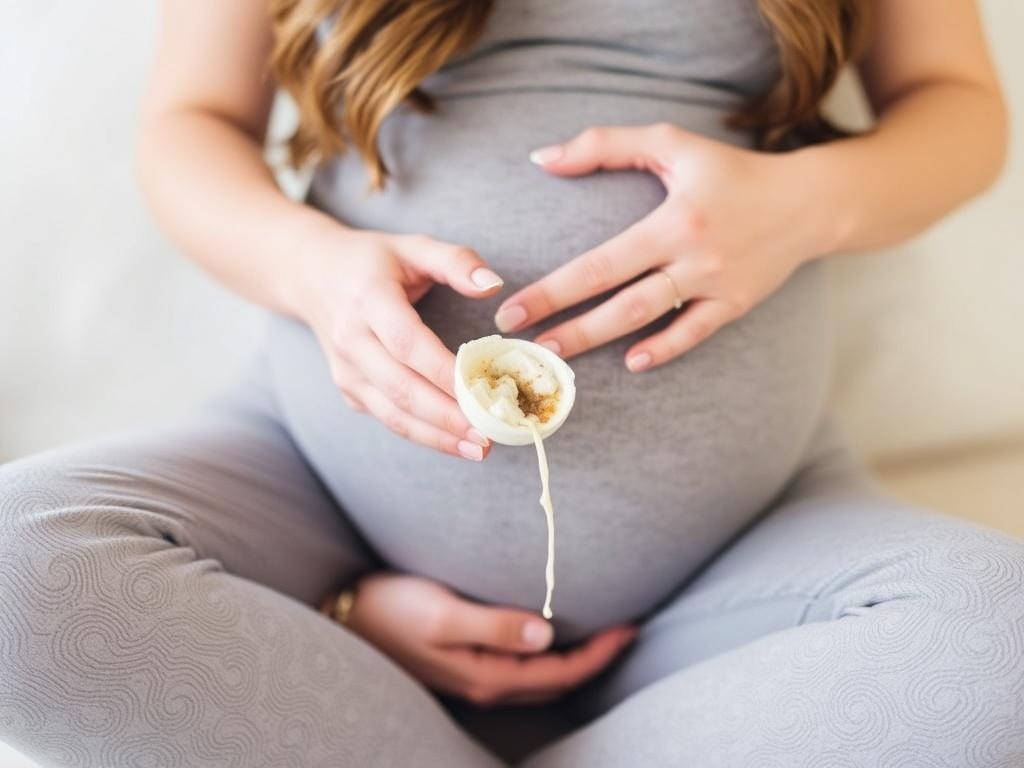
I remember a friend who, single-handedly, became the neighborhood authority on pickled mangoes during her first pregnancy; she insisted the tang cut through her morning nausea and made otherwise bland meals edible. She kept jars at home and stashed strips in her bag, and her midwife reassured her that this harmless fix was fine so long as she balanced meals with protein and greens.
In my own experience, a colleague developed an intense longing for oranges and citrus from week nine onward. The bright acidity helped with an ongoing metallic taste in her mouth and made it easier to eat when nausea was strong. Simple adaptations — orange slices with a spoonful of Greek yogurt or freshly squeezed juice diluted with water — made cravings manageable and nutritious.
Research gaps and promising directions
Despite widespread interest, the science of pregnancy cravings still contains gaps. Large-scale, longitudinal studies that combine hormonal measures, nutrient assays, sensory testing, and cultural surveys would help clarify causation. Current evidence is fragmentary: plausible mechanisms exist, but no single model accounts for the variety and unpredictability of cravings.
Emerging areas of research include the role of the gut microbiome in signaling cravings and how genetic differences shape taste receptor sensitivity during pregnancy. Better understanding individual variability could lead to personalized nutrition advice that anticipates likely changes and offers tailored coping strategies.
Myths and misconceptions
Many popular explanations for cravings are oversimplified. The belief that every craving means a deficiency is one myth; another is that cravings predict the baby’s sex. These ideas persist because they offer tidy narratives, but they do not hold up under scientific scrutiny. Cravings are messy and multifactorial, defying easy storytelling.
Dispelling myths helps reduce guilt and unrealistic expectations. People deserve clear information that acknowledges unpredictability while offering practical ways to manage cravings safely and enjoyably.
Practical meal planning around cravings

Designing a flexible meal plan that anticipates cravings reduces stress and keeps nutrition strong. Start with a base of balanced meals that include protein, healthy fats, produce, and whole grains, then allow room for small, controlled indulgences that satisfy cravings without derailing overall intake. Routine is a surprisingly powerful ally.
For example, if evening sweets are common, plan a small dessert-sized portion as part of the meal to prevent late-night snacking. If salty cravings strike midafternoon, have a prepped crunchy snack ready to avoid vending-machine choices. These small habits change impulse into choice and preserve both pleasure and health.
Sample daily plan for balanced cravings management
Here is a simple structure that can be adapted to taste and cultural preferences. Portions and specifics should be personalized to caloric needs and any medical guidance.
- Breakfast: Oatmeal with fruit and a spoonful of nut butter for steady energy
- Mid-morning snack: Greek yogurt with a few dark chocolate chips or citrus slices
- Lunch: Protein-rich salad or grain bowl with vegetables and a light vinaigrette
- Afternoon snack: Roasted chickpeas or a small portion of pickled vegetables if sour is craved
- Dinner: Lean protein, roasted vegetables, and a comforting starch like sweet potato
- Optional dessert: A mindful serving of the craved item, paired with protein to slow absorption
Mindfulness and behavioral techniques
Mindfulness practices can reduce the power of cravings by separating the urge from action. Simple techniques — pausing for five minutes, noting the craving without judgment, and asking whether the desire stems from hunger, boredom, or emotion — often weaken the compulsion. Behavioral strategies like stimulus control (keeping certain foods out of the home) also reduce impulsive eating.
Combining mindfulness with small behavioral changes supports long-term habit shifts. These tools are gentle and nonjudgmental, suitable for the emotional complexity of pregnancy and respectful of the physical side of cravings.
When cravings lead to positive dietary changes
Cravings can sometimes be harnessed for good. A strong preference for fruit can increase fiber and vitamin C intake; a newfound love of plant-based meals may improve overall diet quality. Seeing cravings as opportunities rather than obstacles can reframe the experience and inspire creative meals that both satisfy and nourish.
Clinicians and dietitians can build on positive cravings by suggesting complementary foods that round out nutrition. Small wins — enjoying a favorite healthy snack during a rough week — add up to meaningful benefits for both mother and baby.
Takeaway practices for a smoother experience
Accept that cravings are normal and often transient. Keep nutritious staples available, plan for safe substitutes when cravings target risky foods, and consult a provider if cravings are extreme or accompany worrying symptoms. These simple practices reduce stress and support both immediate comfort and long-term health.
Remember that every pregnancy is different, and what worked for a friend or in a parenting forum may not fit your body or culture. Use general knowledge as a guide, not a rule, and prioritize safety, nourishment, and compassion for yourself during a time of remarkable physiological change.
Resources and where to look next
If you want more tailored guidance, speak with a prenatal care provider or registered dietitian who specializes in pregnancy. Reliable online resources include professional organizations in obstetrics and nutrition, which provide up-to-date, evidence-based recommendations on diet and food safety during pregnancy. Community prenatal classes and support groups can also normalize the experience and offer practical tips.
Cravings are a vivid, sometimes baffling part of the journey. With knowledge about the underlying mechanisms and a few practical strategies, they become easier to manage — and occasionally, to enjoy.

 Designing a safe and soothing nursery that grows with your child
 Get ready to feed: breastfeeding essentials before baby arrives
 When the first contractions arrive: how to recognize labor’s opening moves