
Bringing a baby into the world is an exhilarating, exhausting, and often messy process—and the first weeks afterward demand both tenderness and practical tools. The right supplies can change the tone of recovery from survival mode to manageable comfort, letting you focus on healing and bonding. This guide walks through well-tested items, why they matter, and how to use them so the small decisions feel easier when you’re running on little sleep.
What to expect in the first days after birth
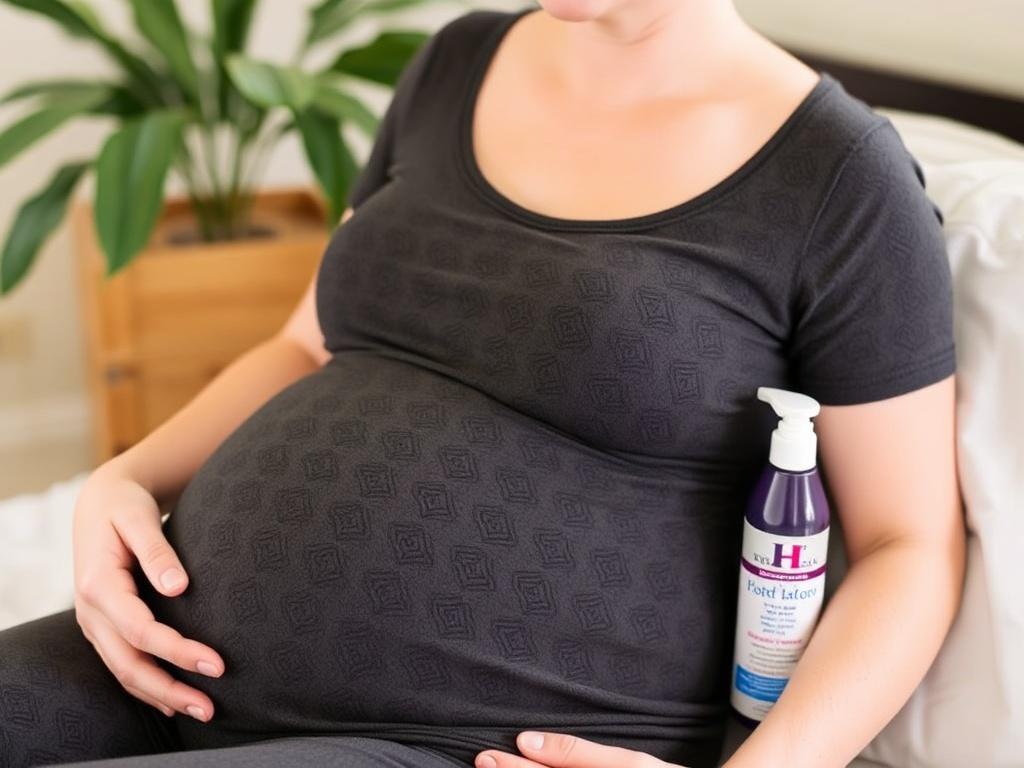
The immediate postpartum period is a mix of physical healing, fluctuating hormones, and unexpected needs. Bleeding, perineal soreness after vaginal birth, incision tenderness after cesarean, and breast changes with feeding are common and normal. Knowing the typical challenges helps you gather focused supplies instead of buying everything under the sun.
Your provider will give specific instructions about wound care and activity limits, but many comfort-focused items are useful regardless of delivery type. Packing these into a bedside drawer or a portable basket keeps essentials within reach for those fragmented periods of rest. Small conveniences often yield big emotional relief when you’re tired and in pain.
Perineal and wound care essentials
For vaginal births, soothing the perineal area is a priority. A peri bottle for gentle cleansing after bathroom visits reduces irritation and supports hygienic care without rubbing. Fill it with warm water and use gentle squirt-and-pat technique rather than wiping; repetitive wiping can delay healing and cause more pain.
Sitz baths—either a basin that fits over the toilet or a disposable sitz soak packet—use warm water to increase circulation and ease soreness. They’re especially helpful in the first week and after heavy bleeding, and they can be remarkably calming during painful flare-ups. If mobility is limited, a caregiver can assist with fills or warm water refills.
For C-section recovery, a silicone scar sheet or gentle hypoallergenic bandage over the incision can protect stitches and reduce friction from clothing. An abdominal binder provides support when standing, coughing, or walking and can make everyday movement less painful. Always check with your surgeon about when to use these and how long to continue.
Topical options like witch hazel pads or sprays and over-the-counter numbing foams can relieve hemorrhoid and perineal discomfort. Use products formulated for postpartum use—those without alcohol or strong fragrances—and stop any product that causes burning. Hemorrhoid pads that combine cooling and gentle astringents offer targeted relief after pushing and prolonged labor.
What I used and why it mattered
After my own vaginal delivery, the peri bottle and sitz baths were lifesavers; I could clean up discreetly without moving much or crying out in pain. A stack of soft, large hospital-style pads and loose underwear kept me comfortable while my body settled. Those small items helped me feel more human in a moment that could have felt purely medical.
Bleeding management: pads, underwear, and disposal
Postpartum bleeding (lochia) can be heavy and unpredictable for the first several days, so robust pads are indispensable. Look for high-absorbency postpartum pads—wider, longer, and more cushioned than regular menstrual pads—so you can nap or move without constant changing. Keep a supply in a bedside caddy and a few in your bathroom for quick access.
Disposable mesh underwear or high-waisted cotton briefs work well with heavy pads and maintain comfort while supporting slight swelling. Some parents prefer reusable postpartum underwear made of thick cotton; others like the convenience of disposables for the first week. Choose what lets you relax rather than fussing with laundry.
Designate a discreet disposal method: sealable bags or a small trash bin with liners keeps used pads contained. Some hospitals provide disposal instructions; if they don’t, lined bathroom waste with a tight lid and frequent emptying is a good plan. Comfortable management of this mess reduces anxiety and helps you rest.
Breast and nipple care for feeding and comfort
Whether you plan to breastfeed or bottle-feed, breasts change rapidly after birth. Nursing pads—disposable or washable—catch leaks and protect clothing. A few sizes of pads are helpful: thinner, discrete pads for light days and thicker pads for heavy leakage in the earliest days of engorgement.
Nipple cream with lanolin or plant-based alternatives alleviates soreness during the initial latching period. Apply a small amount after feedings and let it air-dry; many creams are safe for baby and don’t need to be wiped away. If cracking or severe pain occurs, seek help from a lactation consultant as infection or improper latch may be the cause.
A good electric breast pump can be transformative, even if you don’t plan exclusive pumping. Pumps let you relieve engorgement, establish supply, and share feeding with a partner. Choose a pump suited to your needs—hospital-grade models for frequent use, or a reliable personal electric pump for occasional expression. Keep extra parts and bottles clean and accessible.
Breastfeeding comfort kit
-
Nipple cream (lanolin or medical-grade balm)
-
Disposable or washable nursing pads
-
Hydrogel pads for severely cracked nipples
-
Comfortable nursing bras and sleep tanks (see clothing section)
Pain relief and medications
Pain control matters because it affects mobility, sleep, and your ability to care for your baby. Over-the-counter options such as acetaminophen and ibuprofen are commonly recommended; both can reduce pain and inflammation without impacting milk supply when taken as directed. Confirm dosing with your provider, especially if you have other health issues or are taking prescription medications.
For more intense pain after cesarean or complicated vaginal delivery, prescription pain medications may be provided for short-term use. Plan to fill prescriptions immediately after discharge so you are not left waiting in pain. Rely on non-opioid measures like ice packs, abdominal binders, and deep breathing to complement medication and reduce overall need.
Stool softeners and gentle laxatives are a practical recommendation many providers make to prevent straining. Constipation is common and uncomfortable after birth, particularly if you had stitches or a C-section. Stool softeners with docusate sodium can make bowel movements easier without harsh stimulants that could cause cramping.
Pelvic floor rehabilitation and supports
The pelvic floor undergoes rapid stress during pregnancy and delivery. Gentle pelvic floor exercises (Kegels) help restore strength and coordination, reducing leaking and improving core function. Start with short, frequent contractions—think of gentle holds rather than forceful squeezes—and increase duration gradually as comfort allows.
For some people, guided pelvic floor therapy with a physical therapist experienced in postpartum recovery is invaluable. Therapists can use biofeedback, internal assessment, and manual techniques that you can’t replicate on your own. If you experience pain during sex, persistent leaking, or a heavy or bulging sensation, seek referral to pelvic floor therapy rather than waiting.
Pelvic floor trainers—devices that offer guided exercises via an app—can be motivating for some people, but select medically-reviewed products and pair use with professional guidance when possible. These tools are supplementary and work best with a therapist’s input if you have significant weakness or pain.
Comfort and clothing: what to wear for healing
Comfortable clothing is healing medicine. High-waisted, soft underwear avoids covering a C-section incision, while nursing-friendly robes and loose tops allow easy breastfeeding access without wrestling with fabric. Avoid tight waistbands and low-rise styles that press on tender areas.
Nursing bras with simple clips and adjustable straps make nighttime feeds less cumbersome. Invest in two to three bras—one you sleep in, one you wear daily, and one spare. Soft, wire-free styles are often best during the first weeks when breasts are changing rapidly in size.
An elastic belly band or postpartum girdle provides gentle compression and can ease the sensation of looseness in the abdomen after pregnancy. It’s mainly for comfort and support rather than dramatic reshaping; use it for short periods and avoid constant compression, especially when breastfeeding or sleeping. Discuss with your provider if you had a C-section before applying firm compression over the scar.
Nutrition, hydration, and supplements for recovery
Recovery is energy-intensive. Nutrient-dense foods, adequate protein, and steady hydration support wound healing, immune function, and milk production. Keep easy-to-grab snacks—nuts, yogurt, whole-grain crackers, pre-cut fruit—and a large, insulated water bottle at your bedside to minimize interruptions when feeding or soothing your baby.
Many providers recommend continuing prenatal vitamins for several months postpartum, especially if breastfeeding, to ensure adequate folate and other micronutrients. Iron supplementation may be advised if you experienced substantial blood loss or a diagnosed anemia. Discuss lab testing and tailored supplementation with your provider to avoid unnecessary or excessive doses.
Probiotic-rich foods and gentle fiber supplements can help normalize digestion after antibiotics or disrupted diets. A balanced approach—whole foods, small frequent meals, and a focus on lean protein and vegetables—supports steady energy and better mood regulation. Food is one of the few recovery tools you control easily.
Sleep, rest, and practical conveniences
Sleep will be fragmented, but small strategies help. A bedside bassinet or co-sleeper reduces the time spent standing up for nighttime feeds and makes it safer to feed while drowsy. Baby-wearing can allow short naps while keeping baby close—but prioritize safe sleep guidelines and avoid falling asleep sitting up with baby in a carrier unless supervised.
Blackout shades, a supportive pillow to prop your back or feed comfortably, and a dim nightlight all make night feedings more restorative. Let visitors know that your highest priority is rest; a clear boundary often helps people accept a quiet house. If someone offers to help, accept concrete tasks like dishwashing, meal preparation, or laundry rather than vague offers.
Practical conveniences—snack trays, a tall water bottle with a straw, a phone stand for video calls, and a basket of essentials—reduce the friction of moving around. Time saved on small tasks equals more rest and faster recovery, so don’t hesitate to use tools or accept help from family and friends.
Emotional health and community supports
Emotional recovery is as real as physical healing. Many people experience baby blues, anxiety, or more serious postpartum mood disorders. Early screening and supportive counseling are effective; reach out to your healthcare provider for mental health referrals if you notice persistent sadness, intrusive thoughts, or difficulty functioning. You’re not alone, and early help speeds recovery.
Peer support groups, lactation consultants, and postpartum doulas offer practical and emotional assistance tailored to new parents. Local parenting groups, online communities, and hospital-run postpartum classes can connect you to people who understand what you’re going through. Accepting company, meals, or hands-on baby care from those you trust can relieve isolation and provide a safety net.
Simple tools—journals, a meditation app, or scheduled short walks—help regulate mood and give a sense of agency. Small routines centered on self-care, even ten minutes of quiet breathing, can prevent overwhelm. Ask for help early; recovery is a team effort rather than a solo endurance test.
Practical items that make day-to-day life easier
Beyond medical supplies, seemingly small items can make daily life smoother. A hands-free bottle holder or nursing pillow supports feeding positions without straining your shoulders. Burp cloths, a diaper caddy for every main room, and a compact baby monitor make small interactions less frantic and more organized.
Meal delivery, pre-prepared freezer meals, and a slow cooker stocked before birth save countless minutes and decisions when you’re weary. Arrange grocery deliveries or a shared calendar for meal drops so you aren’t running to the store in the first week. Planning ahead for basic household needs is a kindness to your future self.
For parents returning to work or navigating early appointments, a portable pumping kit, insulated cooler for expressed milk, and labeled storage supplies maintain supply and simplify outings. Labeling kits and keeping extras in your car or diaper bag prevents panic when schedules shift unexpectedly.
Hygiene and infection prevention
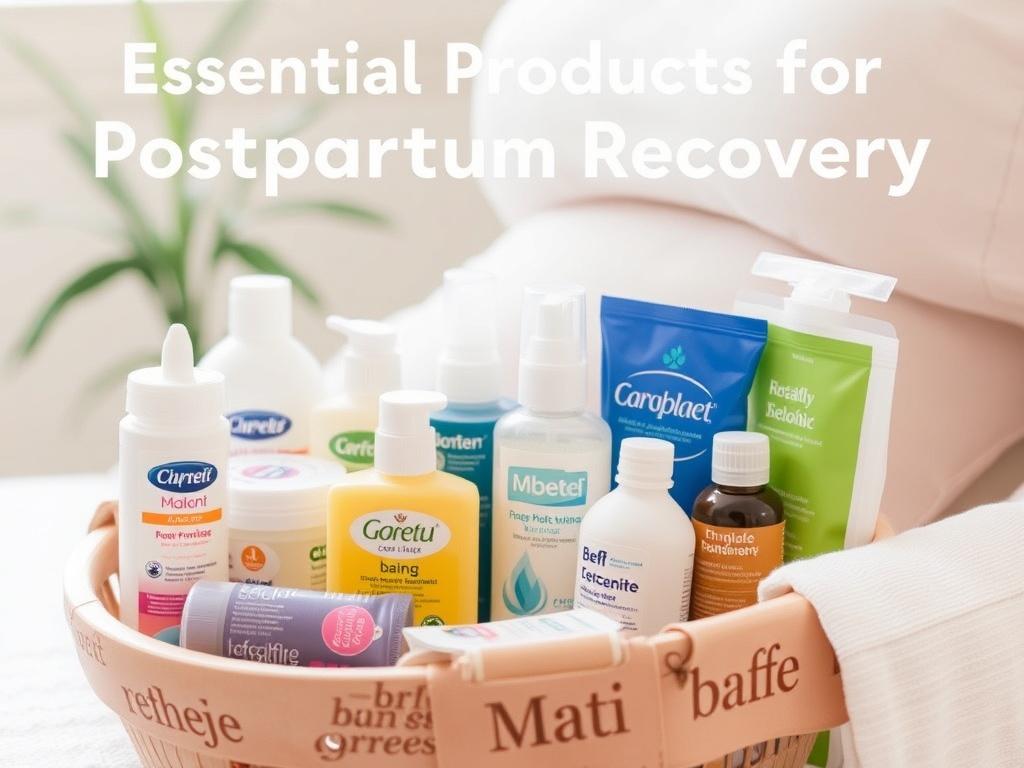
Hygiene reduces the risk of infection but should be gentle and unaggressive. Frequent hand-washing before feeds and after diaper changes protects both you and your baby. Use mild, fragrance-free soaps on sensitive areas and around incisions to avoid irritation.
Hand sanitizer is convenient when hand-washing isn’t immediately available, and disinfectant wipes for high-touch surfaces, phone screens, and pump parts are helpful. Always follow manufacturer guidance for sterilizing pump parts and baby bottles to avoid damage and ensure safety. If you have a C-section, monitor the incision site for signs of infection—redness, spreading warmth, or drainage—and report concerns promptly.
Avoid douching or harsh vaginal cleansers; your body cleans naturally after birth. If you’re uncertain about discharge or odor changes, contact your provider for guidance rather than trying aggressive at-home treatments that could worsen the situation.
Gear for mobility and safety
0
Crutches or a cane aren’t typical, but adaptive gear like a stable bedside chair with armrests can make sitting and standing more manageable. A slip-resistant bath mat and a shower chair are practical for those who need shorter showers while balancing healing and caregiving. Safety is comfort when movement is painful or unsteady.
If you have other children, consider planning how to manage stairs, car seats, and quick lifts for the first couple weeks. Have a helper show you the easiest way to get a car seat in and out without straining your incision or perineum. Thoughtful planning reduces risky movements that delay recovery.
When to seek medical help
Some signs require prompt attention: fever over 100.4°F, heavy bleeding that soaks more than one pad per hour, worsening incision pain with redness or discharge, severe headaches, or sudden dizziness. These symptoms can indicate infection, hemorrhage, or other complications that benefit from timely medical evaluation. Keep your provider’s contact information by your phone and write down any new symptoms.
Breast issues such as a red, hot area on the breast, flu-like symptoms with breastfeeding pain, or a hard, painful lump that doesn’t improve warrant a call to your lactation consultant or provider. Early treatment of mastitis or blocked ducts can prevent hospital visits and severe discomfort. Trust your instincts—if something feels wrong, it probably deserves attention.
Packing your hospital bag: a simple postpartum checklist
Many people think of the baby’s needs first, but adding postpartum comfort items to your hospital bag makes the first days in the hospital far more tolerable. Pack a small basket with perineal care items, comfortable clothing, and chargers for your electronics. If you’re delivering during cold weather, add extra socks and a warm blanket.
|
Item |
Why it helps |
|---|---|
|
Peri bottle |
Gentle cleansing and reduced pain after bathroom visits |
|
High-absorbency postpartum pads |
Handles heavy bleeding and promotes restful recovery |
|
Comfy, loose clothing and nursing bra |
Easy breastfeeding access and comfort for swollen breasts |
|
Disposable underwear or mesh underwear |
Convenient and comfortable with heavy pads |
|
Phone charger and toiletries |
Comfort and connection—small things that reduce stress |
Choosing products that match your priorities
Select items based on what matters to you: eco-friendly, budget, convenience, or medical-grade. For example, reusable nursing pads are sustainable but require laundering, while disposable pads are convenient but produce waste. Balance your environmental values with the realistic time and energy you’ll have during recovery.
Read reviews from people with similar birth experiences—those who had a C-section versus vaginal birth—and prioritize items that match your situation. Medical-grade supplies are worth the investment if your provider recommends them, but many affordable options provide good comfort and functionality for the majority of parents.
When in doubt, choose breathable fabrics and fragrance-free products to minimize irritation. Simple, well-made tools that address a single problem often outlast bags of trendy gadgets that claim to cure everything. The goal is fewer painful moments, not more products to manage.
Budget-friendly choices and where to splurge
You don’t need to buy every new product marketed to new parents. Focus spending on items that directly affect comfort and healing: a reliable peri bottle, high-absorbency pads, a supportive nursing bra, and a good pump if you plan to express. These purchases often have the most immediate impact on day-to-day wellbeing.
Save money by borrowing or buying secondhand items that are safe to reuse—like a hands-free pumping bra or a postpartum girdle—while avoiding sharable hygienic items such as nipple shields or breast pump parts unless they’re sterilized and designed for reuse. Community groups and local parent exchanges are great resources for lightly used gear.
Allocate splurge budget to things that return big comfort dividends: a high-quality breast pump if you rely on pumping, professional postpartum doula or lactation consultant hours, or a third-trimester prenatal massage to prepare your body. These services often reduce stress and accelerate recovery more than another gadget will.
Real-life logistics: setting up your recovery station
Create a single “recovery station” in the room where you’ll spend most of your time. Stock it with a water bottle, snacks, peri bottle, pads, nipple cream, phone charger, a small trash bin, and a few baby items like a burp cloth and extra onesie. Having everything within arm’s reach saves energy and reduces the temptation to get up unnecessarily.
Label containers or keep like items grouped in a basket so tired partners or visitors can find things quickly. A small whiteboard with feeding times, medications, and any special instructions helps caregivers coordinate care while your memory is foggy. Systems reduce stress when you’re operating on low reserves.
Ask a partner or helper to manage laundry and meal prep in the early weeks so you can focus on healing and baby care. Delegation is not weakness—it’s strategy. Planning for this support before you go into labor prevents last-minute scrambling and lets you rest sooner.
Postpartum resources and professional help
Compile a short list of resources before delivery: your provider’s postpartum contact, a lactation consultant, a local postpartum therapist, and emergency numbers. Keep these in a visible spot and programmed into your phone for quick access. A streamlined communications plan removes a significant layer of stress if issues arise.
Look into community resources like breastfeeding support groups, nonprofit postpartum home visiting programs, and local parenting classes. Many organizations offer sliding-scale fees or free services for new parents, and early connections can prevent problems from escalating. Peer support is practical and emotionally validating.
If finances or transportation are barriers, ask your provider about telehealth options for lactation consulting or mental health support. Virtual visits can be surprisingly effective for assessment, education, and troubleshooting, especially when leaving home feels difficult or risky.
Planning for later stages of recovery
Recovery doesn’t end at two weeks; muscles, hormones, and mood can take months to recalibrate. Consider long-term supports such as pelvic floor therapy, continued counseling if you had postpartum mood challenges, and a realistic timeline for returning to exercise. Gentle core and pelvic floor work should start when cleared, progressing slowly under guidance.
Reassess your needs at six weeks, and again at three months. Your priorities may shift from pain control to rebuilding stamina and managing sleep deprivation. Keep items like supportive shoes, an exercise or PT plan, and a calendar of follow-up medical appointments to track progress and ensure you’re not neglecting ongoing recovery needs.
Reconnect with activities that restore your sense of self—reading, a hobby, or short social outings—when you’re ready. Recovery includes reclaiming parts of life beyond parenting and physical healing, and small, achievable steps toward those goals make a big difference over time.
Final practical tips for smoother healing
Label everything: bottles, freezer bags, pump parts, and containers so helpers can assist without guesswork. Keep a small notebook or notes app to capture feeding times, medications, symptoms, and questions for your provider; this saves memory strain and makes appointments more productive. Clear communication with your care team shortens the path from problem to solution.
Accept imperfection. Homes and routines will be a little messier for a while, and that’s okay. Prioritize healing and bonding: laundry, dishes, and social expectations can wait. The goal is sustainable recovery, and that means being pragmatic about what must be done and what can be postponed.
If you can, schedule a postpartum check-in with your partner or support person about the household plan, visitors, and division of responsibilities. A single 15-minute conversation can cut weeks of misaligned expectations and create space for rest. Recovery is an act of teamwork, and clear plans help everyone show up in the ways that matter most.
Healing after birth is a process shaped by compassion, planning, and realistic expectations. Thoughtful choices—prioritizing comfort, hygiene, nutrition, and emotional support—make the early weeks less chaotic and more humane. Gather a few high-quality essentials, accept help, and be gentle with the pace of recovery; your needs matter as much as your newborn’s.

 Finding calm and strength during pregnancy: the benefits of prenatal yoga and meditation
 Navigating maternity leave and work rights: what new parents need to know
 How to help your child welcome a new sibling
 The science behind pregnancy cravings: why your body is suddenly fixated on pickles