
Pregnancy rearranges more than your schedule; it rearranges your wardrobe, your priorities, and sometimes your sense of what feels like “you.” This guide walks through fabric choices, essential pieces, smart shopping, and styling ideas so your clothes support comfort, confidence, and the life changes ahead. Read it like a conversation with a friend who’s tried it, returned things three times, and learned how to make a closet work through pregnancy and beyond.
Why maternity clothing matters beyond the bump
Pregnancy is not a short-lived fashion experiment; it’s a period of rapid physical and emotional adjustment when what you wear can affect mood and mobility. The right garments relieve pressure, prevent chafing, and help maintain posture, which can make daily life easier when aches and fatigue are present. Clothing that fits well also helps you feel more like yourself, which matters when everything else feels out of control.
Many people assume maternity clothes are just “bigger” versions of everyday items, but thoughtful design makes a difference. Features like empire waists, side ruching, high-rise panels, and adjustable straps provide support and room without sacrificing style. Investing in a few well-chosen pieces can reduce daily stress and save money overall by avoiding repeated purchases.
How your body changes by trimester
Understanding the timeline of physical change helps you buy strategically. The first trimester often involves bloating and breast tenderness rather than a pronounced bump, so stretchy tops and soft-waist bottoms can be lifesavers long before you need dedicated maternity wear. Planning with flexible clothing avoids wasted money on pieces you won’t wear until later.
The second trimester is when many people begin to show and want clothes that accommodate a growing belly—this is an ideal time for maternity jeans, wrap dresses, and supportive bras. During these months energy often returns, so having flattering, breathable options allows you to remain active and social without discomfort.
The third trimester is often about maximum comfort and ease of movement, with the belly taking center stage and common complaints like back pain and swelling increasing. Adjustable and loose silhouettes, supportive undergarments, and shoes with good arch support become priorities as mobility and circulation concerns rise.
Trimester shopping timeline
- Weeks 1–12: Buy stretchy basics (tank tops, leggings) and an adjustable bra; hold off on heavy purchases.
- Weeks 13–26: Add maternity jeans, a couple of dresses, and a structured coat or cardigan for layering.
- Weeks 27–40: Prioritize comfort: slip-on shoes, loose tops, and a few nursing-friendly items for postpartum transition.
Following a trimester-aware timeline prevents impulse buys and ensures you have the right items when you need them. It also reduces closet clutter by focusing on multipurpose pieces that adapt as your body changes.
Building a trimester-proof wardrobe
A trimester-proof wardrobe centers on adaptable pieces: items that grow with you and serve multiple purposes through pregnancy and into postpartum. Think wrap dresses that adjust with your waistline, cardigans that layer easily, and leggings with supportive panels rather than rigid waistbands. These choices stretch your investment and reduce the need to replace clothing frequently.
Layering matters more than ever because temperature regulation shifts during pregnancy. Loose outer layers paired with breathable inner pieces give you control when hot flashes or chills arrive without forcing a full outfit change. Accessories such as scarves and lightweight jackets extend options without much bulk.
Prioritize neutral base pieces that coordinate easily, and add color or pattern with smaller items like tops, scarves, or nursing-friendly camisoles. Creating a core capsule with versatile items keeps dressing simple and stylish even on low-energy days, and it makes mixing and matching effortless when you need quick outfits.
Essential pieces to buy and why
Not every item on a “must-have” list is required, but certain pieces make pregnancy significantly more comfortable. A handful of essentials covers most needs and allows for personal style choices around them. The list below focuses on practical, wearable items that adapt across trimesters.
- Maternity leggings with a supportive panel or over-the-bump band
- A couple of pairs of maternity jeans or pants with adjustable waists
- Wrap dresses and shift dresses that allow growth and nursing access
- Nursing bras and comfortable everyday bras sized for growth
- A supportive maternity bra or bralette with wide straps
- Easy-on shoes with good arch support and low heels
- A lightweight coat or roomy cardigan suitable for layering
- Comfortable underwear and a belly band for extra support if needed
These pieces create a foundation you can dress up or down. For example, swapping a cardigan for a blazer and adding jewelry will carry you from casual to professional without needing a separate maternity wardrobe for every occasion.
Understanding fabrics and fit
Fabric choice is as important as cut. Breathable, stretchy materials reduce irritation and allow better temperature regulation. Natural fibers like cotton and linen breathe well, while blends with modal or a small percentage of spandex provide recovery and stretch without losing shape.
Fit is about support more than tightness. Maternity garments often include built-in panels or strategically placed seams that cradle rather than compress. Aim for pieces that follow your natural silhouette with enough ease at the belly to prevent pinching or pressure. If in doubt, sizing up rather than squeezing into a smaller size will feel better and photograph more flattering.
| Fabric | Benefits | Considerations |
|---|---|---|
| Cotton | Breathable, soft, easy to launder | Can wrinkle; less stretchy unless blended |
| Modal/Viscose | Soft, drapey, resists pilling | May stretch over time; check blend percentage |
| Jersey/Knits | Stretchy and forgiving; comfortable for tops and dresses | Can lose shape if low-quality |
| Spandex/Elastane mixes | Provides stretch and shape retention | Avoid high percentages that trap heat |
| Linen | Breathable and cool, great for summer | Wrinkles easily, often needs layering |
When choosing fabrics, consider your climate and how often you’ll be washing. Machine-washable items with good breathability often work best for everyday wear, while a small number of specialty fabrics (like silk) can serve as occasion pieces.
Sizing, fit checks, and shopping tips
Sizing in maternity clothing varies between brands, so one size doesn’t translate across labels. Use your pre-pregnancy size as a starting point and rely on measurements for bust, hips, and waist rather than a single size number. Online reviews and brand size charts are invaluable—look for shoppers with a similar body type or stage of pregnancy.
When trying things on, check these fit points: the band at the top of pants should be supportive yet not restrictive; tops should allow movement without riding up; and dresses should accommodate both belly and bust comfortably. Take a few minutes to sit, walk, and lift your arms while wearing items to ensure they feel good in everyday activities.
Timing your purchases helps balance economy and necessity. Buy basics early, look for maternity-specific bottoms by the second trimester, and wait until the third trimester to invest in very large-sized garments unless you hate being uncomfortable. Many people find shopping sales and secondhand shops for occasional pieces reduces cost.
Nursing-friendly and postpartum clothing
If you plan to breastfeed, look for clothes designed for easy access: wrap tops, button-front shirts, concealed zippers, and nursing tank tops are all useful. Even if you don’t plan to nurse, these designs offer convenience and versatility for postpartum body changes, including fluctuating breast size and healing processes. A couple of nursing-friendly dresses or tops can double as both maternity and early postpartum wear.
Postpartum bodies change unpredictably, so soft waistbands and elastic closures are helpful. High-rise supportive underwear and gentle compression garments can provide comfort and support in the early weeks, but avoid anything painfully tight. Prioritize garments that can be layered and adjusted as your body settles.
Don’t forget practical pieces for the hospital and early days at home: loose button-front nightgowns, front-opening bras, nursing pads, and easy-to-remove slippers are small purchases that deliver big comfort. Pack several easy-to-wash tops so you’re not doing laundry constantly while recovering and feeding.
Work, formal, and special-occasion maternity looks
Dressing professionally during pregnancy need not mean sacrificing comfort. Look for structured dresses with stretch, maternity blazers with enough room for a bump, and skirt or pant styles that sit comfortably at the hips with adjustable or over-the-bump bands. A few versatile separates create many combinations for meetings and events without adding bulk to your closet.
For formal events, a tailored wrap dress or an A-line maxi with strategic ruching can flatter a changing figure and photograph well. Consider renting a special-occasion piece if you’ll only wear it once; rentals offer designer options without the long-term cost. Accessories—statement jewelry, a polished bag, and an elegant shoe—can elevate a simple base dress into something celebratory.
If your workplace has a strict dress code, communicate early about comfort needs and potential accommodations, such as more frequent breaks or a supportive chair. Many employers are willing to adapt duties or provide ergonomic seating to support health and productivity during pregnancy.
Activewear, sleepwear, and movement-friendly pieces
Staying active during pregnancy supports mood and circulation, and the right activewear makes it feasible. Seek leggings with wide, supportive panels and tops with moisture-wicking fabrics that accommodate changing bust sizes. Sports bras with adjustable straps and a strong band are essential for low- to medium-impact activities, and they retain use after pregnancy as well.
Sleepwear should prioritize breathability and easy access for night nursing in the postpartum period. Jersey nightgowns, front-opening sleep shirts, and nursing pajamas help with comfort and will be useful long after birth. Comfortable loungewear—soft joggers and oversized knit tops—can be lifesavers during the third trimester and early recovery weeks.
Lightweight compression socks or supportive hosiery can help with swelling on long days or flights, and slip-on shoes reduce bending and risk when mobility is limited. Always test new shoes for fit and comfort before wearing them for long stretches, as swelling can change foot size temporarily.
Shoes, belts, shapewear, and accessories
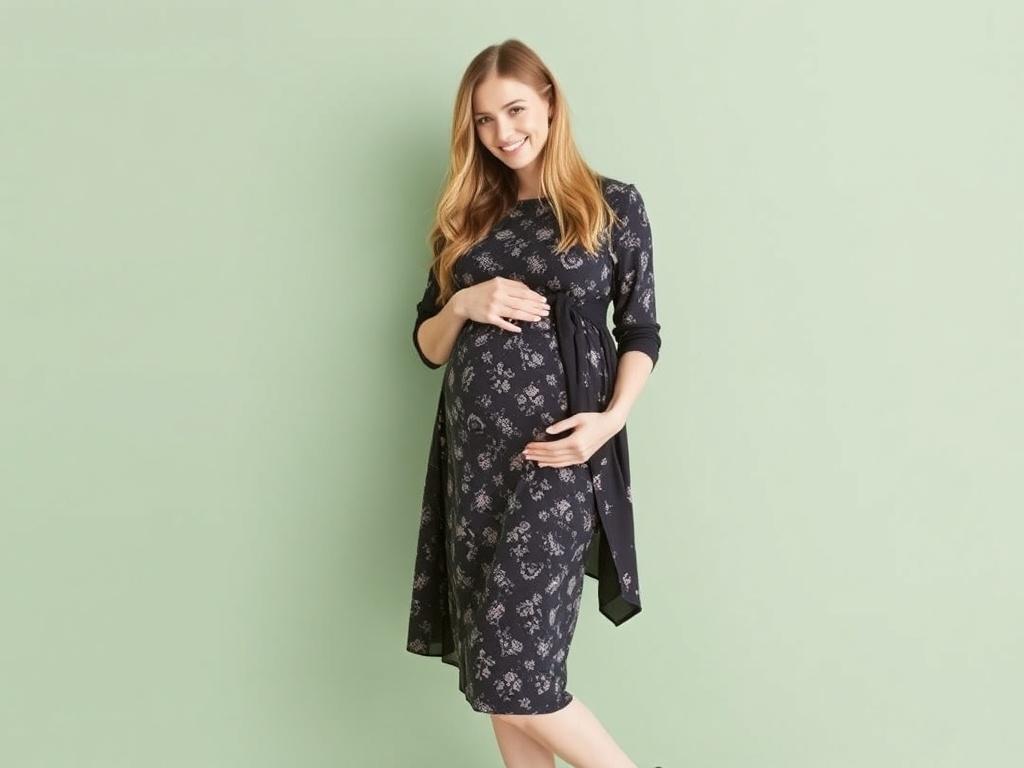
Feet often swell during pregnancy, so select shoes with some room in the toe box and consider half sizes or adjustable closures. Low, supportive heels and cushioned flats are both stylish and practical. Avoid lifting heavy items or balancing in shoes that require significant ankle stability during later months.
Belts can be adapted to fit over a bump and help define shape in loose dresses or add waist interest to tunics. Belly bands and light support belts offer temporary relief for low back pain or pelvic pressure, but use them sparingly and consult a provider if pain persists. Choose breathable materials to avoid heat discomfort.
Small accessories—long necklaces, statement earrings, patterned scarves—add personality without constricting. Invest in a hands-free bag or crossbody for practical daily use, and consider a supportive maternity carrier or backpack with padded straps for the later months when distributing weight becomes necessary.
Budget strategies, alterations, and secondhand finds
Maternity clothes are an investment, but there are smart strategies to keep costs down. Shop sales and off-season discounts for durable pieces like coats or high-quality jeans. Use basic, adaptable items from your pre-pregnancy wardrobe in combination with a few maternity-specific pieces to extend usability.
Alterations can extend the life of regular clothes—letting out side seams, adding panels to waistbands, or shortening hems are inexpensive compared to buying new. A tailor can convert a favorite skirt or pair of pants into comfortable maternity wear with a fabric insert or adjustable waistband. Keep receipts and ask tailors experienced with maternity alterations when possible.
Secondhand shopping is fertile ground for maternity wear: many items are lightly used and designed for short-term wear. Look for reputable consignment shops, local parenting groups, and online marketplaces. Check seams and elasticity when buying used, and wash items thoroughly before wearing for both comfort and hygiene.
Care, laundering, and prolonging garment life
Follow care labels to keep fabrics in good shape; machine-washable items are practical for daily pregnancy life, but delicate pieces may benefit from gentle cycles or hand washing. Avoid high heat when drying stretchy fabrics, as heat can break down elastic fibers and reduce garment lifespan. Air-drying often preserves shape and color.
Rotate garments to prevent wearing out favorite pieces too quickly, and mend small issues like loose seams or popped buttons promptly to avoid more costly repairs later. Use lingerie bags for delicate items and avoid overcrowding the washer, which strains fibers and accelerates pilling and wear. Proper care extends both maternity-specific and regular clothing through postpartum and beyond.
Packing the hospital bag and the first-week wardrobe
Pack an easy-to-wear hospital outfit: a button-front nightgown or a loose top with comfortable pants, supportive underwear, and a cardigan you can remove easily. Include toiletries, a few nursing bras, breast pads, and slippers or slip-on shoes. Bring a going-home outfit with a forgiving waist and a lightweight coat for variable temperatures.
Postpartum comfort is key during the early weeks at home. Soft, front-opening clothing, nursing-friendly tops, and loose pants with elastic waists reduce hassle during feeding and recovery. Plan for extra layers and breathable fabrics, since hormonal shifts can bring intense temperature fluctuations in the days after birth.
Don’t forget small practical items: a few disposable or dark-colored underwear, pads for postpartum bleeding, and a hands-free pumping bra if you plan to pump. Having these essentials on hand lifts small burdens and allows you to focus on recovery and bonding.
Styling tips and outfit formulas for busy days
Create a handful of reliable outfit formulas that take the guesswork out of dressing: leggings + long tunic + cardigan; wrap dress + low heel; maternity jeans + simple tee + blazer. These repeatable combinations make decision-making fast and ensure you look put together even on tired days. Keep favorite jewelry and a single go-to bag to streamline the process.
Use prints and vertical lines to create balance; V-necks and long necklaces lengthen the torso visually, while empire cuts highlight the smallest part of your waist. Play with texture and color in accessories to refresh outfits without requiring new base garments. A patterned scarf or bold shoe can lift a neutral capsule instantly.
Experiment with proportion. An oversized cardigan over a fitted maternity tank can create a flattering silhouette, and midi-length dresses pair beautifully with ankle boots or supportive flats. Don’t shy away from belts over a bump-friendly dress—placed above the belly, they can define your shape and feel intentional.
Common mistakes and simple fixes
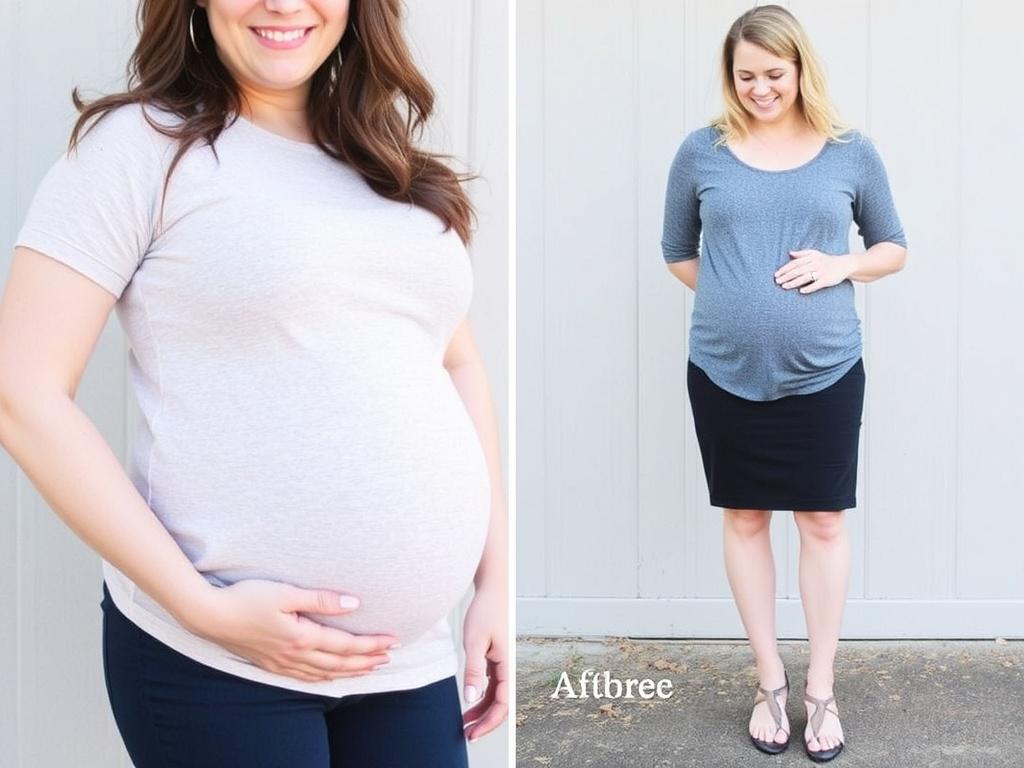
A frequent mistake is buying too many specialty pieces early on; instead, invest in versatile items and wait for the third trimester to decide on very large-size garments. Holding off avoids clutter and saves money for pieces you truly need. Renting or borrowing for one-off events is a practical workaround when you only need something for a short time.
Avoid squeezing into the largest size because it feels “safe.” Oversized clothes can be unflattering and cumbersome; choose garments that drape well and that can be adjusted to fit. Try belts, ties, or tailoring to create a more intentional look instead of lost-in-clothes silhouettes.
Another oversight is ignoring support—poorly designed bras or unsupportive shoes can cause pain that overshadows style. Prioritize structural support in undergarments and footwear from early on; the benefits in comfort and mobility are worth the investment.
Real-life examples and personal experience
I remember the week my bump became obvious at work: I had one pair of trusty leggings and a cardigan, and I felt liberated by the simplicity of that outfit. Later, after trying several styles and returning many items, I realized that a few well-made dresses and a solid pair of stretchy jeans made mornings easier and cut decision fatigue in half. Those small wins felt surprisingly emotional—like reclaiming a bit of control.
A friend of mine swore by borrowing formal wear for a wedding and renting a coat for the winter months; she saved enough to buy a higher-quality maternity coat later. Another colleague found that tailoring two pairs of pre-pregnancy trousers with a side panel insert gave her a professional look without the cost of multiple new suits. These pragmatic solutions kept closets manageable and budgets intact.
Every body is different, and what felt comfortable for me—light compression and a belly band in the third trimester—was uncomfortable for someone else. Test things early, return quickly if they don’t work, and trust your comfort as a reliable guide. Real-life tweaks like these are where theory meets daily life.
Resources, sizing charts, and where to shop
Specialty maternity retailers, mainstream brands with maternity lines, and secondhand markets each offer different advantages. Specialty shops often provide a wider range of maternity-specific cuts and fabrics; mainstream brands can deliver fashionable options at varying price points, and secondhand sources maximize value while reducing waste. Explore several channels to see what fits your style and budget.
Size charts vary widely, so carry measurements when shopping in-store and consult brand charts online. Measure bust, hips, and the fullest part of the belly, and compare to size guides rather than guessing from pre-pregnancy sizes. When shopping online, read reviews from people at similar pregnancy stages to get a clearer sense of fit and stretch.
Helpful resources include community groups where parents swap clothes and advice, reputable maternity blogs with fit reviews, and local consignment stores that specialize in baby and maternity items. These networks often reveal practical tips and hidden gems that a single catalog won’t provide.
Making your wardrobe work for you
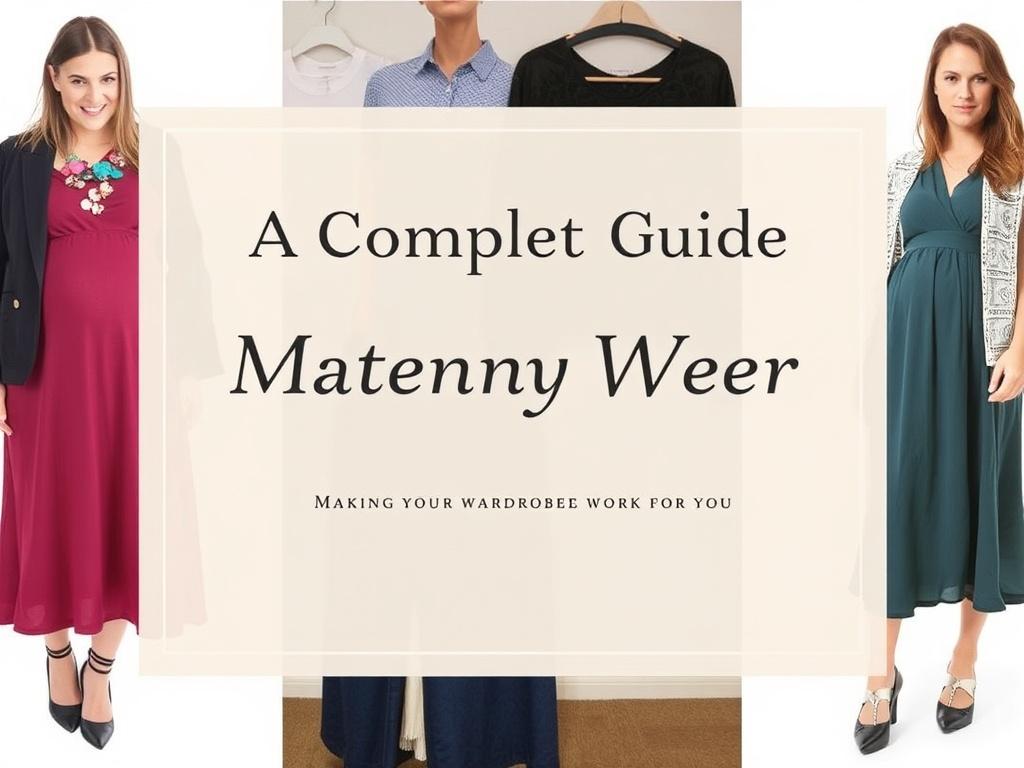
Pregnancy is short on patience and long on changes, so choose clothing strategies that reduce friction and boost comfort. Keep a simple capsule with reliable pieces, prioritize breathable fabrics and supportive undergarments, and lean on layering to handle unpredictable temperatures. These small rules keep dressing less like a chore and more like self-care.
Style during pregnancy is about expressing yourself while honoring your body’s needs. Allow room for experimentation—maybe a bright dress you wouldn’t have worn before, or a new silhouette that surprises you by feeling great. Most of all, be kind to yourself: comfort and confidence are both worth cultivating one outfit at a time.

 Dealing with morning sickness: natural remedies
 Bonding with your baby before birth: gentle ways to begin now
 Essential products for postpartum recovery that actually help
 Finding calm and strength during pregnancy: the benefits of prenatal yoga and meditation