
Pregnancy changes more than your body; it rearranges daily life, future plans, and the way you feel about yourself. The emotional swings can be startling—joy one minute, worry the next—and many people describe this experience as a ride that feels both exhilarating and frightening. The Emotional Rollercoaster: Mental Health in Pregnancy is about those highs and lows, but also about practical steps, support, and how to tell when normal fluctuation crosses into something that needs help.
Why pregnancy can feel like a rollercoaster
At a biological level, pregnancy triggers dramatic changes in hormones, immune function, sleep architecture, and brain chemistry. These shifts are essential for supporting a growing fetus, but they also interact with mood regulation systems in ways that can amplify anxiety or dampen resilience.
Beyond biology, pregnancy arrives inside a life already full of context—work demands, relationships, finances, housing, and past emotional history. The same event can cause wildly different responses depending on whether a person feels supported, safe, or secure in their role as a parent.
Hormones, brain, and body
Estrogen and progesterone rise rapidly during pregnancy and then fall after birth; both hormones influence neurotransmitters like serotonin and GABA. These biochemical fluctuations help explain why fatigue, appetite changes, and mood swings often accompany pregnancy.
Sleep becomes fragmented for many, and sleep loss itself can worsen mood and anxiety symptoms. Pain, physical discomfort, and conditions like anemia or thyroid dysfunction may further affect emotional well-being and should be evaluated by a clinician.
Life context and expectations
Expectations matter. If pregnancy is planned and supported, emotions may skew toward excitement. If the pregnancy is unplanned, occurs in unstable circumstances, or falls after prior loss, the emotional response may be more ambivalent or fearful.
Cultural narratives and social media portrayals can also add pressure—people often feel they must be radiant and grateful, which makes it harder to admit confusion, grief, or dread. That silence reinforces isolation and can worsen distress.
Common emotional experiences
Not every emotional shift indicates a disorder. It helps to understand typical patterns so you can tell what feels manageable and what feels worrisome. Many experiences fall on a spectrum from normal, transient distress to clinical mood or anxiety disorders.
Below is a list of common emotional reactions during pregnancy. Each item can be normal, but frequency, intensity, and impact on functioning determine whether professional help is advisable.
- Frequent mood swings and tearfulness
- Heightened worry about the baby’s health, finances, or ability to parent
- Low energy, loss of interest in activities once enjoyed
- Avoidance of medical visits or pregnancy-related tasks due to fear
- Re-experiencing past trauma or increased irritability with partners
Baby blues, antenatal depression, and anxiety
“Baby blues” is a term usually reserved for the mild mood changes that appear shortly after birth, but emotional lability can begin earlier. Antenatal depression refers to major depressive episodes that occur during pregnancy and affect concentration, sleep, appetite, and self-worth.
Anxiety disorders during pregnancy are common and may present as generalized worry, panic attacks, or specific fears about the baby’s health or the birthing process. Anxiety that interferes with daily life—work, relationships, prenatal care—warrants assessment.
Obsessive thoughts and pregnancy-related OCD
Pregnancy sometimes triggers intrusive, unwanted thoughts—often violent or frightening in content—that horrify the person experiencing them. These do not mean someone will act on them, but the distress can be severe and lead to avoidance or compulsions.
Pregnancy-related obsessive-compulsive disorder (OCD) often centers on contamination fears, harm to the baby, or checking rituals. Evidence-based treatments like cognitive behavioral therapy (CBT) with exposure and response prevention can help substantially.
PTSD, trauma, and pregnancy
Pregnancy can reawaken symptoms of past trauma, including sexual assault, childhood abuse, or previous obstetric trauma. Triggers may appear during physical exams, ultrasound appointments, or labor preparations.
Unresolved trauma increases risk for perinatal PTSD, which can include flashbacks, hypervigilance, and avoidance. Trauma-informed prenatal care and targeted psychotherapy can ease distress and improve birth outcomes.
Risk factors and protective factors

Some circumstances increase the likelihood that pregnancy will become a period of serious mental health struggle. Recognizing risk factors helps clinicians and families plan support proactively.
Protective factors, on the other hand, can buffer stress. Strengthening these buffers is often a practical first step even before clinical treatment is needed.
Common risk factors
- Prior history of depression, bipolar disorder, anxiety, or trauma
- Limited social support or relationship conflict
- Unintended pregnancy, financial strain, housing instability
- Substance use or untreated medical conditions
- Major life stressors (job loss, bereavement)
Protective factors that help
- A supportive partner, family, or community network
- Stable housing and access to prenatal care
- Good sleep hygiene and regular physical activity within medical guidelines
- Timely treatment for preexisting psychiatric conditions
- Access to psychoeducation and peer support groups
Screening and diagnosis
Routine screening is standard in many prenatal settings because early detection improves outcomes. Simple questionnaires can flag symptoms and prompt referral for assessment.
Screening tools are short and can be administered by obstetricians, midwives, or mental health professionals. A positive screen does not equal a diagnosis but signals the need for a deeper conversation.
| Tool | Use | Notes |
|---|---|---|
| Edinburgh Postnatal Depression Scale (EPDS) | Detects depressive symptoms in pregnancy and postpartum | 10 items; widely used and validated |
| Patient Health Questionnaire (PHQ-9) | Assesses severity of depression | Useful for monitoring change over time |
| Generalized Anxiety Disorder 7 (GAD-7) | Measures anxiety symptoms | Brief and easy to score |
Treatment options during pregnancy
Treatment choices aim to reduce symptoms while protecting both parent and fetus. Decisions require weighing risks and benefits, and collaboration between obstetric and mental health providers is ideal.
Therapy, medication, and practical supports are not mutually exclusive; many people benefit from a combination tailored to their history and current needs.
Psychotherapy and nonpharmacologic approaches
Cognitive behavioral therapy (CBT) and interpersonal therapy (IPT) have the strongest evidence for treating depression and anxiety during pregnancy. These approaches teach coping skills, restructure distressing thoughts, and improve relationship patterns.
Mindfulness-based interventions, relaxation training, and trauma-focused therapies can help with anxiety and PTSD symptoms. Group therapy and peer support offer emotional validation and practical tips from people undergoing similar experiences.
Medications: balancing risks and benefits
Medication decisions are complex. Untreated mood or anxiety disorders carry risks for the parent and baby, including poor prenatal care, substance use, and preterm birth. In many cases, the benefits of continuing or initiating an antidepressant outweigh potential medication risks.
Selective serotonin reuptake inhibitors (SSRIs) are the most commonly studied class during pregnancy. Some SSRIs have been associated with small increased risks for particular neonatal adaptation symptoms, and rare birth defects have been reported with specific drugs. A careful, individualized discussion with your clinician and, when appropriate, a perinatal psychiatrist is essential.
Collaborative care models
Integrated models where obstetric providers and mental health professionals share treatment plans lead to better outcomes. These setups allow medication management, psychotherapy, and medical monitoring to happen in a coordinated fashion.
If perinatal psychiatry is not available locally, telehealth consults can provide specialist input for medication choices and complex cases. Many insurers and health systems now offer virtual perinatal mental health services.
Practical coping strategies and self-care
Daily habits may not cure clinical depression, but they support resilience and reduce distress. Small, achievable routines make a measurable difference over time.
Below are practical strategies that people often find helpful. Use what fits, and be gentle about expectations—pregnancy is not the time to pursue radical lifestyle overhauls.
- Sleep: prioritize rest, keep a consistent bedtime, and ask for help to manage nighttime disruptions.
- Movement: gentle exercise such as walking, prenatal yoga, or swimming can lift mood and reduce anxiety.
- Nutrition: regular meals and adequate hydration stabilize energy and mood.
- Structure: short to-do lists and realistic goals prevent overwhelm and build accomplishment.
- Connection: schedule social time, attend prenatal classes, or join online peer groups for emotional support.
Practical tools for anxiety
When worry spikes, grounding techniques can calm the nervous system quickly. Try naming five things you see, four things you can touch, three sounds you hear, two scents, and one thing you taste.
Breathing exercises—like slow diaphragmatic breaths for a count of four in, four out—reduce heart rate and interrupt spirals. Repeat these practices daily so they’re available when stress rises.
Partner, family, and workplace support
Supportive relationships are one of the most powerful buffers against perinatal mental health problems. Partners and family members can help by learning common warning signs and offering practical help without judgment.
Open communication about emotional needs and preferences often prevents misunderstandings. Simple requests—extra naps, help with chores, time to attend therapy—sustain recovery more than grand gestures.
Workplace considerations and rights
Many people continue working into pregnancy and need accommodations for symptoms like nausea, fatigue, or medical appointments. Know your legal protections—federal and state laws may guarantee reasonable accommodations or protected leave for pregnancy-related conditions.
Talking with supervisors early and framing requests around performance and safety can secure needed adjustments. If disclosure feels risky, a human resources representative or employee assistance program can be a confidential resource.
Preparing for birth and the postpartum transition
Anticipatory anxiety about labor and early parenting is normal, but preparation reduces fear. Prenatal classes that cover coping techniques, realistic expectations, and contingency plans for common complications offer practical reassurance.
Make a postpartum plan that includes who will help with overnight feeds, household tasks, and emotional check-ins. Planning ahead decreases the likelihood that exhaustion and isolation will accelerate symptoms after birth.
Breastfeeding, bonding, and mood
Feeding choices can be another source of stress. Whether someone plans to breastfeed, pump, or formula feed, expectations and actual experiences sometimes mismatch. Pressure to meet an idealized standard can trigger shame and withdrawal.
Bonding is not instantaneous for everyone. Many parents form attachment gradually, and loving care—consistent feeding, comfort, and presence—matters more than the immediate emotional rush. If bonding feels absent or painful, professional support is available and helpful.
When to seek help immediately
Some signs require urgent attention. If you experience thoughts of harming yourself or the baby, severe panic that prevents breathing or functioning, or hallucinations, seek emergency care or contact a crisis line immediately.
Other red flags include severe insomnia despite exhaustion, inability to maintain basic self-care, or abrupt worsening of symptoms after a new medication or a medical event. These changes merit prompt evaluation by a provider.
- Persistent thoughts of death, suicide, or harming the baby
- Severe avoidance preventing medical appointments
- Hearing voices or losing contact with reality
- Inability to care for basic needs—eating, personal hygiene, or staying safe
Real-life example: a personal account
I’ll share a brief, anonymized experience from my own life to illustrate how these dynamics unfold. In my second trimester, joy about the pregnancy was steady, but beneath it I felt a constant hum of dread—something I hadn’t expected.
I minimized those feelings for weeks, assuming they would pass. When the dread intensified into panic attacks that interrupted my work and made me avoid prenatal appointments, I reached out for help. A therapist taught me a few cognitive techniques to interrupt catastrophic thinking, and my obstetrician connected me to a perinatal psychiatrist for medication consultation.
The combination of therapy, a carefully chosen medication, and practical changes—a cleaner schedule, more naps, and a weekly walk with a friend—shifted things. The panic decreased, and I could once again attend classes and plan for the baby. The point isn’t that medication was a cure-all; it was part of a plan that acknowledged how severe my symptoms had become and treated them with respect.
Working with your care team

Good communication with your obstetrician, midwife, primary care provider, and mental health specialist improves safety and outcomes. Share your mental health history at your first prenatal visit and whenever symptoms change.
Keep a simple symptom log: mood ratings, sleep hours, medication effects, and triggers. This record helps clinicians make informed decisions and tailors care to your pattern of symptoms rather than treating a one-time report.
What to expect from a perinatal mental health visit
Expect a structured interview about current symptoms, past psychiatric history, family history, substance use, sleep patterns, and social supports. The clinician may use screening questionnaires, discuss treatment preferences, and coordinate with your obstetric provider.
Medication reviews should cover prior responses, pregnancy timing, breastfeeding plans, and potential neonatal effects. Good clinicians present options clearly and support shared decision-making.
Medications and breastfeeding
Some people worry that treating mood disorders during pregnancy will rule out breastfeeding. Many medications are compatible with breastfeeding, but choices should reflect the parent’s mental health needs and infant considerations.
A perinatal psychiatrist or pediatrician can provide up-to-date information on specific drugs, dosing, and monitoring. If medication is necessary, the goal is to use the lowest effective dose and to monitor infant behavior and feeding patterns as recommended.
Addressing substance use during pregnancy
Substance use often co-occurs with mood and anxiety disorders. Honesty with providers is essential because treatment plans differ when substance use is present. Nonjudgmental help is available to reduce harm and treat underlying mental health issues.
Many programs specialize in perinatal substance use treatment and can offer medication-assisted treatment, therapy, and wraparound services that address housing, legal, and parenting needs.
Community and peer support
Peer groups—both in-person and online—provide practical tips and normalizing perspectives. Hearing others describe similar fears or experiences reduces shame and offers concrete problem-solving ideas.
Look for groups that are moderated and trauma-informed. Local maternity centers, community health programs, and nonprofit organizations often run groups for new and expectant parents focused on mental health and parenting skills.
Planning for a crisis and safety
Create a crisis plan while you’re feeling relatively stable. List emergency contacts, local crisis resources, and steps for your partner or friends to follow if your symptoms escalate. Preparation reduces panic and speeds access to help.
Include phone numbers for your provider, local emergency services, and a trusted friend who can physically come to your home if needed. Print the plan and store it where others can access it quickly.
Resources and next steps
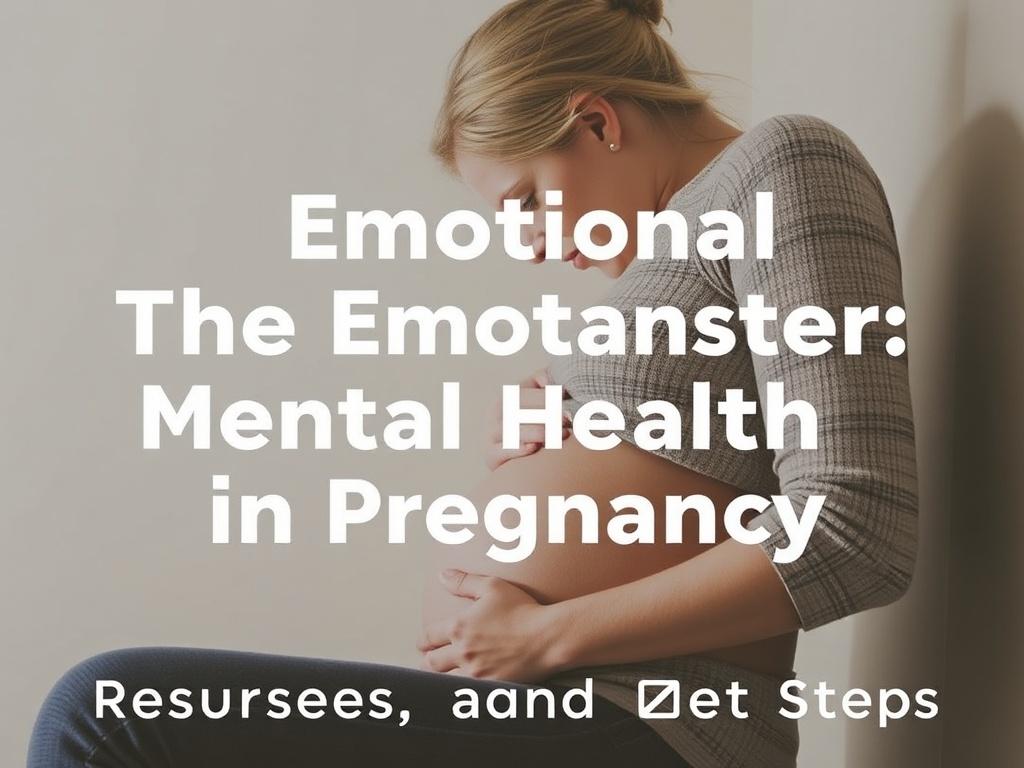
If you’re unsure where to start, ask your obstetric provider for a mental health referral at your next appointment. Many clinics screen for mood and anxiety symptoms and can provide immediate information about local services.
National hotlines and online resources offer 24/7 support and educational materials. If cost or access is a barrier, community health centers and nonprofit organizations often provide low-cost or sliding-scale services.
- National Maternal Mental Health Hotline (in the U.S.): 1-833-852-6262 — free, confidential support and resources
- Postpartum Support International: resources, support groups, and provider directories
- Local community mental health centers and perinatal psychiatry clinics — ask your OB or midwife for recommendations
The emotional landscape of pregnancy is complicated—sometimes radiant, sometimes rocky. Understanding the difference between normal fluctuation and symptoms that need treatment makes it possible to act early and protect both parent and child. You do not have to navigate this alone; help is available, and reaching out is a strong, necessary step.

 Move with confidence: exercise safely during pregnancy
 Preparing for the first prenatal appointment: what to know and do
 Understanding and easing common pregnancy discomforts
 A guide to prenatal vitamins and supplements