
Pregnancy is a time of intense change—physical, emotional, and practical. Most expectant parents will encounter a handful of predictable discomforts: nausea, back pain, insomnia, swelling, heartburn, and more. This article explores those symptoms in depth and offers evidence-based, practical ways to ease them so pregnancy feels more manageable and less like an endurance test.
Why pregnancy causes discomfort
Hormones shift dramatically during pregnancy, and these chemical changes affect nearly every body system. Progesterone relaxes smooth muscle to protect the pregnancy, but it also slows digestion and can cause heartburn or constipation. Meanwhile, increased blood volume and fluid retention can lead to swelling and varicose veins.
Beyond hormones, the mechanical realities of a growing uterus change posture, stretch ligaments, and pressure surrounding organs. Those physical shifts are why symptoms evolve across trimesters: what you feel in month two often looks different from month eight. Understanding the cause makes remedies easier to choose and safer to use.
Knowing which discomforts are common and which require medical attention is essential. Many symptoms are normal and can be managed at home, but some—severe pain, heavy bleeding, sudden swelling, or shortness of breath—need prompt evaluation. I’ll point out when to call your provider as we go through each issue.
First-trimester discomforts: nausea, fatigue, and sensitivity
Nausea and vomiting (morning sickness)
Nausea affects roughly 70–80% of pregnant people and can range from mild queasiness to severe vomiting. It most often appears between weeks 6 and 12 but can begin earlier or persist longer, and the term “morning sickness” is misleading—nausea can strike any time of day.
Small, frequent meals rather than three large ones often help. Bland, protein-rich snacks like crackers with peanut butter or a slice of turkey can stabilize blood sugar and reduce queasiness. Ginger, whether in tea, chews, or capsules, has solid evidence supporting its ability to ease mild nausea.
If nausea is severe and your body can’t keep fluids or food down, seek medical care—your provider may recommend vitamin B6 with doxylamine or other prescription options. A friend of mine lived on ginger candies and saltine crackers for weeks; simple strategies made daily life bearable until her symptoms eased in the second trimester.
Extreme tiredness and lethargy
Fatigue in early pregnancy is driven by rising progesterone and the metabolic demands of supporting early fetal growth. It can be overwhelming, and trying to push through without adjustments often backfires. Prioritize short naps when possible and accept help with chores.
Regular, gentle movement improves energy more reliably than caffeine. A short walk, gentle yoga, or light strength training increases circulation and mood. If fatigue is crushing or accompanied by dizziness or palpitations, check iron levels and thyroid function with your clinician.
Breast tenderness and sensitivity
Breast changes—fullness, tenderness, and darkening of the areolae—are among the earliest signs of pregnancy. These changes are normal but uncomfortable. Supportive clothing, like a well-fitting nursing or sports bra, can reduce soreness during day and night.
Avoid underwires if they press into tender tissue, and use soft padding if friction causes irritation. Some people find relief using cool compresses or wearing breathable fabrics. If pain is severe or localized, have it evaluated to rule out infection or other issues.
Frequent urination and urinary urgency
Increased blood flow to the kidneys and the growing uterus pressing on the bladder mean more frequent trips to the bathroom. This symptom often begins early, eases in the second trimester, and returns later as the baby descends. Hydration is crucial despite the annoyance.
Avoid bladder irritants such as caffeine and citrus if urgency is excessive. Practicing double voiding—urinating, then relaxing and trying again—can improve emptying. If you have burning, fever, or blood in the urine, get tested for a urinary tract infection right away; UTIs are common in pregnancy and need prompt treatment.
Gastrointestinal issues: heartburn, constipation, and hemorrhoids
Heartburn and acid reflux
Progesterone relaxes the lower esophageal sphincter and slows stomach emptying, so acid flows back up more easily. Add the upward pressure of a growing uterus and you have a recipe for nightly heartburn. Avoiding spicy, fatty foods and large meals helps reduce episodes.
Eat smaller, more frequent meals and avoid lying down within two hours of eating. Elevating the head of the bed by a few inches reduces nocturnal reflux. Over-the-counter antacids like calcium carbonate are safe for many people; check with your clinician before using stronger medications like proton pump inhibitors.
Constipation
Constipation is common due to slowed intestinal motility, iron supplements, and decreased activity. Increasing fiber intake through fruits, vegetables, whole grains, and legumes can help. Also increase water intake and aim for regular, gentle exercise to promote bowel movement.
Start with dietary measures and fiber supplements like psyllium if needed. Stool softeners such as docusate are generally considered safe in pregnancy when dietary changes aren’t enough. Avoid strong stimulant laxatives unless your provider prescribes them, and discuss iron alternatives if constipation is medication-related.
Hemorrhoids
Pushed and swollen veins around the rectum can result from constipation and increased pressure in the pelvis. Hemorrhoids are uncomfortable but common, especially in later pregnancy. Soothing measures like sitz baths—sitting in warm water for 10–15 minutes—reduce pain and inflammation effectively.
Fiber, hydration, and topical numbing creams or witch hazel pads also relieve symptoms. If bleeding is heavy or pain is severe, contact your provider; procedures like rubber band ligation are rarely necessary during pregnancy but sometimes considered postpartum.
Musculoskeletal pain: back, pelvis, and sciatica
Lower back pain
As the abdomen grows, the center of gravity shifts, increasing lumbar lordosis and straining back muscles. Hormonal looseness of ligaments compounds the problem, so activities that were easy pre-pregnancy can suddenly cause pain. A focused approach of posture, strengthening, and ergonomic adjustments helps tremendously.
Daily core and pelvic floor exercises, pelvic tilts, and gentle stretching reduce pain and improve function. Heat packs to sore areas, prenatal massage from a qualified therapist, and avoiding heavy lifting are practical strategies. When pain is severe or accompanied by numbness, seek evaluation to rule out other causes.
Pelvic girdle pain and symphysis pubis dysfunction (SPD)
Pelvic girdle pain is characterized by aching in the front or back of the pelvis and sometimes a clicking sensation with movement. Symphysis pubis dysfunction involves the joint at the front of the pelvis and can make walking or climbing stairs difficult. These conditions are helped by stabilization exercises and activity modification.
Wearing a pelvic support belt during the day and avoiding wide-legged movements—like stepping over large obstacles—reduces strain. Physiotherapy that includes manual work and targeted strengthening often provides marked improvement. Many people find pain eases after delivery, though gradual recovery and pelvic rehab postpartum are important for long-term function.
Sciatica and nerve pain
Pressure on the sciatic nerve can cause sharp, shooting pain down one leg. This can result from the uterus pressing on nerves or from a herniated disc worsened by pregnancy-related weight changes. Gentle nerve-gliding exercises and postural corrections often reduce symptoms.
Certain positions—like lying on the symptom-free side with a pillow between the knees—relieve pressure. If pain is severe or accompanied by weakness, numbness, or bowel/bladder changes, prompt medical assessment is necessary because these signs can indicate more serious issues.
Circulation and swelling: edema, varicose veins, and blood pressure
Swelling (edema)
Fluid retention, especially in the feet, ankles, and hands, is common in late pregnancy. Standing for long periods and warm temperatures worsen swelling. Elevating the legs, wearing compression stockings, and avoiding long standing periods reduce edema and discomfort.
Moderate swelling is normal, but sudden or severe swelling—especially if accompanied by headaches, visual changes, or upper abdominal pain—may signal preeclampsia and needs immediate evaluation. Track changes and report concerning symptoms to your clinician without delay.
Varicose veins
Increased blood volume and pressure on pelvic veins can cause varicosities in the legs and even the vulva. Compression stockings, elevating the legs, and avoiding prolonged sitting or standing help minimize progression. Walking and calf-strengthening exercises improve venous return.
Postpartum procedures can treat persistent varicose veins if they remain bothersome, but most people see improvement after delivery when pressure in the pelvic veins decreases. For painful or rapidly worsening varicosities, consult your provider for individualized treatment options.
Blood pressure changes and preeclampsia
Blood pressure normally changes during pregnancy; however, hypertension or preeclampsia—high blood pressure with signs of organ dysfunction—requires urgent attention. Regular prenatal visits monitor blood pressure, urine protein, and symptoms like headaches or visual disturbances. Awareness and early detection are crucial for maternal and fetal safety.
If you experience severe headaches, sudden swelling, visual changes, or upper abdominal pain, contact your provider or go to the emergency department. These can be warning signs, and prompt management improves outcomes for both mother and baby.
Respiratory and cardiovascular changes: shortness of breath and palpitations
0
Shortness of breath
Pregnancy increases oxygen demand and reduces lung capacity slightly as the diaphragm is pushed upward. Mild breathlessness with exertion is normal, especially in the third trimester. Practice paced breathing—slow, diaphragmatic breaths—and adjust activity levels to your comfort.
Severe or sudden shortness of breath, chest pain, or a cough that produces blood-streaked sputum should be evaluated immediately, as these could signal pulmonary embolism or other serious conditions. For benign dyspnea, posture, frequent breaks, and moderate aerobic activity improve efficiency and reduce symptoms over time.
Heart palpitations
Feeling your heart race or skip beats is common and usually benign in pregnancy due to increased blood volume and cardiac output. Slowing down, sipping water, and deep-breathing techniques often calm palpitations. If palpitations are accompanied by fainting, dizziness, or chest pain, seek medical attention.
For persistent arrhythmias, providers may perform monitoring and select treatments compatible with pregnancy. Many rhythm disturbances resolve postpartum, but safe management during pregnancy is available when necessary.
Sleep disturbances and fatigue management
Insomnia and fragmented sleep
Between hormone shifts, nighttime bathroom trips, heartburn, and discomfort, sleep can become elusive. Good sleep hygiene is essential: consistent sleep-wake times, a calming bedtime routine, and a cool, dark environment all help. Consider pregnancy pillows to support the belly and hips, making side sleeping more comfortable.
Avoid screens right before bed and limit caffeine intake after midday. Short, planned naps can reduce daytime sleepiness without wrecking nighttime sleep. If insomnia becomes severe or you’re showing signs of depression or anxiety, discuss cognitive behavioral therapy for insomnia (CBT-I) and other nonpharmacologic options with your provider.
Restless legs syndrome
An urge to move the legs that interferes with sleep is surprisingly common and may relate to iron deficiency or altered neurotransmitter function. Iron testing is a reasonable first step if you experience symptoms. Small behavioral changes—regular moderate exercise, leg stretches before bed, and avoiding late caffeine—often yield noticeable improvement.
When iron is low, supplements correct the imbalance and reduce symptoms. For persistent restless legs that significantly impair sleep, your clinician can advise on safe treatments during pregnancy and postpartum recovery.
Skin, hair, and dental changes
Skin sensitivity, itching, and stretch marks
Stretch marks result from rapid skin stretching and hormonal effects on collagen, appearing on the abdomen, breasts, and thighs. Keeping the skin well-hydrated with emollients reduces itch and can improve comfort, though no product guarantees prevention of marks. Fortunately, stretch marks often fade into paler lines after delivery.
Generalized itching, especially later in pregnancy, should be evaluated because cholestasis of pregnancy—a liver-related condition—can cause intense itching and requires monitoring. Report new, unexplained itching to your provider, particularly if it’s worst on the palms or soles or accompanies dark urine or light stools.
Gum health and oral care
Pregnancy hormones increase the risk of gum inflammation and bleeding. Maintaining excellent oral hygiene—brushing twice daily with fluoride toothpaste, flossing, and regular dental cleanings—is important. Share your pregnancy status with your dentist; most routine dental work and many necessary treatments are safe during pregnancy.
Dental infections can affect pregnancy outcomes, so don’t delay care because you’re expecting. My own pregnancy included an unexpected dental abscess; timely treatment prevented a painful escalation and eased several days of discomfort I didn’t need.
Emotional wellbeing: mood changes, anxiety, and depression
Mood swings and heightened emotions
Hormonal fluctuations, sleep disruption, and life changes combine to make emotions more volatile. Rapid mood changes are common, but persistent sadness, hopelessness, or inability to function may indicate antenatal depression. Treatment during pregnancy is important and effective—therapy, social support, and sometimes medication can help.
Open conversations with your partner, friends, or a counselor reduce isolation and normalize the experience. If you feel overwhelmed or notice loss of interest in activities you once enjoyed, reach out to your healthcare team for screening and a treatment plan that balances benefits and risks.
Anxiety and intrusive worries
Worry about the pregnancy, the baby’s health, or impending life changes is normal, but intense anxiety can affect sleep, appetite, and daily functioning. Mindfulness, breathing exercises, prenatal classes, and therapy—particularly cognitive behavioral therapy—are effective nonpharmacologic approaches. Support groups for expectant parents or those with similar experiences can also be valuable.
Medication may be indicated for severe anxiety; many antidepressants and anxiolytics have established safety profiles in pregnancy, but they should be discussed carefully with a clinician. Balancing maternal mental health and fetal safety is a collaborative decision with your provider.
Sexual health and body image
Changes in libido and comfort during sex
Pregnancy can alter sexual desire in unpredictable ways: some people feel more interested due to increased blood flow, while others lose interest because of discomfort or mood changes. Open communication with your partner and trying positions that reduce abdominal pressure usually maintain intimacy. Use water-based lubricants if dryness is an issue, and avoid sexual activity if advised by your provider for specific medical reasons.
For those with concerns about safety of sex, most pregnancies allow continued sexual activity unless there are complications such as placenta previa, preterm labor risk, or ruptured membranes. When in doubt, ask your clinician for guidance tailored to your situation.
Body image and coping strategies
Rapidly changing bodies can be a source of grief or celebration, sometimes both at once. Focusing on function—what your body is accomplishing—can be a helpful reframing. Practical measures like comfortable clothing, supportive undergarments, and connective conversations with partners and friends ease the transition.
Joining prenatal groups or classes where others share similar experiences also counters isolation. Real-life stories from diverse parents remind us that physical changes are normal, temporary in many ways, and part of a larger journey toward caring for an infant.
Pain relief and safe medications during pregnancy
Over-the-counter options
Acetaminophen (paracetamol) is generally considered safe for short-term use during pregnancy for pain and fever, but it’s wise to use the lowest effective dose for the shortest time. NSAIDs like ibuprofen are typically avoided, especially in the third trimester, due to risks to the fetal circulatory system. Always check with your provider before starting or continuing any medication.
Topical treatments—heat packs, cold compresses, and topical analgesic creams—are useful adjuncts and carry minimal systemic risk when used appropriately. For severe, persistent pain, a clinician may suggest targeted injections or other interventions after weighing benefits and risks carefully.
Complementary and alternative therapies
Acupuncture and prenatal massage have good evidence for helping certain pregnancy pains, such as pelvic girdle pain and low back pain. Always choose practitioners experienced with pregnancy and confirm they avoid contraindicated points or techniques. Gentle chiropractic care can also be helpful for some people when performed by a practitioner who understands pregnancy biomechanics.
Herbal remedies should be used cautiously; not all are safe in pregnancy, and quality control is variable. Discuss any supplements or alternative treatments with your prenatal provider to ensure safety and avoid interactions with prescribed medications.
Practical daily strategies that help most discomforts

Movement, posture, and exercise
Regular, moderate exercise—walking, swimming, prenatal yoga, and strength work tailored to pregnancy—reduces many common complaints and improves mood and sleep. Focus on pelvic floor exercises, hip and core strengthening, and balanced posture to mitigate back and pelvic pain. Always get clearance from your provider if you have pregnancy complications.
Small ergonomic changes, like sitting with lumbar support, lifting with legs rather than bending at the waist, and changing positions often, lower strain during daily tasks. I found a foam wedge and supportive shoe inserts made long days much more tolerable near the end of my pregnancies.
Nutrition and hydration
A balanced diet with adequate protein, fiber, iron, calcium, and healthy fats supports energy, digestion, and fetal growth. Hydration mitigates headaches, constipation, and swelling; aim for consistent fluid intake throughout the day rather than chugging at night. Talk to your provider about prenatal vitamins and whether you need additional iron or other supplements based on bloodwork.
Small, frequent meals stabilize blood sugar and reduce nausea and reflux. If you struggle with food aversions or vomiting that prevents adequate intake, seek nutritional counseling to protect maternal and fetal health.
Clothing, sleep gear, and daily aids
Supportive maternity clothing, a good bra, compression stockings, and a pregnancy pillow are inexpensive investments that reduce many physical stressors. Proper footwear with arch support prevents foot and back pain. For sleep, side-lying with a pillow between the knees reduces lumbar strain and improves comfort for many.
Practical aids like a step stool to avoid wide steps, a perineal warm pack for postpartum recovery, and a water bottle with time markers increase daily comfort and encourage healthy habits. These small changes compound into real relief over weeks and months.
Labor preparation: pelvic floor and pain management planning
Pelvic floor preparation and birth positions
Working with a pelvic floor physiotherapist before labor strengthens supportive muscles and teaches breathing and bearing-down techniques that make pushing more effective and less traumatic. Learning multiple labor positions—upright, hands-and-knees, squatting—helps you find what reduces pain and speeds progress.
Practicing positions and breathing during pregnancy makes them easier in labor. Many people find that pushing in an upright position uses gravity to help delivery, and having a plan for pain relief—both nonpharmacologic and pharmacologic—reduces anxiety during labor.
Pain relief options during labor
Options range from comfort measures—massage, warm baths, TENS units—to pharmacologic methods such as nitrous oxide and epidural anesthesia. Discuss pros and cons with your care team and consider a birth preferences document to communicate your wishes while remaining flexible. Epidurals provide excellent pain control for many but require monitoring and can influence the course of labor.
Knowing what’s available, and why you might choose one method over another, reduces uncertainty and helps you advocate for yourself in the moment. Attending childbirth education classes exposes you to a variety of coping strategies and clarifies what to expect.
When to seek urgent care or call your provider
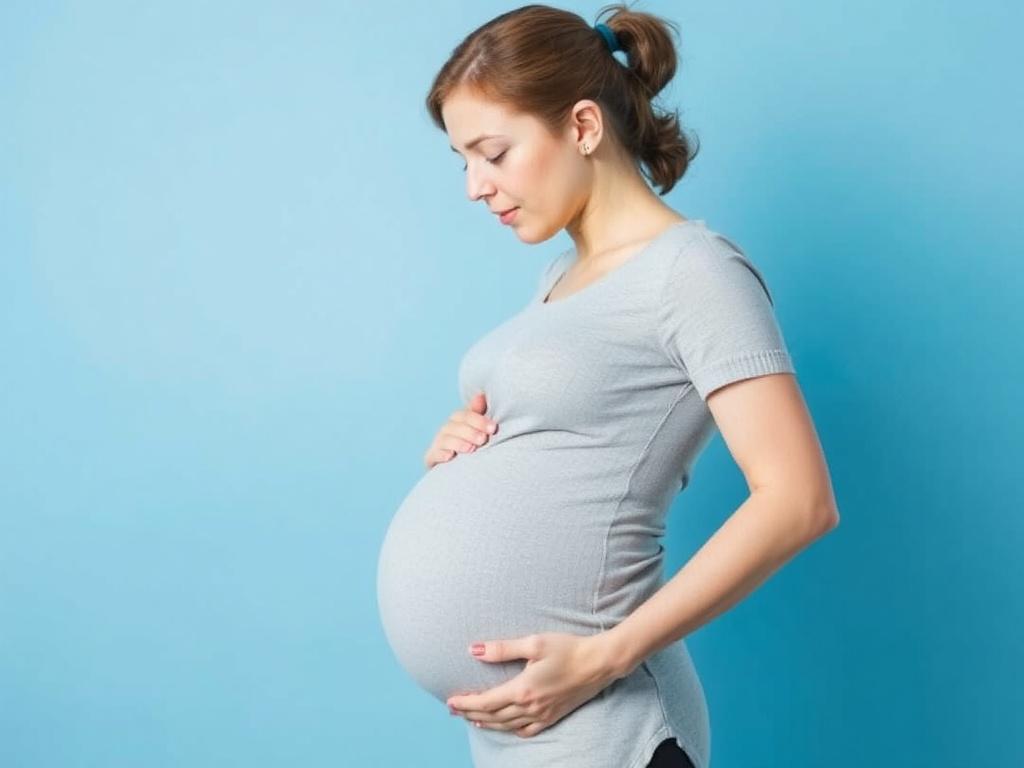
Red flags that need immediate attention
- Heavy vaginal bleeding, severe abdominal pain, or sudden gush of fluid.
- Severe or escalating headaches, vision changes, or sudden swelling—possible preeclampsia signs.
- Fever over 100.4°F (38°C), severe shortness of breath, chest pain, or fainting.
- Decreased fetal movement after 28 weeks—counting kicks and reporting any significant decrease is important.
Prompt evaluation for any of these symptoms improves maternal and fetal outcomes. Keep your prenatal clinic’s after-hours number handy and don’t hesitate to use emergency services when needed.
Quick reference table: symptoms and practical reliefs
| Symptom | Simple at-home reliefs | See provider if… |
|---|---|---|
| Nausea | Small, frequent meals; ginger; vitamin B6 | Unable to keep fluids down; weight loss |
| Heartburn | Smaller meals; elevate head of bed; antacids | Severe vomiting or weight loss |
| Back/pelvic pain | Posture work; pelvic belt; prenatal PT | Severe pain or numbness |
| Swelling | Elevate legs; compression stockings; hydrate | Sudden, severe swelling or visual changes |
| Constipation | Fiber, water, movement; stool softener | Prolonged pain or bleeding |
Real-life examples from parent experiences
One friend discovered that wearing compression socks early in the day prevented ankle swelling that used to leave painful indentations overnight. She said this small change kept her mobile and less anxious about standing for work duties. Practical adjustments like that often make the biggest difference.
I recall a patient who used a combination of ginger, acupressure bands, and scheduled small meals to manage severe morning sickness; she eventually required prescription therapy, but those early measures bought her time and calories. The layered, trial-and-adjust approach is common: try gentle options first, escalate thoughtfully with professional guidance.
Another pregnant parent found pelvic physiotherapy transformational for SPD; within weeks she regained confidence to climb stairs and play with her toddler without constant fear of a painful flare. Stories like these underscore the value of early conservative therapy and trusting targeted interventions.
Preparing for postpartum recovery while easing pregnancy discomforts
Birth planning and postpartum expectations
Planning ahead for postpartum needs reduces anxiety and speeds recovery. Arrange help for the first weeks after delivery, gather essentials like peri-care items beforehand, and discuss breastfeeding support with lactation consultants. Managing pregnancy discomforts now—pelvic floor work, sleep strategies, and realistic expectations—pays dividends after the baby arrives.
Understand that many pregnancy aches improve once the uterus involutes and hormones normalize, but some issues—like diastasis recti, persistent pelvic pain, or varicose veins—may need ongoing care. Early follow-up with pelvic health professionals helps identify lingering issues and creates a plan for rehabilitation.
Final practical checklist for day-to-day relief
- Hydrate, eat balanced small meals, and prioritize protein and fiber.
- Move daily—walk, swim, or practice prenatal yoga—and focus on pelvic and core strength.
- Use supportive garments: well-fitting bra, supportive shoes, and compression stockings.
- Optimize sleep with a pregnancy pillow and a consistent routine.
- Keep emergency numbers and your provider’s advice handy for red-flag symptoms.
Pregnancy discomforts are varied and often manageable with simple, consistent strategies. Combining lifestyle adjustments, targeted therapies, and medical support when needed helps most people move through pregnancy more comfortably and with confidence. If ever in doubt, err on the side of contacting your care team—timely advice steers you away from complications and toward the best outcomes for you and your baby.

 A guide to prenatal vitamins and supplements
 Nutrition myths and facts for a healthy pregnancy: what really matters
 The ultimate pregnancy checklist: first trimester