
Pregnancy invites change in every corner of life, including how you move and care for your body. Exercising while pregnant brings major benefits—better mood, improved sleep, stronger muscles for labor and recovery—but it also raises questions about safety and the right kinds of workouts. This guide walks through what’s safe, what’s smart to modify, and how to build a sustainable routine that fits your changing body and energy levels.
Why stay active while pregnant?
Regular physical activity during pregnancy reduces the risk of excessive weight gain, gestational diabetes, and pregnancy-related aches such as back pain. It supports cardiovascular fitness and can make labor shorter and less tiring for many people.
Exercise also has immediate benefits: it boosts mood, eases stress, and improves sleep quality—small wins that matter a lot when hormones and life logistics shift. These gains make moving through pregnancy easier, not harder.
Research and professional guidelines encourage activity in most healthy pregnancies, and many clinicians now recommend aiming for at least 150 minutes of moderate aerobic activity per week. Always check with your healthcare provider first, but know that movement is often part of the prescription, not the problem.
Getting medical clearance and setting personal goals
Before changing your routine, get a brief go-ahead from your provider. For most people, that’s a one-sentence clearance; for those with conditions such as placenta previa, preeclampsia, significant heart disease, or certain cervical issues, specific limitations may be necessary.
Set goals that match your energy and circumstances. Some prefer preserving fitness levels, others want gentle maintenance or strength gains that will carry them through delivery and postpartum recovery.
Measure effort by how you feel, not just numbers on a watch. The talk test—being able to hold a conversation while active—and perceived exertion are reliable guides for intensity in pregnancy.
Principles of safe prenatal training
Prioritize consistency over intensity. Shorter, more frequent sessions beat sporadic sprints of very hard training, which can spike fatigue and risk. Aim to move most days rather than pushing a few extreme workouts each week.
Keep posture and joint stability top of mind. Pregnancy hormones increase ligament laxity, so paying attention to alignment and controlled movement reduces injury risk. Favor controlled tempos and whole-body stability over heavy, uncontrolled loading.
Hydration, cool environments, and appropriate clothing matter more than many expect. Overheating early in pregnancy or late in high exertion sessions isn’t ideal; take breaks, sip regularly, and watch for symptoms like lightheadedness or nausea.
Understanding intensity: how hard is too hard?
High-intensity work is not universally off-limits, but it must be individualized. For someone who trained at high intensity before pregnancy, scaled interval work may be acceptable under supervision. For beginners, moderate steady-state activity is safer and more sustainable.
Use the talk test and perceived exertion instead of strict heart rate targets. A moderate effort should allow conversational speech; on harder intervals you might speak in short phrases but not comfortably hold a conversation. When in doubt, err on the side of easier.
If you experience unusual shortness of breath, chest pain, dizziness, or palpitations, stop and contact your provider. These are signals that your intensity may be inappropriate or that another issue needs evaluation.
Trimester-by-trimester guidance
First trimester (weeks 1–12)
The first trimester brings fatigue, nausea, and sudden hormonal shifts. These symptoms often dictate pacing: some days you’ll feel energetic, other days rest is the priority. Gentle to moderate exercise typically remains safe, and building habit early can pay off as pregnancy progresses.
Focus on mobility, core activation that is pregnancy-appropriate, and low-impact cardio like brisk walking or cycling on a stable bike. Avoid pushing through severe nausea or dizziness; modify intensity according to how you feel.
Maintain strength training with lighter loads and controlled movements, prioritizing form over weight. If you were lifting heavy before pregnancy, reduce load and avoid maximal lifts or breath-holding maneuvers until cleared.
Second trimester (weeks 13–27)
Many people experience a window of increased energy in the second trimester. This is a great time to establish a steady routine that balances cardio, strength, and flexibility. Most modifications begin to become obvious as the belly grows.
Begin avoiding prolonged supine positions—after about 20 weeks, lying flat on your back can compress major blood vessels and reduce blood flow. Replace supine core work with side-lying or seated variations and modify floor transitions carefully.
Strength workouts remain valuable; emphasize hip and posterior chain strength to support the changing center of gravity. Use machines or free weights with attention to balance and bracing; stability declines as pregnancy progresses.
Third trimester (weeks 28–40+)
Energy levels can drop and balance becomes a daily consideration. Prioritize functional strength, gentle cardio, and mobility work that prepares you for labor and postpartum recovery. Swimming and water aerobics often feel best in this stage because the water supports your weight and relieves joint stress.
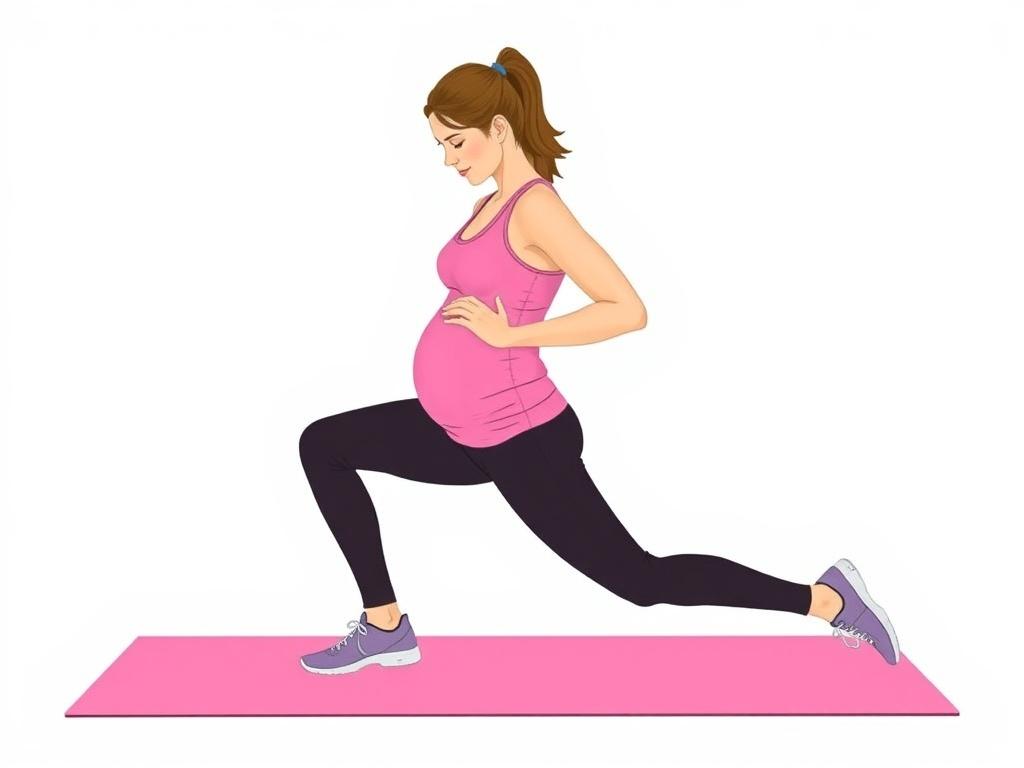
Start including pelvic floor work and practice positions that might assist labor—upright squatting, supported lunges, and gentle hip openers. Keep sessions shorter but consistent and continue prioritizing alignment and breath control.
A few weeks before your due date, shift focus from building capacity to maintaining mobility and staying comfortable. Rest and recovery become part of the training plan, not a failure to meet goals.
Safe types of exercise and how to adapt them
Some activities are excellent through pregnancy with minor tweaks; others require avoidance due to higher fall risk or impact. Below are common exercise categories and practical modifications.
Walking and hiking
Walking is one of the safest, most effective activities throughout pregnancy. It supports cardiovascular health, requires no special equipment, and is easy to scale by pace and duration. For hikes, choose stable trails and ditch heavy backpacks to reduce strain.
Wear supportive shoes and consider poles for balance on uneven terrain. If you experience pelvic girdle pain or sciatica, shorten distance and favor flat routes; walking remains useful but keep intensity moderate.
Swimming and water workouts
Water supports your weight, reduces joint stress, and cools you—three big advantages during pregnancy. Swimming laps, water aerobics, and simply walking in chest-deep water are excellent choices at any trimester. These sessions also reduce swelling and can relieve back pain.
Avoid diving and high-impact aquatic moves. Instructors who teach prenatal water classes understand modifications for labor preparation and can help you maintain fitness safely.
Strength training
Resistance training preserves muscle mass and builds strength for labor and caring for a newborn. Use compound, controlled movements—squats, rows, hip hinges, and lunges—scaled for weight and range of motion. Breath-holding and maximal lifts should be avoided or significantly reduced.
Machines and cables can be helpful for stability; free weights are fine when balance isn’t compromised. Pay attention to pelvic floor sensations during heavy sets and ease off if you feel pressure or bulging in the pelvic area.
Yoga and Pilates
Prenatal yoga and Pilates classes tailored to pregnancy are valuable for flexibility, breath work, and posture. These practices encourage mindfulness and help reduce back pain. Choose instructors trained in prenatal modifications to avoid poses that compress the abdomen or require deep twisting.
Avoid intense hot yoga and any inverted holds or deep abdominal work that stresses the linea alba. Focus on gentle hip openers, side-lying stretches, and breath-driven relaxation techniques.
Low-impact cardio and elliptical
Elliptical machines, stationary cycling, and low-impact aerobics keep the heart rate up without jarring the joints. Intervals can be included cautiously if you were already accustomed to this intensity before pregnancy. Keep resistance and incline moderate to avoid breathlessness and overheating.
Stationary bikes are preferable to outdoor cycling later in pregnancy because the fall risk is much lower. Always secure bikes and avoid standing too long on a spin bike if balance feels compromised.
Pelvic floor and core work
Kegel exercises, pelvic tilts, and gentle transverse abdominis activation are essential tools. They support bladder control, help prepare for labor, and assist postpartum recovery. Learn proper engagement—quick contractions and sustained holds are both useful in balanced programming.
Avoid forceful crunches or sit-ups, which can exacerbate diastasis recti (abdominal separation). Focus on functional core work: standing anti-rotation exercises, modified planks supported on knees or an incline, and breathing drills that coordinate engagement and relaxation.
Exercises and situations to avoid
Not every activity is appropriate while pregnant. The goal is avoiding high-risk scenarios rather than eliminating all challenge. Below is a concise list of activities to steer clear of in most cases.
- Contact sports and activities with a high fall or collision risk (e.g., soccer, basketball, horseback riding).
- Scuba diving due to decompression risks for the fetus.
- Hot yoga and exercising in extreme heat or humidity that raises core body temperature dramatically.
- Prolonged supine exercises after roughly 20 weeks.
- Any exercise that causes sharp pain, bleeding, or significant leakage of fluid.
Specific limitations can vary depending on your medical history and the way you feel, so treat this list as a general guideline rather than an exhaustive rulebook. Your provider’s advice takes precedence.
Signs to stop immediately and call your provider
Exercise should never continue if you notice red-flag symptoms. Stop and seek medical advice if you experience vaginal bleeding, regular painful contractions, decreased fetal movement, or fluid leaking from the vagina.
Also stop for chest pain, severe shortness of breath before exertion, dizziness, fainting, severe headache, visual changes, or swelling that’s sudden or pronounced. These can signal medical conditions that need prompt attention.
Keep emergency contact information handy and err on the side of caution—it’s better to pause activity and check in than to ignore worrying signs.
Addressing common pregnancy complaints through movement

Many pregnancy-related aches respond well to specific exercises and positional changes. For example, lower back pain often improves with glute- and core-strengthening moves and with mindful posture work. Gentle hip mobility and posterior chain strengthening can reduce load on the lumbar spine.
Sciatica and pelvic girdle pain benefit from stabilization exercises that target the deep abdominal muscles and hip stabilizers. Avoid exercises that aggravate symptoms and instead focus on controlled activation, short walks, and water therapy.
For swelling and leg cramps, frequent walks, ankle mobility drills, and proper hydration help. If cramping is severe or accompanied by other concerns, always contact your clinician.
Managing diastasis recti and abdominal work
Diastasis recti—separation of the abdominal muscles—is common during pregnancy and often improves after delivery. While some separation is normal, excessive bulging or doming during exercise suggests that certain movements need modification. Avoid straight-up sit-ups and rapid belly doming.
Teach your core to function as a unit with breathing, pelvic floor engagement, and gentle transverse abdominis activation. Exercises like heel slides, supported side planks, standing anti-rotation holds, and modified bridges build function without undue strain.
After delivery, check with your provider or a pelvic health therapist about when to safely return to higher-load core work and how to assess diastasis healing. Progress should be gradual and guided by function, not timelines alone.
Sample weekly plans: beginner, intermediate, and active
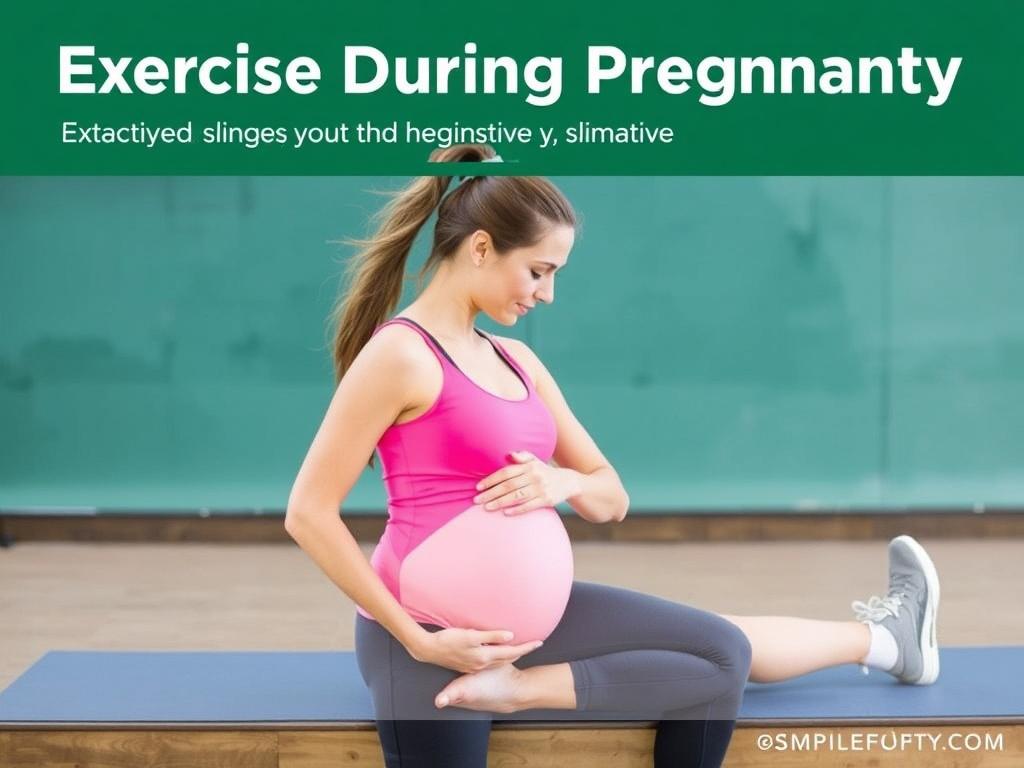
Below are sample frameworks you can adapt. Each plan balances cardio, strength, mobility, and rest. Adjust volume based on energy, trimester, and medical guidance.
Beginner: gentle and steady
Monday: 30-minute brisk walk + pelvic floor exercises. Wednesday: 20–30 minutes gentle yoga focused on mobility. Friday: 25 minutes of stationary cycling or swimming; gentle strength session with bodyweight squats, wall push-ups, and rows.
Include short daily walks, hydration, and 5–10 minutes of breath work each day. Keep intensity conversational and prioritize recovery.
Intermediate: maintain fitness
Monday: 30–40 minutes moderate walk or elliptical with intervals. Tuesday: Strength session (light to moderate weights): squats, Romanian deadlifts, seated rows, chest press, and side-lying clams. Thursday: Prenatal yoga or Pilates focused on hip mobility and breath. Saturday: Swimming or water aerobics, 30–45 minutes.
Use two shorter strength sessions rather than heavy single-session loads and avoid maximal lifts. Monitor pelvic floor sensations during heavier sets.
Active athlete: adapted training
For those accustomed to high activity, maintain intensity with careful scaling. Include interval training at a lower peak relative to pre-pregnancy efforts, shorter max efforts, and increased recovery. Strength sessions can remain twice weekly with reduced loads and higher reps; technical lifts should be halted or heavily modified.
Stay connected with a coach or prenatal trainer who understands your baseline and can adjust for trimester-specific realities. Medical clearance is essential for sustained higher-intensity work.
Sample strength circuit (pregnancy-friendly)
Perform 2–3 rounds of the following circuit, resting 60–90 seconds between rounds. Choose resistance that allows controlled form for 10–15 reps.
- Goblet squat or box squat — builds leg and hip strength while accommodating range of motion changes.
- Supported single-arm row (cable or dumbbell) — preserves upper back strength and posture.
- Hip bridge with band — targets glutes and reduces lower-back load.
- Standing split stance RDL with light dumbbell — challenges single-leg stability safely.
- Incline or wall push-up — maintains chest and shoulder strength without supine strain.
Finish with 5–10 minutes of gentle mobility and pelvic floor engagement. Choose slower tempos to prioritize control over speed or load.
Equipment and class options that work well
A few simple tools expand your options: a medium-resistance band, a set of dumbbells or kettlebells, a stability ball, and a supportive pair of shoes. None of these are mandatory, but they make it easier to progress safely. Water-access can replace many land-based options if joints are sore.
Look for prenatal-specific classes or instructors trained in prenatal modifications. Many gyms and community centers offer prenatal yoga, water aerobics, and strength classes. If you prefer online options, choose programs led by certified prenatal instructors and read reviews from other pregnant participants.
Practical tips for comfort and consistency
Plan workouts around your energy curve. Many people find morning nausea complicates early sessions, while others feel best midday. Keep flexibility in scheduling and accept that what you can do will change week to week.
Wear supportive clothing, including a good sports bra and, as your belly grows, a supportive belly band or maternity belt for heavy-duty days. Proper footwear is essential for balance and joint comfort.
Hydrate before, during, and after sessions. Small, frequent snacks can prevent nausea or lightheadedness. And keep a small towel and a cooler environment—overheating is avoidable with these simple precautions.
Working with healthcare and fitness professionals
Your healthcare provider is the starting point for personalized guidance. If problems such as placenta previa, significant cardiac issues, or a history of preterm labor exist, tailored restrictions are necessary. Request specific written guidance if you have a complicated medical history.
A prenatal physical therapist or pelvic health specialist is invaluable for persistent pelvic pain, diastasis recti, or urinary issues. They can assess mechanics and prescribe targeted exercises that a general fitness instructor may not address. For fitness programming, seek trainers with prenatal certification and a collaborative mindset.
Working with professionals reduces guesswork and gives you a clear plan for safely advancing or modifying activity. It’s an investment that frequently speeds recovery and boosts confidence.
Postpartum transition: the next phase
The postpartum period requires patience and attention to healing. Many clinicians recommend a check-up around six weeks after a vaginal birth and possibly later for a cesarean, and this visit is your cue to get specific clearance for increasing intensity. Begin with gentle pelvic floor and core work, short walks, and gradually reintroduce strength training.
Breastfeeding, sleep deprivation, and new demands on your time mean workouts must be compact and purposeful. Functional strength, short intervals, and integrating movement with childcare—like stroller walks—can preserve consistency. Expect goals to shift as recovery progresses.
If you have diastasis recti, pelvic floor dysfunction, or persistent pain, consult a pelvic health therapist before jumping back into heavy lifting or high-impact classes. A guided progression protects long-term function more than pushing for early performance gains.
Real-life example
I once helped a client who felt defeated after a difficult first trimester. We began with three 20-minute walks per week and a short evening pelvic floor routine. Within six weeks, she reported better sleep and less back pain, which allowed her to try a light strength session at home—progress that felt meaningful and sustainable rather than overwhelming.
That small, steady progression illustrates how realistic goals and patience pay off. Building confidence matters as much as building fitness, and consistent small wins compound into lasting health.
Quick reference table: exercise types, benefits, precautions
| Exercise type | Benefits | Key precautions |
|---|---|---|
| Walking | Cardio, low-risk, easy to scale | Choose stable surfaces; moderate pace |
| Swimming/water aerobics | Reduces joint load, relieves swelling | Avoid diving; watch pool cleanliness |
| Strength training | Maintains muscle, supports posture | Avoid Valsalva, reduce maximal loads |
| Prenatal yoga/Pilates | Flexibility, breath work, mental calm | Avoid hot classes and deep twists |
| High-impact sports | Can maintain fitness pre-pregnancy | Avoid fall/collision risks, contact sports |
Resources and next steps
Start by asking your provider for any specific restrictions and an okay to begin or continue your routine. If you want more structure, look for prenatal-certified trainers or local prenatal fitness classes. A pelvic health therapist can assess anything that feels off and give you a customized plan for core and pelvic floor recovery.
Books, reputable websites, and community groups can reinforce what you learn, but prioritize individualized professional input when concerns arise. Keep a training log of how you feel during and after workouts; patterns in energy, swelling, or pain will help guide adjustments.
Final thoughts
Exercise during pregnancy is not about perfection—it’s about choosing movement that supports your health and comfort while staying alert to signals your body sends. With sensible modifications, most people can continue to enjoy meaningful, effective workouts through pregnancy and into the postpartum period.
Whether you prefer walks, water classes, or gentle strength sessions, consistency and listening to your body will be the most powerful tools. Move with compassion for yourself, and let gradual, steady progress shape this season of change.

 Preparing for the first prenatal appointment: what to know and do
 Understanding and easing common pregnancy discomforts
 A guide to prenatal vitamins and supplements