
It’s surprisingly calming to finish a small task in the chaos of late pregnancy: folding socks, labeling a pacifier, zipping a bag that will hold your first hours at the hospital. Whether this is your first baby or your fourth, a well-packed hospital bag removes one more decision at a moment you’ll want decisions kept to a minimum.
Why packing early matters
Having your bag ready two to four weeks before your due date is a kindness to your future self. Labor can start unexpectedly, especially for first-time parents or those with early inductions, and reaching for a pre-packed bag beats rummaging through drawers while contractions come and go.
Early packing also gives you time to shop thoughtfully rather than hurriedly. If you realize later that you’re missing a nursing bra or a newborn hat, you can order or borrow those items instead of settling for whatever’s closest.
Choosing the right bag
The container matters — it should be roomy but organized. A weekender bag or soft-sided suitcase with compartments is ideal because it fits a variety of items and stays flexible; a rolling suitcase can be cumbersome in tight hospital rooms and stairways.
Look for pockets and sections to keep paperwork separate from toiletries and phone cords. Waterproof lining is a small convenience that saves you from unexpected spills and makes laundering simpler after use.
Documents and essentials to have on hand
Paperwork is the first thing you’ll want to access when you arrive at the hospital, so pack these documents in a clear, easy-to-reach folder. Include your photo ID, insurance card, a copy of your birth plan if you have one, and any hospital pre-registration paperwork to smooth check-in.
Also bring contact information for your provider and pediatrician, a list of current medications and allergies, and any advance directives. If you’re traveling from out of town or have complex medical history, a concise summary of your records on paper can be invaluable when electronic systems are slow or inaccessible.
Comfort and coping items for labor
Labor is long for many people, and physical comforts make a surprising difference. Pack a few items that help you relax or distract you: a lightweight blanket, a focal object (a small stuffed animal or picture), and a portable fan for temperature control.
Bring non-medical pain relief tools as well: a tennis ball or massage tool for pressure, slip-on socks with grip for walking, and a surge timer app pre-downloaded on your phone. Earbuds for music or guided breathing, playlist already curated, will keep you in the zone when staff are moving through the room.
Simple snacks for early labor can be helpful if your hospital allows them. Pack high-energy, easy-to-eat items like energy bars, dried fruit, and electrolyte drink mixes. Check hospital policy ahead of time; many units restrict eating during active labor but allow small, light snacks earlier on.
Delivery and immediate postpartum essentials
Delivery is fast and unpredictable; pack items that support skin-to-skin and early feeding. A large, button-up shirt for immediate skin-to-skin with the baby is comfortable and allows staff to access your chest for breastfeeding help without fully undressing you.
Bring nursing bras or soft bras, nipple cream, and breast pads even if you don’t plan to breastfeed exclusively. Many parents change their minds in the hospital; having supplies on hand removes stress if you do start breastfeeding and need support.
For cesarean births, include loose, high-waisted underwear and a pillow to support your abdomen while in car rides home. Hospitals provide some supplies, but your personal items will usually feel more comfortable and familiar during recovery.
Postpartum recovery: what you’ll actually use
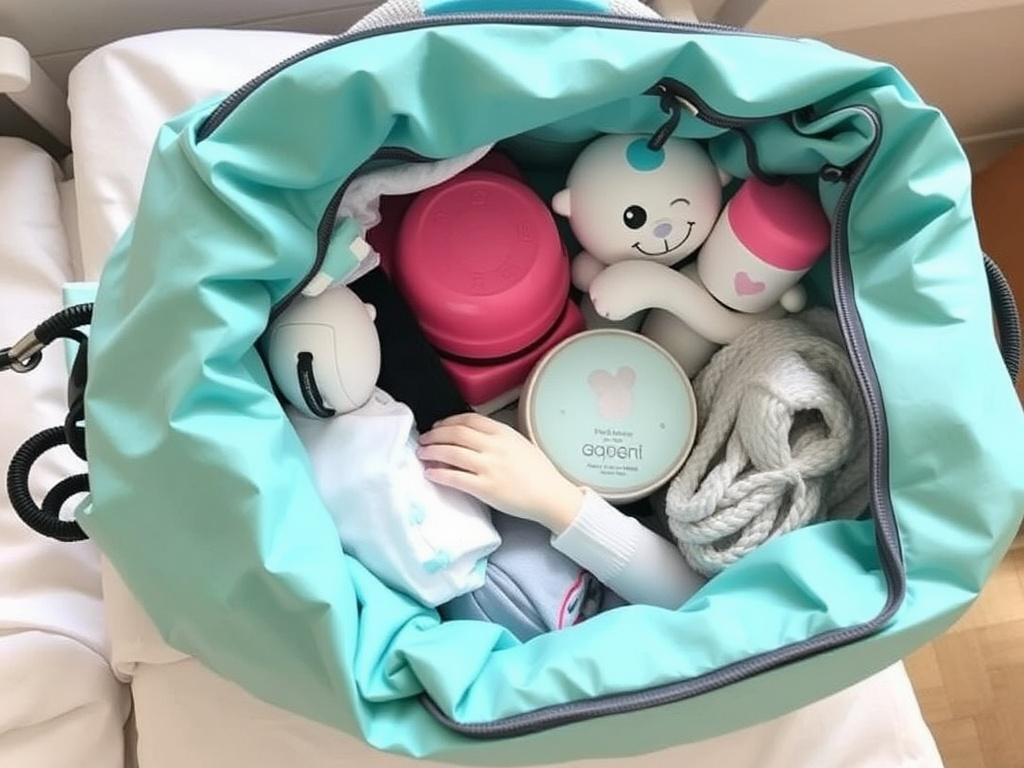
Recovery looks different for everyone, but certain items are universally useful. Pack oversized, comfortable underwear — disposable mesh briefs or large cotton briefs — and a few packages of maternity pads since bleeding is often heavier than expected in the first days after birth.
Pain relief options are important: ask your provider for recommendations and bring ice packs or reusable cool packs if you prefer. A peri bottle for gentle cleaning after using the toilet is a small item with a big impact on comfort, and stool softeners can ease constipation from pain medicine and reduced mobility.
Consider a sitz bath or basin for soothing sore perineal areas if your hospital doesn’t supply one. A supportive postpartum belt or belly band is optional but can offer confidence and help with mobility during the first weeks at home.
What to pack for baby
Babies need very little in the hospital, but a few specific items make the stay smoother and more photogenic. Hospitals usually provide diapers, wipes, and basic clothing, but pack your preferred newborn outfit for the ride home and an extra layer for temperature changes.
Include a couple of swaddles or receiving blankets and a hat that fits a small head; newborn heat loss is real and hospitals may recommend keeping a hat on during the first hours. If you plan to use a specific car seat, install it before labor and bring any base or instruction manual for staff verification at discharge.
| Item | Why it helps |
|---|---|
| Newborn outfit (2) | For photographs and the ride home; bring size 0-3 months in case newborn is large |
| Swaddles (2–3) | Versatile for warmth, privacy during nursing, and comforting baby |
| Car seat | Required for discharge; install beforehand and have registration manual available |
| Pacifier (optional) | Some babies soothe with one; discuss pacifier use with your provider if breastfeeding |
Don’t overpack newborn clothes — you’ll likely leave some behind. A hospital-issued bassinet and blankets are fine for the first nights, and you can dress baby for photos and discharge with a single clean outfit and the car seat properly installed.
Items for your partner or support person
A partner’s needs are often overlooked, but a few thoughtful items can keep them useful and less fatigued. Pack a change of clothes, toiletries, and a pillow and blanket if they plan to stay overnight, as hospital provided supports are often thin and uncomfortable.
Consider snacks, cash for vending machines, and a charger with a long cable so they can stay near you while the device charges. If your partner has specific roles, like documenting the birth or handling calls, pack a small notebook and pen to keep track of important details.
Toiletries and personal care items
Small, familiar toiletries improve well-being after delivery: toothbrush, toothpaste, deodorant, face wipes, and a minimal makeup kit if photographs matter to you. Hospitals supply many hygiene items, but personal versions feel better after labor, especially if you’ll be staying more than 24 hours.
Include comfortable flip-flops or slip-on shoes for showers and an absorbent towel if you prefer your own. A lip balm and moisturizing lotion are small comforts; hospital air is often dry, and nipples can crack with breastfeeding and frequent cleaning.
Clothing: what to wear and what to bring home
Choose items that prioritize comfort, ease of access, and breastfeeding if you intend to nurse. Loose-fitting dresses or oversized button-down shirts are practical for labor and early postpartum, while a soft robe can provide coverage for visitors without sacrificing accessibility.
For the trip home, a stretchy, supportive outfit is preferable to anything tight; many people wear leggings or joggers paired with a roomy top. Bring shoes that are easy to put on — your feet may be swollen — and include a warm layer or scarf for changing weather conditions.
Electronics, chargers, and paperwork organization
Electronics are useful but should be curated to avoid distraction from the experience. Bring a phone, charger, and an extra battery pack; consider a small tripod or camera if you want better photos than a stretched arm can provide.
Keep chargers and cords in a separate pouch so they don’t tangle with medical gear. A small folder or clear pouch for hospital discharge paperwork, baby’s footprints, and important receipts will make leaving less chaotic when your attention is on your newborn.
Feeding supplies and plans
If you plan to breastfeed, pack a nursing pillow and a few nursing bras or comfortable tops. Even if you intend to formula feed, have one package of newborn bottles and formula-samples if your hospital allows them; these things are often provided, but some parents prefer brands they trust.
Bring burp cloths and a bib or two for cleanliness, and check whether your hospital has lactation consultants on staff so you can rely on that support instead of guessing at technique alone. A written or digital note of feeding preferences can help staff support your chosen method without repetitive explanations.
Medications and medical supplies
Pack the medications you take regularly and a list with dosages and prescribing doctor names. Hospitals will typically use their own pharmacy for in-hospital meds, but having your list prevents errors and expedites care if adjustments are needed.
If you have special wound care supplies, allergy medicines, or supplements, bring them in labeled containers. For parents with chronic conditions, include documentation of recent labs or treatment summaries that may change peripartum care decisions.
Practical extras that make life easier
Small conveniences ease downtime in a hospital room: a reusable water bottle with a straw for easy sipping during recovery, a lightweight blanket from home for comfort, and a small tote for bringing home hospital-issued items and paperwork.
Bring an eye mask and earplugs if you’re sensitive to lights and noise — hospital nights are rarely quiet. A small notebook for jotting questions, progress notes, or feeding times is practical and helps keep track when sleep is fragmented.
Hospital policies and cultural considerations
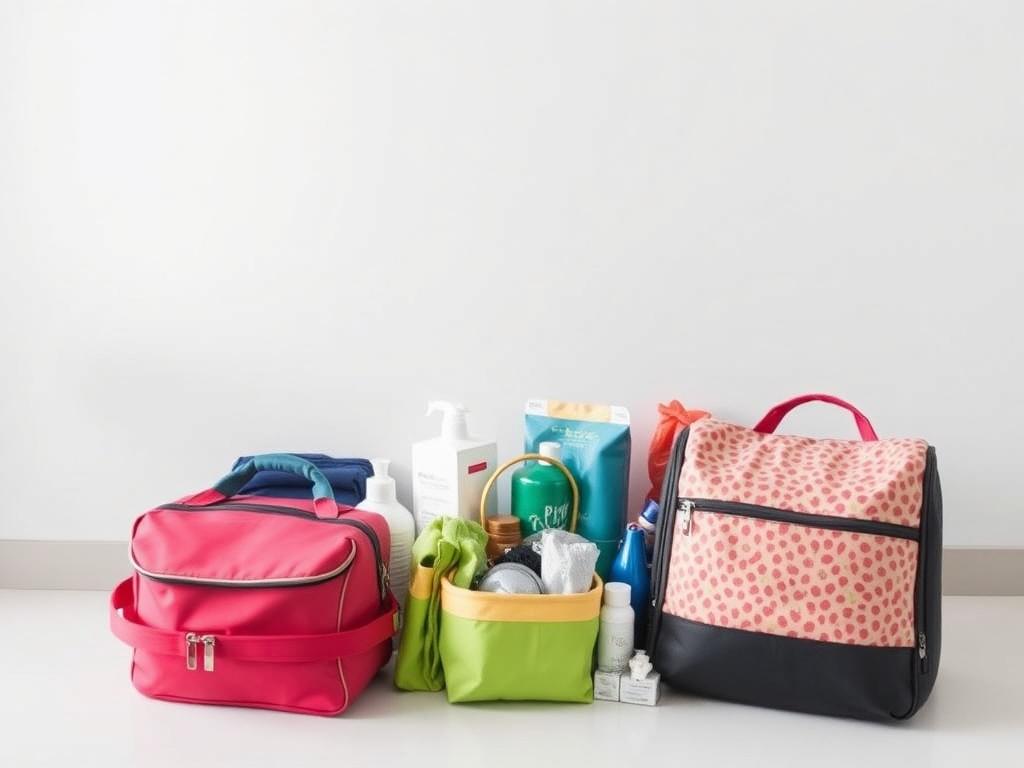
Policies on visitors, food, photography, and cord clamping vary between hospitals; check these rules before you pack. Knowing whether skin-to-skin is encouraged immediately after birth, or whether partners can cut the cord, shapes what you’ll bring and expect.
Cultural or religious items that bring comfort — a prayer shawl, a rosary, a special blanket — are worth including. These personal objects can center you amid clinical settings and help your support team honor your preferences during care.
Packing timeline and checklist

Break your packing into manageable sessions across a few weeks. Start with documents and car seat installation four weeks out, add clothing and toiletries two to three weeks out, and finalize snacks, chargers, and last-minute items the week before your due date.
- 4 weeks before: install car seat, gather ID/insurance, choose bag
- 2–3 weeks before: pack clothing, baby outfit, nursing supplies
- 1 week before: add toiletries, snacks, phone chargers, partner items
- When labor starts: bring bag, leave nonessentials at home, confirm car seat
Keeping a short paper checklist inside the bag helps travel-day nerves — you can quickly verify essentials before you leave home or call for a ride to the hospital. A sticky note with key contact numbers attached to the bag is a helpful last-minute reference.
Common mistakes and how to avoid them
Overpacking is a frequent misstep; lugging a heavy bag adds stress. Stick to a prioritized list, and remember hospitals supply many basics like diapers and ointments, so pack what makes you comfortable rather than every option you can think of.
Another common mistake is forgetting the car seat or failing to install it beforehand. Install the base days in advance and have a friend or technician check the installation if you’re unsure — most fire stations and car seat inspection stations offer quick help.
Personal anecdotes and small design choices that mattered
When I packed for my second baby, I included a battery-powered massage tool on a whim; it proved invaluable during long back labor and made a real difference in my comfort. Little items like that — chosen because they work for you — can transform a difficult hour into something manageable.
Another parent I know packed extra long charging cables and labeled each device; when equipment moved across the room during shifts, they didn’t waste time untangling cords. These small organizational choices leave you with more energy to focus on recovery and the baby.
Preparing siblings and pets for your absence
If older children or pets will be at home while you’re in the hospital, pack an information sheet with routines, emergency contacts, and meal plans. This helps the person staying behind maintain normalcy and reduces phone call interruptions while you’re trying to rest.
Include a small comfort item that links siblings to the newborn, like a cloth with the baby’s scent for pets or a photo for older children. These gestures can reduce anxiety for everyone and help families transition smoothly when you return home.
How to adapt the bag for a cesarean birth
C-section recovery requires some specific planning: include flat, high-waisted underwear and loose tops that won’t press on the incision. A supportive pillow to hold against your abdomen when coughing or getting into the car can minimize pain on the trip home.
Consider longer hospital stays in your packing choices—add extra toiletries, changes of clothing, and entertainment beyond a couple of hours. Mobility is limited after major abdominal surgery, so prioritize convenience: items reachable without much bending or lifting.
When plans change: induction, early labor, or transfer
Induction shifts timelines but not needs: keep your bag accessible and your partner informed about where it’s stored. If you’re transferring between hospitals, pack a small, easy-to-grab “transfer kit” with the most critical documents and comfort items to avoid leaving anything essential behind.
For early labor at home, have a smaller “labor essentials” bag that you can bring to the hospital, while leaving bulkier items at home. This reduces weight and ensures you have pain-coping tools, ID, and immediate necessities when contractions intensify.
Discharge day: what to bring home
On discharge day you’ll need your pediatrician’s contact, newborn birth certificate paperwork if not handled in-hospital, and any medications or special instructions the staff gave you. Pack a final change of clothes for both you and baby and double-check the car seat is properly secured before departure.
If you received prescriptions, confirm early with the pharmacy about timing and pick-up options, and ask for written instructions to review at home. Hospitals often schedule a follow-up or postpartum check; make a plan and note the appointment date before you leave.
Final packing checklist (printable essentials)
Here’s a concise list to print or save on your phone: ID, insurance card, birth plan, phone + charger, snacks, water bottle, comfortable clothes, nursing bras, maternity pads, underwear, slippers, toiletries, newborn outfit, swaddles, car seat, and a small first-aid kit.
- Essentials: ID, insurance, birth plan
- Comfort: robe, socks, pillow
- Feeding: nursing bras, nipple cream
- Baby: outfit, car seat, swaddle
- Partner: change of clothes, snacks, charger
Keep one copy of the checklist inside the bag and one on the fridge or your phone for quick reference. The physical act of checking items off reduces anxiety and gives you a moment of calm control before the big day.
Words of reassurance and final practical tips
Packing a hospital bag is an act of preparation, not a prophecy — it doesn’t guarantee everything will go exactly as planned, but it gives you options. Focus on a handful of things that matter most to your comfort and recovery, and let your birth team handle the rest.
When you arrive at the hospital, hand your essential folder to your partner or support person so they can manage logistics while you focus on labor. With the right items packed and a plan in place, you’ll carry less worry into a moment that deserves presence and attention.

 Creating a calm and clear birth plan: a step-by-step template you can actually use
 When everything shifts: mental health during pregnancy
 Move with confidence: exercise safely during pregnancy