
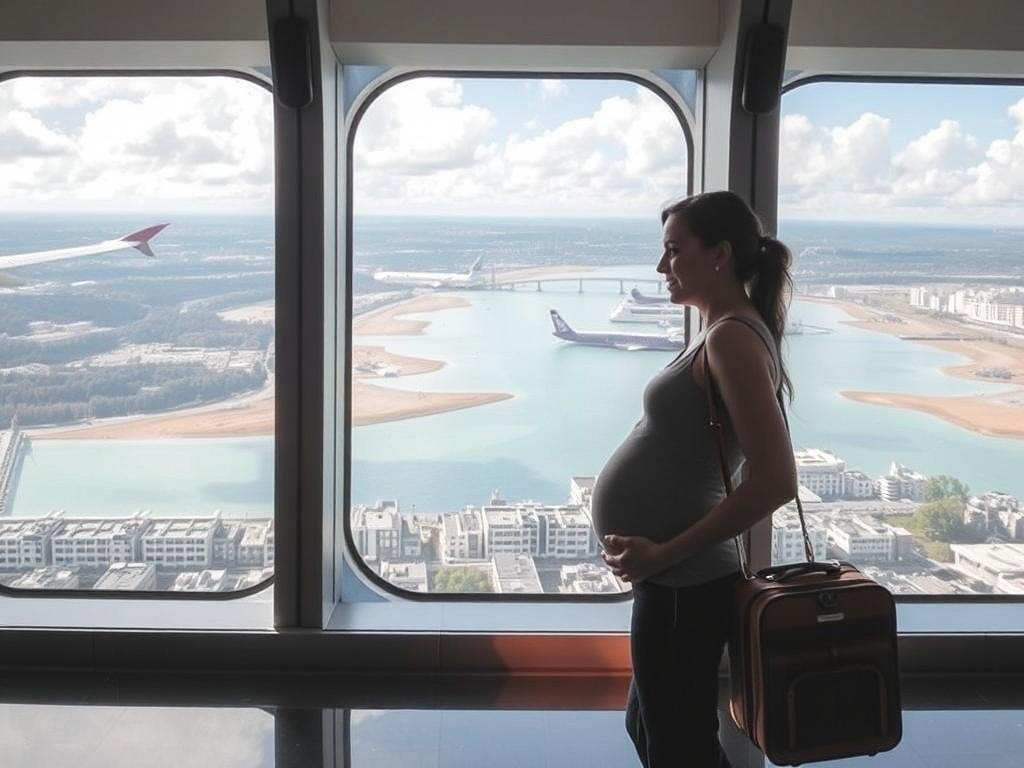
Travel can be exhilarating and anxiety-inducing at the same time when you’re expecting. Whether you’re planning a babymoon, a family visit, or a work trip, the key is preparation: understanding risks, speaking with your healthcare provider, and packing smart so you can focus on the experience rather than worrying about what might go wrong.
This article walks through trimester-by-trimester considerations, transportation modes, medical documentation, safety precautions, and real-world strategies that make travel more comfortable and safer for both you and your baby. Read on for practical checklists and examples you can adapt to your own trip.
Deciding whether to travel
The first step is a candid assessment of your pregnancy and the trip. Early pregnancy symptoms, a history of complications, long travel distances, or destinations with limited medical care can all change the decision. Start by listing your concerns and the logistical aspects of the trip—flight duration, distance to the nearest hospital, activities planned—and bring that list to your prenatal appointment.
Your provider will weigh your individual risk factors against your desire to travel. Many pregnant travelers find the second trimester the most comfortable window, but every pregnancy is different. A frank conversation with your clinician should clarify whether travel is advisable and whether any extra precautions are needed.
Trimester-by-trimester considerations
First trimester: nausea, fatigue, and the still-evolving pregnancy can make the earliest weeks unpredictable. Miscarriage risk is higher in early pregnancy; while travel itself doesn’t increase that risk, the emotional impact of experiencing any complication away from home is significant. If your first trimester is uncomplicated and you feel well, short trips are often manageable with planning.
Second trimester: many people call this the “sweet spot.” Morning sickness often eases, energy returns, and the uterus isn’t yet large enough to create significant difficulty with mobility. Healthcare providers commonly approve travel during this stage, but check for any new findings at your appointments that might change that advice.
Third trimester: the late weeks carry greater risk of preterm labor and other complications. Airlines and cruise lines often impose restrictions on travel after a certain week. Medical resources and distance to obstetrical care become critical considerations. If you’re approaching your due date, think twice about long or remote journeys.
When pregnancy is considered high-risk
If you have conditions such as placenta previa, preeclampsia, poorly controlled diabetes, a history of preterm labor, or are carrying multiples, travel recommendations change. High-risk pregnancies can require frequent monitoring or immediate access to specialized care.
For these situations, travel may still be possible but requires more planning: a detailed plan for emergency evaluation at your destination, confirmation of nearby facilities with obstetric capabilities, and travel insurance that covers pregnancy-related complications. Your specialist can help you create a trip-specific plan if travel is necessary.
Before you book: medical and logistical prep
Book flights and accommodations only after discussing travel plans with your provider. Ask specific questions: Are there any tests or vaccinations you need before travel? Are there medications you should take along? Do you need a medical letter for late-term travel? Getting answers up front prevents surprises later.
Beyond medical clearance, map medical facilities near your destination. Note the nearest hospital with labor and delivery services, and save contact numbers in your phone and on paper. It’s also wise to confirm how long it will take to get there from your lodging during different times of day.
Gathering medical documents
Carry a concise packet of medical information in both physical and digital form. Include a summary of your prenatal care, blood type, current medications, existing conditions, allergies, and your healthcare provider’s contact information. If you have any test results or ultrasound images that might be relevant, copies can be helpful.
Ask your provider for a brief travel letter if you will be flying late in pregnancy. The letter should state your due date, that your pregnancy is being followed, and whether there are any anticipated complications. Some airlines request a note after a certain gestational week; having one prepared eliminates last-minute stress.
Choosing a destination carefully
Select destinations with reliable healthcare access and routine sanitation. Areas with well-developed medical infrastructure reduce the risks associated with unexpected complications. Remote locales, high-altitude destinations, or places with limited emergency obstetric care warrant extra caution or might be better saved for another time.
Research travel advisories for infectious disease risks. For example, Zika virus remains a concern in certain regions and is associated with fetal complications; pregnant travelers should avoid areas with active transmission. For other vaccine-preventable diseases, consult your provider about recommended immunizations and whether they are safe during pregnancy.
Transport options and specific tips
Your mode of travel affects both comfort and medical risk. Short car trips are low-risk if you can stop frequently, whereas long flights raise concerns about immobility and deep vein thrombosis. Each option requires practical adjustments to keep you and the baby safe.
Consider travel time, expected turbulence or motion, access to restrooms, and the ability to move around. If the trip includes changes in altitude, long stretches without proper facilities, or difficult terrain, weigh those factors against your overall health and comfort level.
Air travel
Flying is generally considered safe for healthy pregnancies through much of the second and early third trimesters, though policies vary by airline. Many airlines limit travel after about 36 weeks for single pregnancies and earlier for multiples, so confirm rules with the carrier before booking and again before check-in.
Wear your seat belt across your hips and below the belly at all times when seated. Stand and walk periodically to reduce swelling and the risk of blood clots. Compression stockings, frequent leg exercises, and staying well-hydrated can lessen clot risk on longer flights.
Ask for an aisle seat if you expect frequent bathroom trips or need to stretch. Bring snacks and water on board, and keep prenatal vitamins and any prescribed medications in your carry-on. If you have a significant medical history, carry a provider’s note explaining your condition and any anticipated needs.
Driving and road trips
Road travel offers control—you can stop, stretch, and manage your schedule. For longer drives, plan frequent breaks every 1.5 to 2 hours to walk and use restrooms. Pack a cooler with water and safe snacks, and avoid long continuous stretches of sitting.
Use the lap and shoulder belt properly: the lap belt should sit under your belly, across your hips, and the shoulder belt should cross between your breasts to distribute force. Adjust the seat so you’re comfortable and maintain good posture. If driving makes you queasy, discuss safe antiemetic options with your clinician before setting out.
Train and bus travel
Trains and buses can be comfortable alternatives if they allow you to move around, access restrooms, and have fewer security restrictions than flying. When traveling by bus, expect longer immobilization without the ability to move as much as on a train, which may increase swelling and clot risk.
Choose seats near the restrooms and aisle seats so you can stand. Bring a small pillow for lumbar support and pack layers for temperature fluctuations. If the journey is overnight, ensure you have a plan for sleep that supports your back and helps prevent waking with stiffness.
Cruises
Cruise lines typically restrict travel for pregnant passengers after a certain week, often around 24-26 weeks, though policies differ by line. Ships may have limited obstetric services, and deciding to embark on a cruise means accepting potential delays in accessing specialized care if needed.
If you choose a cruise, confirm the line’s pregnancy policy in writing and understand the onboard medical capabilities. Avoid shore excursions that involve strenuous activity, high altitudes, or limited sanitation. As always, keep a local hospital plan and your medical documents close at hand.
Packing and comfort on the move
Packing smart is about accessibility and redundancy. Keep essentials in your carry-on or day bag: prenatal vitamins, prescribed medications, a small first-aid kit, snacks, water, a copy of your medical summary, and a list of emergency contacts. Dressing in layers and choosing comfortable shoes with support will help you adapt to changing conditions.
Small comforts make long trips bearable—an inflatable lumbar pillow, compression socks, noise-canceling earbuds, and a neck pillow can make a major difference. Think through bathroom access, where you’ll change clothes if needed, and how you will manage unexpected cravings or food aversions while away from home.
Seat belt and posture
Proper seat belt placement reduces injury risks and maximizes comfort. Always place the lap belt under the belly, low across the hips, and secure the shoulder belt between the breasts. Never tuck the belt behind you or above the belly, which can transfer force in a crash to the abdomen.
Maintain an upright posture as much as possible. A small rolled towel or lumbar cushion behind your lower back supports the natural curve of the spine and lessens strain. When seated for long periods, stand and walk every hour to reduce swelling and stiffness.
Health precautions and preventing complications
Pregnancy changes how your body reacts to dehydration, heat, and infection. Staying hydrated, avoiding risky foods, protecting yourself from insect-borne illnesses, and minimizing prolonged immobility are all practical steps to reduce travel-related complications.
Always consult your clinician about any new medication you plan to use and about the safety of local water and food. If you are traveling to a place with endemic infections, your provider can advise on preventive measures and whether certain vaccinations or prophylactic medications are appropriate.
Preventing deep vein thrombosis
Pregnancy increases the risk of blood clots, and long periods of immobility—such as on long flights or drives—exacerbate that risk. Wear graduated compression stockings on trips over two hours and do ankle pumps and leg stretches regularly to keep blood flowing.
If you have a personal or family history of clots, recent surgery, or thrombophilia, discuss the need for additional measures such as low molecular weight heparin with your provider before travel. Keep moving, stay hydrated, and avoid crossing your legs for long periods.
Food, water, and vaccinations
Avoid raw or undercooked seafood and meats, unpasteurized dairy products, and questionable street food, especially in places where sanitation is uncertain. Stick to bottled or properly treated water for drinking and brushing teeth if local water quality is suspect.
Seasonal influenza vaccination and Tdap (to protect newborns against pertussis) are recommended during pregnancy in many countries; discuss timing with your provider. Live vaccines (like yellow fever) are generally contraindicated in pregnancy, so avoid travel to areas that require them if you can. If travel to such areas is unavoidable, your clinician and travel medicine specialist will help weigh risks and alternatives.
Handling emergencies and unexpected situations
Create an emergency plan and leave a copy with someone at home. Include your travel itinerary, the contact information for your healthcare provider, the phone number of local emergency services at your destination, and your travel insurance policy number. Knowing who to call and where to go removes confusion under stress.
Consider emergency medical evacuation coverage if you’re traveling to remote areas. Evacuation to a facility capable of handling pregnancy complications can be costly; insurance policies that include pregnancy-related events are worth the expense for some travelers.
What to do if labor starts early
Recognize the signs: regular contractions, leaking fluid, or significant bleeding require immediate attention. If you experience any concerning symptoms, seek care at the nearest medical facility rather than waiting. Early labor away from home can be frightening; your prior planning—knowing where to go and having contacts—will make the process faster and less chaotic.
If you’re unsure whether contractions are real labor or Braxton Hicks, call your provider for guidance. They can advise whether to stay put, go to a local clinic, or return home. Keep a small hospital bag within reach so you can leave quickly if necessary.
Managing discomfort while traveling
Nausea, heartburn, and swelling are common travel companions during pregnancy. Simple measures—eating small, frequent bland snacks, elevating your feet when possible, and avoiding heavy meals before travel—can ease symptoms. Over-the-counter remedies should only be taken after discussing them with your clinician.
Bring anti-nausea strategies that have worked for you, whether ginger candies, acupressure wrist bands, or prescribed medications. For heartburn, avoid spicy or greasy foods and consider travel-sized pillows to prop a slightly elevated sleep position when resting in hotels or guest rooms.
Motion sickness and remedies
Motion sickness affects many people and may be more pronounced during pregnancy. Nonmedication strategies include focusing on the horizon, choosing a seat with fewer movements (front of a car or over the wings of a plane), and using acupressure bands. Stay hydrated and avoid heavy or greasy foods before travel.
If nonpharmacologic methods fail, check with your healthcare provider about safe medications. Some antihistamines and antiemetics are used in pregnancy, but always get explicit approval before taking them while traveling.
Traveling with other children or family

Traveling while pregnant often means coordinating childcare for older children. Plan realistic expectations and build in quiet time for you to rest. If you’re the primary caregiver, consider splitting responsibilities with a partner or friend to reduce lifting, chasing, and night-time disruptions that can make pregnancy harder.
Bring copies of vaccination records and emergency contacts for any children traveling with you. Pack extra supplies—diapers, snacks, and a change of clothes—so you can handle unexpected delays without added stress. If a child becomes ill, have a plan for medical evaluation that won’t jeopardize your own care.
Pregnancy and travel insurance
Review travel insurance options carefully for pregnancy-related coverage. Look for policies that explicitly cover complications of pregnancy, emergency obstetric care, and medical evacuation. Policies vary widely, so read exclusions and limits closely before purchasing.
Buy insurance soon after booking your trip if you want coverage for cancellations due to pregnancy complications. Many policies offer add-ons for pre-existing conditions or pregnancy; ask insurers for written confirmation of what they will cover so you’re not surprised mid-trip.
Real-life examples and author experience

I traveled for a family reunion during my second trimester and learned the value of a simple, portable plan. I asked my provider for a written note with my due date and a summary of my pregnancy, packed a small medical folder, and identified the nearest hospital before leaving. That small preparation made me far more relaxed.
On the flight home, regular walks up and down the aisle and compression socks kept swelling to a minimum. When my mother needed me to pick up a small child from a crowded terminal, having a stroller helped avoid heavy lifting. It wasn’t glamourous, but the trip felt manageable because I expected the little annoyances and planned around them.
Another friend, pregnant with twins, canceled an international trip after consulting her obstetrician. She prioritized access to hospital care and avoided the stress of long travel. That proactive decision gave her peace of mind and allowed for a safer late-pregnancy period near specialized care.
Special situations: international travel and border crossing
International trips introduce additional complexities: different health systems, language barriers, and, sometimes, required vaccinations. Check entry requirements and any health advisories well in advance. Contact the nearest embassy or consulate if you need assistance locating medical services abroad.
If your trip requires a vaccine that is contraindicated in pregnancy, discuss alternatives. In some cases, postponing nonessential travel is the prudent choice. If travel is unavoidable, work with your clinician and a travel medicine specialist to minimize risk and plan for contingencies.
Packing checklist
- Medical summary and prenatal records (copies and digital)
- Provider’s travel letter, if recommended
- List of medications and dosages
- Prenatal vitamins and any prescribed meds in carry-on
- Comfort items: neck pillow, lumbar roll, compression stockings
- Snacks, water bottle, and safe food options
- Simple first-aid supplies and motion-sickness aids you’ve preapproved
- Copies of travel insurance and emergency contact list
- Appropriate footwear and layered clothing
Keep these items accessible during transit rather than packed in checked luggage. In case of delays or lost baggage, these essentials let you manage until your suitcases arrive.
Quick reference: common airline and cruise cutoffs
| Situation | Typical guideline |
|---|---|
| Single pregnancy, domestic flights | Many carriers allow travel up to about 36 weeks—verify with the airline. |
| Multiple pregnancy | Some carriers restrict travel earlier, often around 32 weeks; medical clearance commonly required. |
| Cruises | Many lines restrict embarkation after mid-second to early third trimester—check specific policy. |
These are general observations rather than hard rules. Always confirm directly with your airline or cruise operator well before travel, as policies change frequently and may have specific documentation requirements.
Special advice for specific concerns
If you have gestational diabetes, plan how you will monitor blood sugar while away from home. Bring testing supplies, written guidelines for insulin adjustments if applicable, and pre-arranged dietary options. Inform travel companions of your needs so there’s no delay accessing appropriate foods and medications.
For those with hypertension or a history of preeclampsia, monitor blood pressure before and during travel. Request instructions from your provider about when to seek care for high readings, headaches, or visual changes. These symptoms warrant prompt evaluation and should not be ignored while traveling.
Communication and self-advocacy
Don’t be shy about stating your needs. Requesting aisle seats, extra legroom, or assistance with luggage is reasonable and can be done politely. Airline and hotel staff generally appreciate clear requests and will often accommodate pregnant travelers where possible.
If you feel unwell at any point, advocate for timely care. Local doctors and hospitals are accustomed to treating travelers, and your prior preparation—medical summaries, travel insurance information, and a plan—will support faster, more coordinated care.
Preparing your home and finances
Before you leave, arrange for someone to check on your home, collect mail, and handle emergencies. If travel insurance is purchased, inform your insurer of the trip’s dates and any medical history relevant to coverage. Keep copies of receipts for any medical expenses abroad, as insurers often require documentation for claims.
If leaving older children or pets in the care of others, ensure caregivers have clear instructions and emergency contacts. Knowing your home life is handled allows better rest and reduces stress while you’re away.
What to expect on return
Jet lag, fatigue, and the post-travel catch-up can affect your well-being after you return. Plan a day of rest before resuming normal activities or attending prenatal appointments. If you had any medical visits while away, bring copies of reports to your next prenatal visit so your provider has complete information.
If you experienced symptoms while traveling—bleeding, contractions, severe swelling, or decreased fetal movement—contact your healthcare provider immediately upon return, even if they resolved. Timely follow-up ensures no complications are missed.
Mindset and flexibility
Travel during pregnancy can be deeply rewarding, but it also requires a flexible mindset. A delayed flight, sudden change in plans, or a need to cut a trip short are inconveniences that are easier to handle when you’ve built contingency plans into your itinerary.
Enjoy the parts of travel you can control—good books, interesting walks, gentle sightseeing—and leave room for rest. Prioritizing well-being makes for richer memories and a safer journey overall.
When you return to your routine, keep the documentation and memories of the trip as part of your pregnancy story. Whether you traveled far or stayed nearby, the choices you make now—balanced with advice from your healthcare team—help ensure both you and your baby stay safe and comfortable on the road.

 Sleep solutions for each trimester: practical strategies for better rest
 Pack smart, not frantic: your practical hospital bag guide