
Bringing a baby home is thrilling and a little terrifying all at once. You want the space to feel warm and lived-in, yet secure enough that a tumble, a curious hand, or a distracted moment won’t turn into an emergency.
This article walks through practical, evidence-based steps to make your home safe for a newborn — from nursery basics and safe sleep to kitchen and bathroom hazards, emergency prep, and how to pace the work so you don’t burn out in the last trimester. Read it as a map you can follow, adjust for your living situation, and return to when questions pop up.
Start with the nursery: the foundations of safety
The nursery is a natural place to begin because it’s where your baby will sleep and spend many early hours. Focus on sleep safety first: a firm mattress that fits the crib snugly, a fitted sheet only, and no soft bedding, pillows, bumper pads, or stuffed animals in the sleep surface.
Choose a crib that meets current safety standards; avoid secondhand cribs with drop sides or missing labels. Check the spacing between slats (no wider than 2 3/8 inches) and confirm that screws and hardware are secure and unmodified.
Position the crib away from windows, cords, curtain ties, and blind pulls. Those cords can be a strangulation hazard even for a newborn who isn’t moving much yet, and a curious toddler or visiting pet could pull something down.
Mattress, bedding, and wearable blankets
Buy a firm, well-fitting crib mattress and a handful of fitted sheets. A soft mattress or a loose cover increases the risk of suffocation, so resist temptation to add extra padding or sleep positioners.
Swaddles and wearable blankets are safer than loose blankets. As babies grow and start to roll, transition away from swaddling. Keep room temperature comfortable — ideally between 68°F and 72°F — to avoid overheating.
Furniture placement and anchoring
Secure dressers, bookcases, and changing tables to the wall to prevent tipping. Many furniture tip-overs occur when a child climbs on a lower drawer or when an adult leans on the top while reaching.
Keep changing supplies within arm’s reach but never leave the baby unattended on a changing table. Use a safety strap during diaper changes and always have your hand on the child during quick steps like reaching for a wipe.
Safe sleep: reducing the risk of SIDS and unsafe sleep practices
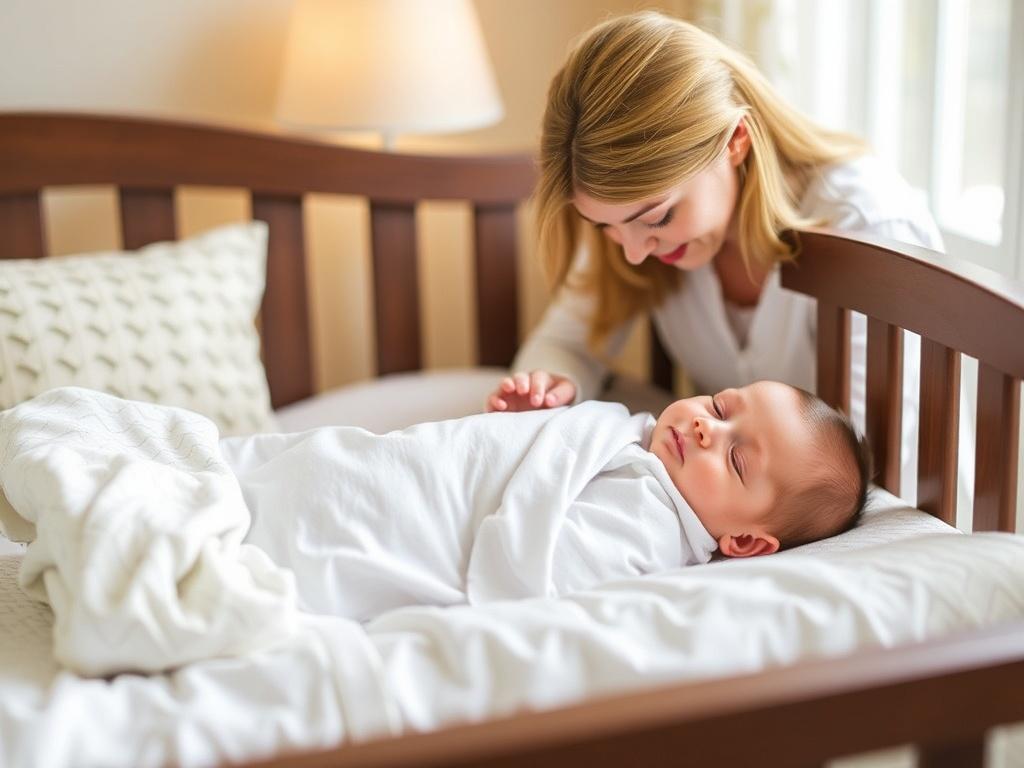
Safe sleep practices are one of the most important safety measures you can take. The American Academy of Pediatrics recommends placing babies on their backs for every sleep, sharing a room (not a bed) for the first six months, and using a firm sleep surface with nothing else in the crib.
Consider a bedside bassinet for the early weeks if you want proximity for nighttime feeding. Room-sharing reduces SIDS risk and makes middle-of-the-night feedings far easier while allowing the baby to have their own safe sleep space.
If you plan to use a monitor, remember it doesn’t replace safe sleep practices. Monitors help you be more aware, but they don’t mitigate the need for a clear, unencumbered crib and appropriate sleep positions.
When to use sleep aids and how to avoid hazards
Products that claim to reduce flat-head syndrome, wedge the baby, or otherwise modify sleep position are often unproven and sometimes dangerous. Avoid inclined sleepers and untested accessories unless they have documented safety approval for sleep use.
If you’re concerned about head shape or reflux, discuss options with your pediatrician before buying devices. Many concerns can be handled through supervised tummy time, feeding adjustments, and positioning during awake periods.
Whole-house baby proofing: a room-by-room approach
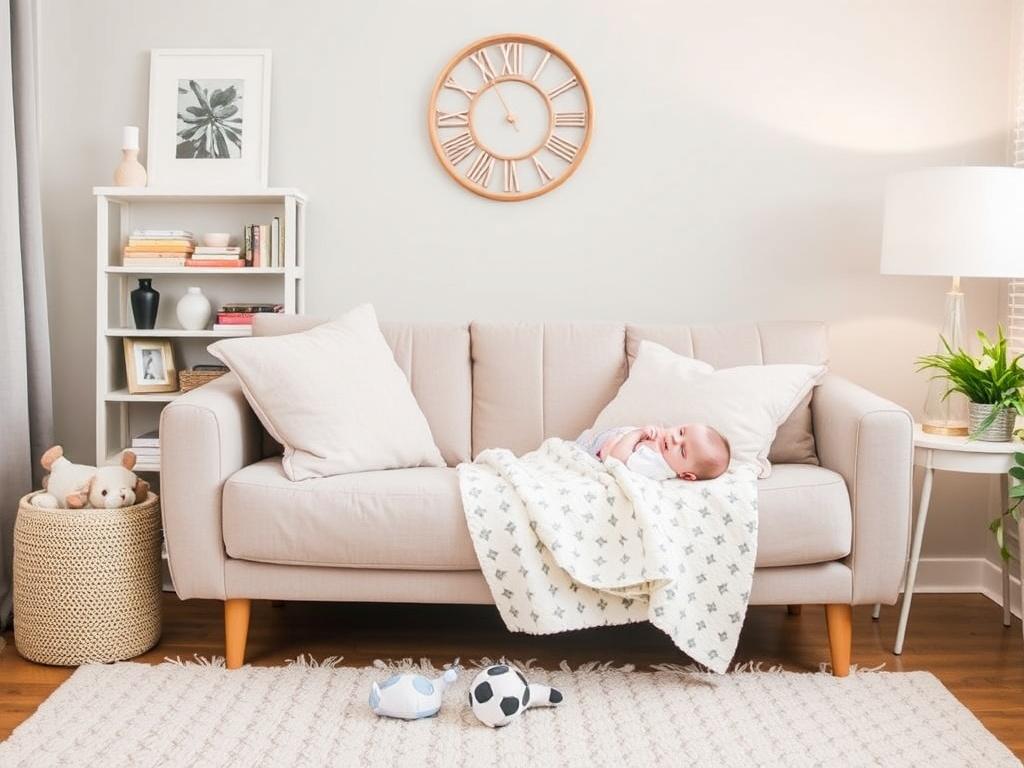
Baby proofing is easiest when you think in zones: what hazards live in each room, who interacts with that room, and what behaviors the baby is likely to exhibit there. Start with the main living area, kitchen, bathroom, and any high-traffic pathways.
Begin with simple, high-impact fixes: outlet covers, cabinet locks, secure cords and curtains, and baby gates. Prioritize actions that reduce the most common household injuries: falls, burns, poisoning, and choking.
Living rooms and play areas
Anchor televisions and media consoles to the wall and keep small objects out of reach. Babies explore with their mouths, so anything within crawling range that fits through a toilet paper roll could be a choking hazard.
Use corner protectors on low furniture, and pick rugs with non-slip backing or add rug pads. A padded play mat is great for supervised tummy time, but keep it away from cords and heaters.
Stairs, gates, and barriers
Install gates at the top and bottom of staircases as soon as your child can sit or crawl. Hardware-mounted gates are safer for the top of stairs; pressure-mounted gates are sometimes appropriate at the bottom.
Check latch mechanisms regularly and teach older children how to use gates properly. Gates with climbable slats or poorly spaced bars can create new fall risks, so choose models with solid safety ratings.
Kitchen safety: where everyday routines become risky
The kitchen combines heat, sharp objects, and cleaning chemicals — a minefield for a curious infant as they grow into toddlerhood. For newborns, the main focus is preventing accidents when you’re carrying the baby while cooking or handling hot liquids.
Use the back burners when possible and turn pot handles inward. Keep hot drinks and pans well away from table edges and counters where a toddler could pull them down while you’re distracted nursing or changing a diaper.
Cabinet locks and safe storage
Lock cabinets that contain knives, small appliances, alcohol, or cleaning products. A magnetic or latch-style lock can keep little hands out while allowing adults easy access.
Store medications and sharp tools above eye level or in locked drawers. If you use a microwave on a counter, place it where a child can’t reach it when they start to stand.
Appliance safety and grills
Keep small appliances unplugged and cords tucked out of reach. When the grill or oven is in use, keep your baby in a safe room with a gate or a secure carrier instead of carrying them near open flames or hot surfaces.
Avoid using heavy tablecloths where a child can yank and bring hot dishes down. Simple swaps — placemats, no tablecloth — significantly reduce burn risks once the baby becomes mobile.
Bathroom hazards and water safety
Bathrooms combine slippery surfaces and water, which can be a dangerous combination. Even a few inches of water can be hazardous for a baby, so never leave your child unattended, not even for a moment, during bath time.
Set your water heater thermostat to 120°F or lower to reduce the risk of scalding. Test bathwater temperature with your wrist or a thermometer; it should feel warm, not hot.
Toilet locks, non-slip mats, and storage
Install a toilet lock if you have curious older children in the home. Place non-slip mats in tubs and on the bathroom floor to prevent slips when you’re handling a fussy baby.
Keep medicines, razors, and cosmetics in locked or high cabinets. Small items like hair ties, cotton swabs, and contact lens cases are choking risks and should be out of reach.
Car seat and travel safety
A properly installed car seat is non-negotiable from day one. Newborns should ride rear-facing in a seat that fits their size and weight, and the seat should be installed according to the vehicle and manufacturer instructions.
Have your car seat checked by a certified technician if you’re unsure. Many fire stations, hospitals, and community centers offer seat checks and can correct common installation errors like loose harness straps or incorrect angles.
Choosing the right seat and set-up
Infant-only seats offer a detachable carrier, which many parents find useful for moving a sleeping baby without disturbance. Convertible seats can be used rear-facing for longer, which is safer as babies grow and become heavier.
Make sure the harness is snug, with the chest clip at armpit level and the straps flat without twists. Use the seat without extra padding that didn’t come with the seat, unless the manufacturer specifically allows it.
Poison prevention and safe storage of chemicals
Poisoning is preventable with consistent, high-up storage of medications, cleaners, and other hazardous substances. Keep everything in original child-resistant containers and out of reach and sight.
Create a household inventory of hazardous items — medications, alcohol, essential oils, batteries, and antifreeze — and store the list where caregivers can access it easily in an emergency.
Emergency numbers, poison control, and first aid
Post emergency numbers on or near your phone and program them into your mobile devices. The Poison Control Center in the U.S. is reachable at 1-800-222-1222 and can guide you through exposures quickly.
Build a basic first aid kit and include supplies for infants such as a digital thermometer, infant acetaminophen (only with pediatrician advice), and adhesive bandages. Take an infant CPR course so you know how to respond if something goes wrong.
Electrical safety, cords, and outlets
Cover unused outlets with tamper-resistant receptacles or plastic plugs. When your baby starts to explore, outlets become an obvious target, and tamper-resistant outlets are required in many new homes for good reason.
Tuck electrical cords out of reach and use cord shorteners or safety covers. Avoid running cords under rugs or across high-traffic areas where they can fray or trip someone.
Smart devices, monitors, and privacy considerations
Baby monitors and smart cameras are incredibly useful, but they need secure passwords and the latest firmware to prevent unauthorized access. Change default passwords and enable two-factor authentication if available.
Place cameras in sleeping and common areas where they won’t capture private moments of guests or older children without consent. Balance convenience with privacy and safety concerns.
Pets and newborns: introductions and boundaries
Pets can be loving companions, but they need an adjustment period when a new baby arrives. Before the baby comes home, play recordings of baby noises, and gradually reintroduce scents by bringing home a blanket that smells like the newborn from the hospital.
Never leave a pet alone with a baby. Dogs, even well-trained ones, can react unpredictably to a newborn’s scent, sudden movements, or crying. Establish supervised interactions and a pet-free sleep zone for the baby.
Managing pet behavior and space
Create designated pet areas with comfortable bedding and toys to make the baby’s arrival a less threatening disruption. Reward calm behavior around the baby with treats so pets learn a positive association.
Keep litter boxes, pet food, and waste out of baby reach and maintain rigorous hand hygiene after handling animals. Zoonotic diseases are rare, but careful hygiene reduces risk considerably.
Cleaning products, air quality, and allergens
Use mild, unscented cleaning products in the baby’s environment when possible. Harsh chemicals and strong fragrances can irritate a newborn’s developing airways and skin.
Consider running a HEPA filter if anyone in the home has allergies or asthma. Regularly wash bedding and soft toys in hot water to reduce dust mites, and vacuum with a HEPA-capable machine to minimize particulates.
Safe laundry practices
Use baby-friendly detergents and avoid fabric softeners that can leave residues. Rinse cycles should be complete to minimize leftover soap on clothing and bedding that could irritate sensitive skin.
Store laundry pods and detergents securely. Laundry pods look like candy to a toddler and are a common source of poisoning and eye injuries.
Visitors, hand hygiene, and illness prevention
Newborns have immature immune systems, so set boundaries with visitors. Ask them to wash their hands, avoid visiting if they’re sick, and delay face-to-face contact if they’ve had contagious illnesses recently.
It’s reasonable to request vaccinations for certain infections if you have concerns, especially whooping cough (pertussis) and the flu. Many families ask visitors to wear a mask during high-transmission seasons as an extra precaution.
Managing sibling and grandparent enthusiasm
Prepare older siblings and grandparents with gentle guidance: where to touch, where not to touch, and how to handle the baby. Demonstrate safe ways to hold and hand off the baby to reduce anxious moments.
Provide hand sanitizer near entryways and encourage a quick clean-up routine. A clear, kind script for visitors — for example, “Please wash your hands before holding the baby” — reduces awkward conversations.
Monitoring development and adapting the environment
Baby proofing is an evolving process. A home that’s safe for a newborn will need new measures once the baby rolls, sits, crawls, and pulls to stand. Reassess your spaces every few months and after developmental milestones.
Keep a small stock of essential safety items as the child grows: additional gates, outlet covers, cabinet locks, and new latches. Updating your setup is usually simpler and cheaper than emergency fixes after an incident.
Checklist by timeline: what to do when
Make a timeline for the last trimester, the first two weeks, and the first six months to avoid last-minute stress. Prioritize sleep safety, car seat installation, and a stocked first aid kit before the due date.
After the baby arrives, shift focus to mobile hazards and supervision strategies. Expand baby-proofing efforts as your child becomes more active and curious about the world.
Essential items table: quick reference for the first two months
The table below lists essential items to have ready before the baby arrives. Think of this as a streamlined shopping list and a sanity saver on late-night feedings and diaper changes.
| Category | Item | Why it matters |
|---|---|---|
| Sleep | Crib or bassinet, firm mattress, 3–5 fitted sheets | Safe, comfortable sleep surface; multiple sheets for spills |
| Transportation | Rear-facing car seat | Legal requirement and major safety factor for travel |
| Diapering | Changing pad, diapers, wipes, diaper rash cream | Frequent changes keep baby comfortable and reduce rashes |
| Feeding | Breast pump or bottles and sterilizing tools | Convenience and backup for feeding and expressed milk |
| Health | Thermometer, basic first aid kit, emergency contacts | Quick response to fever or minor injuries |
Step-by-step checklist you can follow
Below is an ordered sequence to help you tackle safety tasks in manageable chunks. Follow it over several weekends rather than trying to do everything in a single marathon session.
- Install and check the car seat; have it inspected if possible.
- Set up the crib or bassinet with a firm mattress and fitted sheets.
- Anchor furniture and secure cords, blinds, and curtain pulls.
- Install smoke and CO detectors and change batteries or templates if needed.
- Secure cabinets with chemicals, lock up medicines, and store small items above reach.
- Install gates for stairs and designate play spaces on safe flooring.
- Create an emergency contact list and stock a first aid kit; take CPR/first aid classes.
Real-life perspective: what helped me after my first baby arrived
Speaking from experience, the two changes that saved my sanity were a well-stocked diaper station and having a bedside bassinet. Those small conveniences let me focus on sleep and feeding without constant, clumsy trips across the house.
Another lesson: accept help. Friends and family offered cooked meals, laundry, and short check-ins that kept the household functioning when sleeplessness made everything harder. Accepting help freed time to tune into safety tasks that needed calm attention.
Financial considerations and where to save
Safety doesn’t require the most expensive gear. Look for certified, reviewed basics and prioritize items with proven impact: a good car seat, a safe sleep surface, smoke detectors, and cabinet locks.
Save on decorative or non-essential items until your baby is older. Secondhand gear can be fine for some items, but avoid used car seats of unknown history, secondhand cribs without labels, or anything with a recalled design.
Smart buys and items to skip
Buy new for anything with expiration dates or unknown crash history (like car seats). You can rent a larger convertible car seat later if needed, but prioritize a correctly installed, age-appropriate seat from the start.
Skip trending gadgets that promise miracle results for sleep or head shape. Focus spending on safety certifications and practical items that reduce daily risk and stress.
When to ask for professional help
Call professionals when installation or structural changes are beyond your comfort level. Electricians, certified car-seat technicians, and contractor services for handrail or stair modifications can prevent hazards that DIY attempts might introduce.
If behavioral or developmental concerns arise, contact your pediatrician early. Early guidance about feeding, sleeping, or motor skills can steer you away from unnecessary interventions and toward effective strategies.
Final preparations: the week before bringing baby home
In the last week, do a final sweep: check batteries in detectors, verify the car seat, and place essentials in easy-to-reach spots. Pack the hospital bag and make sure the baby’s going-home outfit is ready and safe for travel.
Set up a communication plan for the first days: who will bring meals, who can pick up groceries, and who can help with older children or pets. The logistics you arrange now become small mercies during those first sleepless nights.
Keeping safety a habit as your child grows
Safety is not a one-time task but a habit of anticipation. Keep adapting your home as your child learns to sit, crawl, climb, and open doors. Simple monthly checks and updating a checklist after milestones keep you ahead of common hazards.
Document changes you make and keep spare parts like extra outlet covers and gate hardware handy. When something breaks or a new need appears, you’ll handle it quickly rather than letting a gap persist.
Preparing Your Home for a Newborn: Safety Checklist is a practical, ongoing effort that pays off in peace of mind and a safer start for your family. Prioritize sleep safety, secure the big risks first, and build routines that keep hazards minimized as your baby grows.
Every home and family is different, so adapt these recommendations to your layout and needs. With a sensible plan and a few safety staples done early, you can focus more of your energy on the joy of meeting your new child.

 Vaccinations recommended during pregnancy: protecting two lives at once
 Facing the light: maternity photography that honors the journey
 The psychology of pregnancy dreams: what your nighttime mind is doing
 Prenatal classes: what to expect and which to choose — a practical guide