
Maternity photography is more than a portrait; it is a record of change, a quiet archive of anticipation, and sometimes a celebration of resilience. In the span of a few images you can tell a story — the curve of a belly, the way a partner reaches across a shoulder, the distracted grin of a toddler who doesn’t yet understand why everything has slowed down. This article walks through the practical, technical, and emotional elements that make such sessions meaningful, offering concrete advice whether you’re an expecting parent planning a shoot or a photographer who wants to capture these moments with care.
Why maternity photos matter
Photographs from pregnancy often become a family’s private time capsule. They preserve a particular shape of life: the liminal period between two identities, when someone is both themselves and someone’s parent-to-be. Years later those images can be surprising in their intimacy; they remind parents that they were once smaller, that they waited, that they prepared.
Beyond nostalgia, maternity sessions serve psychological and social purposes. For many clients, being photographed affirms the changes their body has undergone and can boost body confidence. Photographs also communicate family transitions to friends and relatives, and they provide material for baby books, announcements, and nurseries.
For photographers, these sessions offer a unique creative challenge. You must blend portrait technique with documentary sensitivity and be ready to accommodate energy levels, comfort, and sometimes unpredictability. That intersection — craft plus care — is what makes this genre rewarding.
Planning the session
A successful shoot begins long before the shutter clicks. Planning addresses timing, location, wardrobe, and the client’s emotional needs. Take time to discuss expectations and boundaries so you and your clients arrive with a shared vision.
Start with a pre-shoot consultation. Use it to look at inspiration images, ask about medical concerns, estimate wardrobe needs, and set a timeline. This conversation reduces surprises and lets you suggest ideas tailored to the family’s style and energy.
Timing and trimester choices
Most photographers recommend scheduling between 28 and 34 weeks, when the belly is clearly round but the expectant parent usually still feels relatively comfortable. That window hits a balance between visible form and mobility. Waiting past 36 weeks can increase the chances of last-minute labor or discomfort that makes posing hard.
Some clients prefer an earlier session, around 20–24 weeks, because they enjoy a subtler silhouette or want to pair images with ultrasound photos. Others like multiple sessions: a bump shoot and then a newborn session to complete a visual narrative. Offer options and explain trade-offs so clients can choose what fits them best.
Location: studio vs. lifestyle
Location sets the mood. A studio gives you control over light, background, and temperature; it’s ideal when clients want stylized portraits or dramatic lighting. A lifestyle shoot — at home or on location — produces natural, lived-in images that feel candid and personal. Choose based on the look the clients want and on practicalities like travel and accessibility.
When evaluating locations, think about comfort and cleanliness. Homes should have enough space for a quiet corner or a bed area that can be tidied. Outdoor locations require contingency plans for weather and privacy concerns. Always scout or request photos of the home beforehand to plan angles and light.
| Studio | Lifestyle (home/outdoor) |
|---|---|
| Controlled lighting and temperature | Natural light, authentic surroundings |
| Consistent backgrounds | Personal details provide storytelling |
| Better for formal wardrobe | Works well for casual, documentary images |
| Requires travel for clients | May need permits or privacy checks outdoors |
Wardrobe and styling
Wardrobe can make or break a session. Suggest garments that emphasize the belly’s curve without hiding it entirely: fitted gowns, wrap dresses, and high-waisted skirts can be flattering. Solid colors and simple textures usually read better on camera than busy patterns that distract from the subject’s face and form.
Encourage clients to bring multiple options: a flowing gown for dramatic silhouettes, a casual outfit for lifestyle moments, and a classic form-fitting top for intimate portraits. Remind them to choose garments they feel comfortable in; confidence shows in posture and expression. Offer a styling guide with photos to reduce decision anxiety before the shoot.
Posing and composition
Good posing feels effortless, but it’s built on thoughtful direction. Your job is to find stances that flatter the body, convey connection, and hide discomfort. Small adjustments in torso angle, hand placement, and leg position can transform an image.
Use composition to emphasize relationships. Framing that includes hands cradling the belly, a partner’s forehead rested against a temple, or a wide shot of a whole family arranged in a gentle curve tells different stories. Vary shot distances so the final gallery has intimate close-ups and wider environmental portraits.
Flattering poses for different body types
Not every pose suits every body, so tailor direction. For someone with a shorter torso, raising the chin slightly and elongating the neck can help balance the frame. Side profiles are classic because they clearly define the belly; encourage a slight twist of the shoulders toward the camera to avoid a flat silhouette.
For clients who are self-conscious about arms or thighs, use layering and arm placement to create flattering lines: bring the arm forward and slightly bent, rest a hand atop the belly, or let a shawl drape to break up the silhouette. Always avoid heavy instructions that make people feel awkward — demonstrate the pose yourself if it helps.
Using light to sculpt the belly
Light sculpts form. Side light, whether from a window or a soft studio source, reveals curves and creates depth. Backlight with a rim light can create a halo effect and emphasize the belly’s outline while softening skin texture. Balance contrast so features don’t get lost in shadow or blown out in highlights.
Modify light with reflectors or diffusion to control shadow strength. A large softbox or a sheer curtain in front of a window will create gentle, flattering light that feels intimate. If you shoot outside, aim for golden hour or open shade to avoid harsh midday highlights and squinting.
Including partner, siblings, and extended family
Family presence changes the session’s tone. Partners can add tenderness and a narrative about shared anticipation. Children bring playfulness, distraction, and sometimes delightful unpredictability. Plan for transitions between posed couple shots, family groupings, and individual portraits.
With toddlers and older children, schedule early in the day when they’re more likely to cooperate. Keep sessions brief when small children are involved and consider splitting the shoot into two parts: one for the expectant parent and partner, and another for family scenes. Offer guidance to parents on engaging children — simple prompts like “show the baby your belly kiss” often work better than scripted direction.
Props, fabrics, and wardrobe details
Well-chosen props and fabrics extend the language of a photo without overwhelming it. A flowing chiffon drape can create movement; a favorite blanket or sonogram image personalizes a frame. Choose props that have emotional meaning rather than decorative gimmicks.
Textures photograph differently than colors. Velvet and knitwear absorb light, creating cozy images; silk and satin reflect, adding sheen and a formal feel. Keep the palette cohesive — neutral tones and a single accent color tend to photograph consistently across a gallery.
Emotional storytelling and candid moments
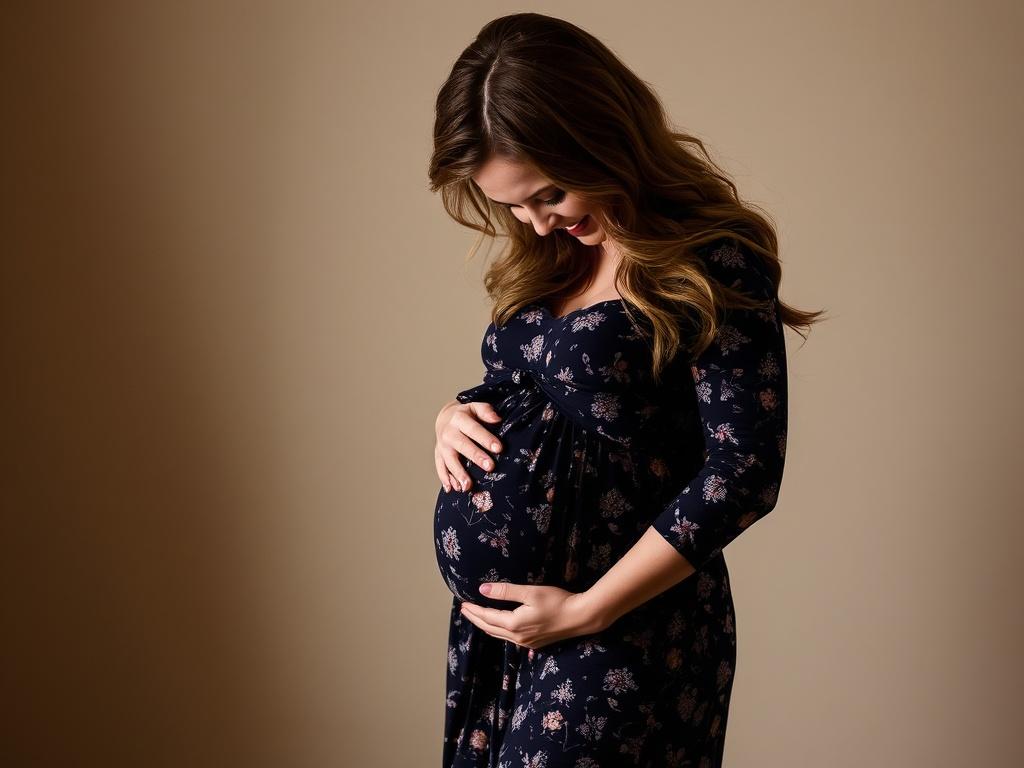
Some of the best maternity images happen when people forget the camera. Laughter over a private joke, a silent exchange of hands, or a paused moment of thought can be more revealing than the most carefully posed portrait. Your role is to quietly observe and be ready to capture those instants.
Encourage storytelling prompts to generate authentic reactions: ask partners to whisper a memory, have a parent read a favorite children’s book aloud, or invite the family to dance slowly to a song. These actions bridge posing and documentary work, producing images that feel lived-in.
Technical considerations: camera, lens, settings
Equipment choices matter but they aren’t the whole story. A reliable body with good low-light performance and sharp lenses will make your job easier, especially for indoor lifestyle shoots. Prime lenses in the 35mm–85mm range are favorites for maternity work because they balance intimacy with compression.
Shoot in RAW to retain maximum latitude for editing. For portraits, aim for a shutter speed that freezes motion from breathing or mild movement — 1/125s is often enough when paired with steady technique. Use a moderate aperture like f/2.8–f/5.6 to keep the face and belly in focus while isolating the subject from the background.
- 50mm or 85mm for flattering head-and-shoulder and half-length portraits.
- 35mm for environmental or full-body shots in tighter spaces.
- Consider a zoom like 24–70mm for flexibility during lifestyle shoots.
Lighting gear and modifiers
Natural light is forgiving and often the fastest route to an authentic look, but studio lighting gives consistency. Use a large softbox or umbrella for a soft portrait light and add a reflector opposite the key light to lift shadows. For rim-light silhouettes, a small speedlight with a grid behind the subject can separate them from the background.
Keep gear minimal in home sessions to avoid clutter and stress. Clients may be worried about cords and lights; a compact off-camera flash with a diffuser can provide enough control without turning the living room into a studio. Always ask permission before rearranging furniture.
Post-processing and editing style
Your editing choices define the final mood. Decide early if you’ll favor warm, earthy tones, clean natural color, or moody black-and-white conversions. Keep retouching subtle: preserve skin texture, soften temporary blemishes, and avoid over-smoothing to maintain realism and dignity.
For color consistency, create or use a preset system tuned to your preferred look, then tweak each image for exposure and white balance. When converting to black-and-white, pay special attention to contrast and midtones so the belly’s form is readable and the face retains expression.
Ethical considerations in editing
Clients often ask for “perfect” retouching, but pregnancy changes are not flaws to erase. Discuss retouching limits in advance and include guidelines in your contract. Be transparent about what you will adjust — stretch marks, moles, scars, and other features can hold personal meaning and should not be removed without explicit consent.
When a client requests significant alterations, offer alternatives like tasteful lighting or posing that minimizes features they’re uncomfortable with. Honesty builds trust and protects you from misunderstandings after delivery.
Delivering images and products
Think beyond the gallery. Many clients cherish tangible keepsakes: printed albums, wall art, and fine prints. Offer product packages that pair digital files with an album or a framed print to encourage preservation of the images in physical form. Guide clients through sizing and cropping decisions for wall displays so their purchases work in their home environment.
When delivering digital galleries, provide multiple download options and include print release terms. Offer assistance with basic print ordering if clients are unfamiliar with print labs to ensure color accuracy and archival quality. Packaging the final delivery with a simple care guide helps maintain prints for years.
Business-side tips for photographers
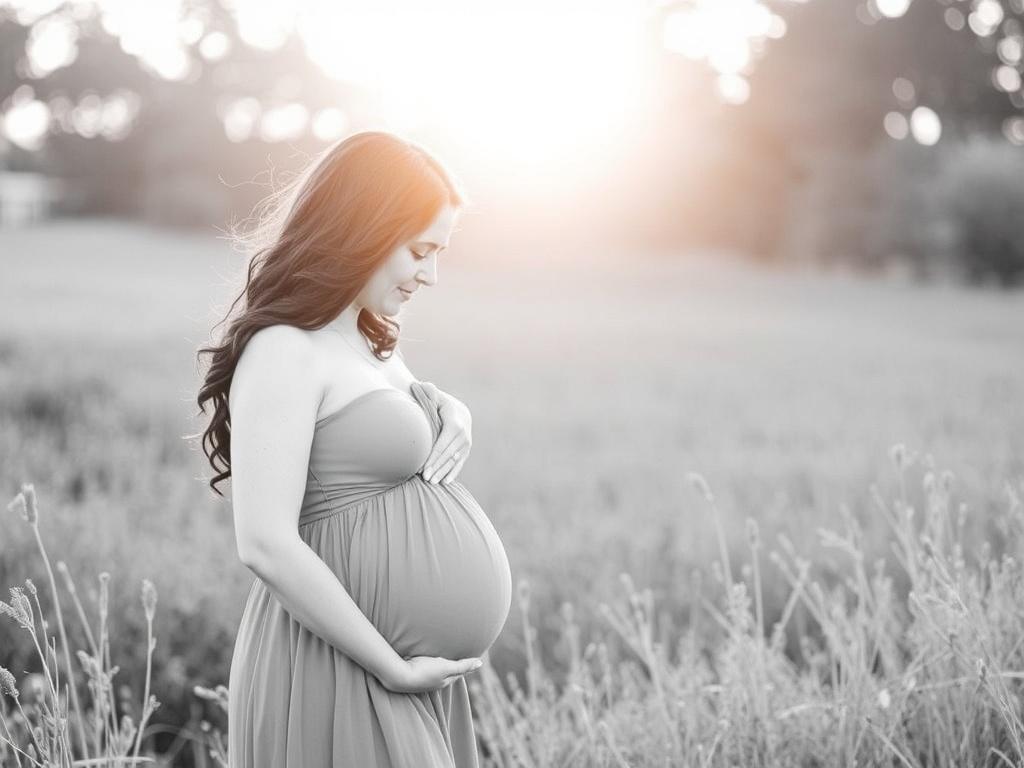
Running maternity sessions smoothly requires operational systems. Clear communication, reliable scheduling, and airtight contracts reduce stress for both photographer and client. Build templates for emails, questionnaires, and model releases to save time and ensure consistency.
- Create a pre-shoot questionnaire that covers medical concerns, style preferences, and family dynamics.
- Include a deposit policy and a simple cancellation/reschedule clause for late-term unpredictability.
- Offer package tiers: basic digital-only, digital plus prints, and a premium album option with a newborn follow-up session.
Keep backups and redundant storage for all files. A single lost gallery can destroy a client relationship. Use at least two different storage methods: local backups during editing and cloud archives for long-term retention.
Real-life examples and lessons from shoots
On a chilly November morning I shot in a couple’s small kitchen while they baked cookies between frames. Rather than insisting on pristine backgrounds, I used flour-dusted hands and an ongoing conversation to build natural moments. The final images were warm, messy, and honest — the clients told me those were the pictures they returned to again and again.
In another session, a client arrived exhausted and defensive about her changing body. I started with a quick, relaxed set of shots: a seated profile near a window and a few candids while she adjusted her scarf. After a few gentle prompts she laughed and loosened up. The rest of the session produced confident, powerful portraits; the soft start had changed the dynamic.
These experiences taught me to read energy and adapt. Sometimes the strongest images come from slowing down, offering reassurance, and letting the session unfold at the client’s pace. Flexibility and patience are as critical as technical skill.
Common challenges and how to solve them

Pregnancy shoots present specific logistical hurdles: fatigue, swelling, nausea, and last-minute labor. Anticipate these by building margin into your schedule and keeping sessions short when necessary. Offer rest breaks and bring a folding chair so clients can sit between shots.
Weather and public spaces can create privacy concerns. Choose secluded outdoor locations, secure permits when necessary, and have a portable changing tent or large blanket for wardrobe changes. For home sessions, be mindful of pets and clutter and discuss expectations in advance.
Handling discomfort and mobility issues
If a client has mobility limits, prioritize comfort and dignity. Use props like stools or beds to create seated compositions that still feel elegant. Avoid asking them to lie on their back for long stretches; instead, create angles that require minimal movement but still convey form.
When a medical condition is present, ask for a physician’s note if needed and alter your approach accordingly. Never pressure anyone into poses that cause pain or strain. Safety and trust come first; a relaxed client will yield better images than one who’s been pushed beyond comfort.
Preparing the client: what to tell expecting parents
Share a simple pre-shoot checklist to reduce stress on the day. Include suggestions for hair and makeup timing, what to pack (extra tops, tights, water, snacks), and tips for getting rest the night before. Small comforts like a favorite pillow or an outfit that feels like “them” can make a big difference.
Explain the timeline so clients know when the session will start and end, how long each segment will take, and when to expect their gallery. Provide guidance on sleep and food: a light snack before a shoot helps maintain energy, and hydration reduces swelling and fatigue. These practical details show care and professionalism.
Safety and ethical considerations
Respect and consent should guide every decision. Ask permission before touching or repositioning a client’s body, and avoid invasive poses or props that could be uncomfortable. Be transparent about how images will be used and obtain written consent for any marketing use or portfolio inclusion.
Consider health guidelines around contagious illnesses and vaccine statuses if you or the family have concerns. Offer options for outdoor sessions or limit the number of people present if someone is immunocompromised. Small adaptations protect everyone’s wellbeing and show clients you take their safety seriously.
Inclusivity and cultural sensitivity
Pregnancy is experienced differently across cultures and identities. Ask open questions about traditions, modesty preferences, or photographic taboos. When clients share cultural practices — a blessing, a ritual garment, or a naming expectation — integrate those elements respectfully rather than assuming standard Western templates.
Use inclusive language in your marketing and pre-shoot forms. Offer gender-neutral phrasing and options for nonbinary parents or families with nontraditional structures. Showing cultural awareness and inclusive care broadens who feels welcome in your studio.
Continuing the story: newborn sessions and beyond
A maternity shoot is a chapter, not the whole book. Recommend a newborn session around two weeks after birth to complete a visual timeline from pregnancy to early life. Offer bundled pricing to encourage clients to commit to a multi-session package and to make planning simpler during a hectic postpartum period.
When clients return for newborn shots, reference the maternity gallery to maintain continuity in styling and tone. That visual consistency makes albums and wall displays feel coherent and narratively satisfying. It also strengthens your relationship with the family for referrals and future work.
Photographing pregnancy requires technical craft, emotional intelligence, and a practical playbook. Whether you’re an expectant parent preparing for your first session or a photographer sharpening your approach, the best images come from listening as much as directing. Attend to comfort, collaborate on a shared vision, and let genuine moments lead the composition. Over time those images become more than pictures — they are the proof that a life changed, and that change was honored.

 The psychology of pregnancy dreams: what your nighttime mind is doing
 Prenatal classes: what to expect and which to choose — a practical guide
 Why your glass and your greens deserve equal billing