
Some people inherit a tin of coins, others find a pocketful in a jacket they haven’t worn in years. The impulse to know whether those pieces of metal are trash or treasure is immediate and satisfying. This article walks through sensible, practical steps for checking the value of old coin value checker, from the basic identification to deciding whether to seek professional grading or sell.
Why coin values change and what that means for you
Coins aren’t priced like sneakers or electronics; their value blends metal content, rarity, condition, and collector demand. A common-date silver quarter can be worth melt value one week and trade for a premium the next because of collecting interest or discovery of a hoard.
Market prices shift with economic conditions, metal prices, and collector trends, so what seems valuable today may fluctuate. Understanding the drivers behind price changes helps you make better choices about holding, selling, or getting a coin certified.
First steps: identify exactly what you have
Before worrying about value, identify denomination, country, date, and any mintmark or design variety. Those basic data points narrow the field and let you find comparable examples in references or sales records.
A clear photograph of both sides, a note of diameter and weight if you can measure them, and a transcription of any mintmarks or inscriptions will save you time. Keep the coin handled minimally—skin oils can affect surfaces—and use gloves or hold edges when possible.
Reading dates, mintmarks, and design cues
Look closely for small letters (mintmarks) near the date or on the reverse; they tell you where the coin was struck and can change value dramatically. A tiny “S” for San Francisco or “D” for Denver on a U.S. coin can mean a different mintage total and collector interest.
Also note design changes across years: different portraits, reverse motifs, or legend placements often indicate distinct varieties that collectors track. If the date is worn or partially obscured, use magnification to inspect for remnant digits rather than guessing.
Common tools for a home inspection
A simple jeweler’s loupe (10x) and a soft brush or microfiber cloth are the core tools for a starter’s kit. A digital caliper and a small scale help confirm diameter and weight against known specifications.
Magnification reveals die markers, edge details, and surface issues. A magnet is useful for spotting modern base-metal counterfeits, and a loupe can show whether apparent wear is genuine or the result of cleaning or damage.
Condition matters more than you expect: the basics of grading
Two coins of the same date and mint can differ wildly in value because of condition, which collectors call grading. The industry uses numeric scales—typically 1 to 70—to express condition from poor to perfect mint state.
Minor scratches, hairlines from cleaning, rim nicks, and surface luster all influence grade and price. Learning to recognize the difference between natural wear and human-caused damage helps you set realistic expectations.
Understanding the 70-point grading scale
The Sheldon numeric scale spans PO-1 (poor) to MS-70 (perfect uncirculated). Most collectors and dealers shorthand grades as circulated (wear visible), about uncirculated (some mint luster remains), or mint state (uncirculated with full details).
Certified holders from major grading services will show an assigned grade; independent assessments vary, but you can train your eye to see big differences. Remember that a two-grade difference can mean a substantial price gap on many issues.
| Grade | General meaning |
|---|---|
| PO-1 to AG-3 | Heavily worn, details flattened, often collectible only for date/mint combos |
| G-4 to VG-8 | Clearly circulated with major features visible |
| F-12 to XF-45 | Moderate wear, appeals to many collectors for common-date issues |
| AU-50 to AU-58 | Almost uncirculated, traces of original luster |
| MS-60 to MS-70 | Mint state, uncirculated, with higher grades indicating fewer marks |
Rarity, mintage, and historical importance
Rarity isn’t simply low mintage; survival rates, collector interest, and historical context all affect how rare a coin truly is to the market. A high-mintage coin may be scarce in high grades because few specimens survived in excellent condition.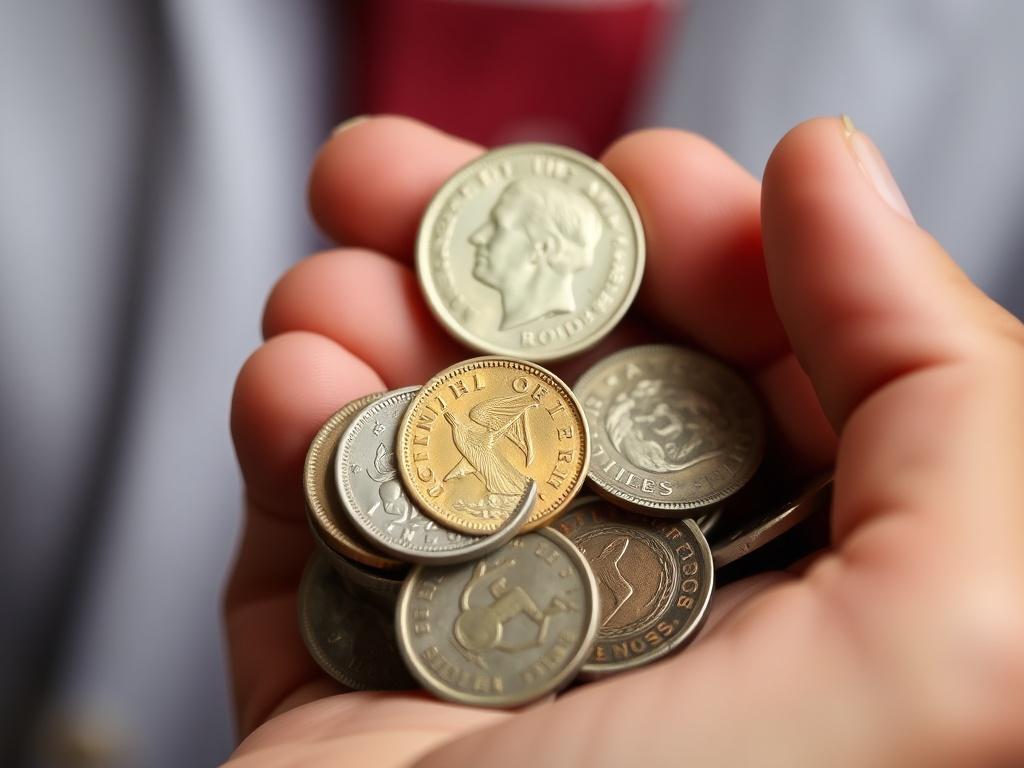
Historical significance—such as being the first year of a design, tied to an event, or produced under special circumstances—elevates collector demand. Provenance from a well-known collection can also add value.
How mintage figures and survival rates interact
Published mintage numbers tell how many coins were struck, but they don’t reveal how many still exist in collectible condition. Corroded storage, circulation, or melting for bullion have thinned many issue populations.
Collectors often prize coins with low “survivorship” even if mintage was moderate, because finding a high-grade example is rare. Auction records and census reports from grading services can help estimate true scarcity.
Authentication: spotting fakes and alterations
Counterfeits range from crude forgeries to sophisticated castings and altered genuine coins meant to mimic rarer dates or mintmarks. Since the stakes can be high, learning common red flags is essential.
Watch for inconsistent edge reeding, mismatched weight, improper letter spacing, or surface characteristics that look too smooth or pitted. Professional tools like spectral analyzers aren’t necessary for initial checks, but a careful eye and some simple tests reveal many problems.
Common scams and treatments to watch for
Frequency cheats include adding or altering mintmarks, date alterations, or artificially cleaning and polishing to hide defects. Slapping a rare date onto a common planchet is an old trick, and the seams where letters were reshaped can sometimes be detected under magnification.
Another practice is “plating”—applying a thin layer of gold or silver to make a low-denomination coin appear more valuable. Weighing coins and comparing to standard specs often exposes such plating because the mass won’t match the genuine alloy.
Professional grading and certification: pros and cons
Major grading services encapsulate coins, assigning a grade and offering a guarantee against counterfeiting or mishandling within the holder. For higher-value coins, certification can unlock broader buyer confidence and higher realized prices.
However, grading costs money and involves risk; a coin might receive a lower grade than you expect, and shipping, insurance, and grading fees eat into potential returns. For low-value or sentimental pieces, certification rarely makes financial sense.
When to consider sending a coin to a grading service
If the coin is of known rarity, has potential for high value in top grades, or you plan to sell to serious collectors, grading is often worthwhile. Certification helps in auctions and when dealing with remote buyers who rely on third-party verification.
For common-date coins or pieces unlikely to fetch hundreds or thousands, a professional dealer’s appraisal may suffice. Many collectors hold off on grading until the coin is vetted through trusted research and preliminary valuation.
Where to research prices and comparable sales
Start with established price guides, auction catalogs, and recent sales records. Sites run by major auction houses, grading services, and dedicated numismatic platforms let you search by date, mint, and grade to see what coins actually sold for.
Be skeptical of “listed” prices that are seller asking prices rather than realized sale prices. Real transactions provide more reliable market signals than listing prices on marketplace websites.
Useful online and printed resources
Major auction sites publish results that you can filter by coin type and grade; grading services offer census data that shows how many coins of a particular grade they’ve certified; and specialist price guides aggregate recent sales. Libraries and coin clubs often hold older catalogs and references that can be invaluable.
Local coin dealers and experienced collectors are also useful—walking a coin into a reputable shop and asking for a candid assessment provides quick, practical insight. Remember that dealers need to account for overhead and resale margin when quoting a buy price.
How to estimate value at home: a step-by-step checklist
Begin by identifying the coin fully: country, denomination, date, and mintmark. Then check condition using magnification and match it broadly to a grading tier on the Sheldon scale.
Next, research comparable coins with the same date, mintmark, and grade. Look for multiple sales to confirm a price range rather than relying on a single listing.
- Identify and document the coin with photos and measurements.
- Assess condition and note any damage, cleaning marks, or anomalies.
- Search auction records and price guides for close matches.
- Consider professional authentication for anything that appears rare or valuable.
- Decide whether to sell locally, online, or through auction based on value and convenience.
Real-life examples and lessons I’ve learned
I once picked up a small packet of mixed coins at an estate sale, mostly common dated pieces and pocket change. One coin—a Lincoln cent tucked under a pile of paperclips—turned out to be a 1943 copper cent, a wartime anomaly that quickly sent me down the rabbit hole of research and authentication.
That example taught me two things: first, always document everything before handling too much; second, a single coin can justify the time and expense of professional grading when the potential upside is significant. I sent mine to a major service, and the certification allowed a confident sale to a collector who appreciated the rarity.
Selling options and strategies
Your selling route should match coin value and your tolerance for time and uncertainty. Local dealers provide immediate cash but buy at wholesale; online auctions and marketplaces can net higher prices but require more effort and carry risk of return disputes.
Auction houses are ideal for high-value or rare items because they attract specialist bidders, but consignments include fees and potential delays. For moderate-value coins, a private sale to a collector or a reputable dealer often balances price and convenience.
Tips for maximizing sale price
High-quality photos, accurate descriptions, and documentation of any grading or provenance help. Timing matters—rare coins tied to a trend may reach peak interest at certain times, while selling during a glut of similar items can suppress prices.
Finally, get multiple opinions for high-value items. The difference in offers between dealers can be substantial, and patience often increases realized prices more than rushing a sale.
Care, storage, and insurance
Proper storage preserves value; improper cleaning or environmental damage destroys it. Store coins individually in inert holders, capsules, or archival flips and keep them in a cool, stable environment away from humidity and corrosive materials.
For collections with significant value, consider inventorying and insuring them under a homeowners policy or a specialized collection rider. Documentation helps with claims and provides peace of mind.
Simple storage checklist
- Use acid-free, inert containers—avoid PVC plastics that leach over time.
- Store in a low-humidity environment and avoid temperature extremes.
- Handle coins by the rim with gloves or clean hands to prevent oils transferring.
- Keep detailed records: photos, grades, purchase dates, and receipts.
Common mistakes people make when assessing value
One frequent misstep is trusting a single internet listing as a market value. Sellers often list rare coins at optimistic prices that do not reflect what buyers will actually pay.
Another error is cleaning coins to “improve” appearance; cleaning almost always reduces resale value. Buyers prefer original surfaces and patina that tell the coin’s history.
When to consult a dealer versus an independent appraiser
Dealers are appropriate for buying and selling; they can give quick offers and explain the market. Appraisers, often independent, provide objective valuations for insurance or estate purposes and usually charge a fee or hourly rate.
If you suspect your coins are of significant value, an appraiser’s third-party written document is helpful for insurance and estate records. For routine sales, a few dealer opinions are usually sufficient to gauge market interest.
Legal and tax considerations
Sales of valuable coins can have tax implications depending on your location and the scale of the activity. Reportable gains may arise if coins appreciate and are sold for profit.
Keep careful records of acquisition cost, sale price, and any fees associated with grading or sale; they matter for tax reporting and establishing basis in the event of an audit.
Special categories: bullion, numismatic, and estate coins
Bullion coins derive most of their value from metal content and track metal markets closely. Numismatic coins, by contrast, have collectible premiums based on scarcity and condition that can far outstrip metal value.
Estate coins often contain a mix: some purely bullion, some common-date numismatic, and the occasional surprising rarity. Sorting them thoughtfully and documenting provenance adds value and clarity for heirs or buyers.
Tools and services I recommend from experience
A basic kit I use includes a 10x loupe, digital calipers, a compact scale precise to at least 0.01 grams, and a magnet for quick ferrous checks. For research, I turn to auction house archives and major grading service census reports as starting points.
When a coin looks promising, I photograph it carefully under neutral lighting and post to a trusted collector forum or ask a knowledgeable dealer for an informal opinion before investing in grading. The time saved avoids unnecessary fees and false hopes.
How to build a habit of smart collecting and valuation
Start small and learn by comparing: take time to examine coins of known grades and look for patterns in wear, luster, and strike. Joining a local coin club or online community accelerates the learning curve through shared experience and mentorship.
Keep a notebook or digital record of any coins researched, what sources you checked, and what values you found. Over time, you’ll build a personal database that makes future assessments quicker and more accurate.
Quick reference: common U.S. issues worth checking closely
Certain U.S. coin types frequently attract collector attention: early silver dollars, key-date Lincoln cents, large cents, proof sets, and classic commemoratives. Their desirability varies widely by date, mint, and condition.
Rather than providing a static price list, which ages quickly, I recommend checking current auction results for specific dates and grades whenever you suspect one of your coins might fit these categories.
Final practical checklist before you act
Document your coin(s) with photos and measurements, then compare to auction records and price guides. If the coin appears rare and potentially valuable, get a second opinion from a reputable dealer and consider professional grading.
Decide on your desired outcome—sell quickly for cash, hold as an investment, or get certified for maximum buyer confidence—and choose the path that best fits the coin’s value and your goals. Careful, methodical steps turn uncertainty into actionable decisions and, sometimes, a small treasure discovered in a drawer.

 Welcoming new life: rituals and traditions to celebrate your pregnancy
 From rites to ultrasound: a social history of pregnancy care
 Natural pain relief options for labor: practical tools, evidence, and real-life tips
 When genes become a conversation: navigating genetic counseling