
We all hear that water is essential and fiber is good for digestion, but few people appreciate how tightly those two are linked to everyday health. In the span of a normal week, your choices about fluids and plant-based fiber influence energy, mood, skin, waste elimination, and even how your body handles sugar and cholesterol. This article takes a practical, evidence-based look at the roles of hydration and fiber—why they matter, how they work together, and how to make both simple parts of daily life.
Water: the quiet workhorse of physiology
Water makes up roughly 50–60 percent of adult body weight and participates in nearly every physiological process. It transports nutrients and oxygen to cells, removes waste products, regulates body temperature, and provides the medium in which biochemical reactions occur. When water is scarce, those systems slow down or become less efficient; performance, cognition, and mood can all decline.
Beyond those core functions, hydration affects blood volume and viscosity, meaning it influences how hard the heart must work to circulate blood. Fluids also lubricate joints and cushions organs. Even small changes in hydration status can be noticeable: a mild shortfall often shows up as fatigue, headaches, or difficulty concentrating before progressing to more serious symptoms if unaddressed.
Not all fluids are equal. Plain water is an economical and calorie-free choice, but beverages like tea, coffee, and milk also contribute to daily fluid needs. Sugary drinks raise calorie intake without providing lasting hydration benefits and can undermine metabolic health when consumed frequently. Paying attention to both the quantity and quality of fluids helps maintain balance.
Dietary fiber: more than digestive bulk
Dietary fiber is the indigestible portion of plant foods, and it comes in two broad categories: soluble and insoluble. Soluble fiber dissolves in water and forms a gel-like material in the gut, slowing digestion and helping to moderate blood sugar and cholesterol. Insoluble fiber adds bulk to stool, promoting regular bowel movements and supporting colon health.
Beyond mechanical effects, fiber fosters a healthy gut microbiome. Certain fibers are fermented by gut bacteria into short-chain fatty acids like butyrate, which feed colon cells and reduce inflammation locally and systemically. This metabolic activity links fiber intake to immune health and may influence conditions ranging from obesity to mood disorders.
People often think of fiber only in the context of constipation relief, but habitual intake also plays a role in appetite regulation, weight management, and risk reduction for chronic diseases. Foods rich in fiber tend to be nutrient-dense, lower in energy density, and more satiating than processed, low-fiber options.
How hydration and fiber interact inside your body
Hydration and fiber are partners in the digestive tract. Soluble fiber binds water, forming viscous gels that slow stomach emptying and modulate nutrient absorption. That water-binding property explains why adequate fluid intake matters when you increase dietary fiber; without enough fluid, fiber can become less effective and may cause bloating or discomfort.
In the large intestine, water softens and moves the fiber-rich stool along. Insoluble fiber acts like a broom, but it needs water to do its job smoothly. When you combine adequate hydration with regular fiber intake, bowel transit time tends to normalize, making both constipation and overly rapid transit less likely. The result is more regular stools and less straining.
Fiber fermentation also consumes and produces water in the colon, affecting stool consistency. The balance between hydration and fiber determines whether stools are soft, firm, or loose. This is one reason clinicians often advise gradual increases in fiber intake paired with higher fluid consumption, rather than dramatic jumps in plant foods alone.
Daily targets: how much is enough?
Official guidance offers useful starting points, but individual needs vary by age, sex, body size, activity level, and health status. For fiber, major U.S. health authorities recommend about 38 grams per day for men and 25 grams per day for women up to age 50, with slightly lower targets for older adults. These recommendations reflect amounts associated with improved cardiovascular and digestive outcomes.
Fluid needs are commonly expressed as total water intake from all beverages and foods. Typical numbers cited are around 3.7 liters (about 125 ounces) per day for men and 2.7 liters (about 91 ounces) per day for women. Those amounts include water from food, which typically contributes about 20–30 percent of total intake in varied diets.
Use these figures as starting benchmarks rather than strict rules. People who sweat a lot, live in hot climates, are pregnant or breastfeeding, or consume high-fiber diets often require more fluid. Conversely, those with certain medical conditions may need individualized targets set by a healthcare provider.
Practical table: approximate fiber and water content of common foods
| Food (typical serving) | Fiber (grams) | Water content (approx.) |
|---|---|---|
| Apple, medium (with skin) | 4.4 g | 86% (about 180 g water) |
| Cooked lentils, 1 cup | 15.6 g | about 70% (approx. 180 g water) |
| Broccoli, 1 cup chopped (raw) | 2.4 g | about 89% (approx. 150 g water) |
| Oats, 1 cup cooked | 4 g | about 84% cooked (liquid incorporated) |
| Plain yogurt, 1 cup | 0 g | about 85% (approx. 200 g water) |
| Avocado, half | 6.7 g | about 73% (approx. 100 g water) |
This table offers approximate values to illustrate how many everyday foods contribute both fiber and water. Fruits and vegetables are especially efficient at providing both, while legumes and whole grains are fiber powerhouses that also hold moisture when cooked.
Food sources that deliver fiber and fluids together
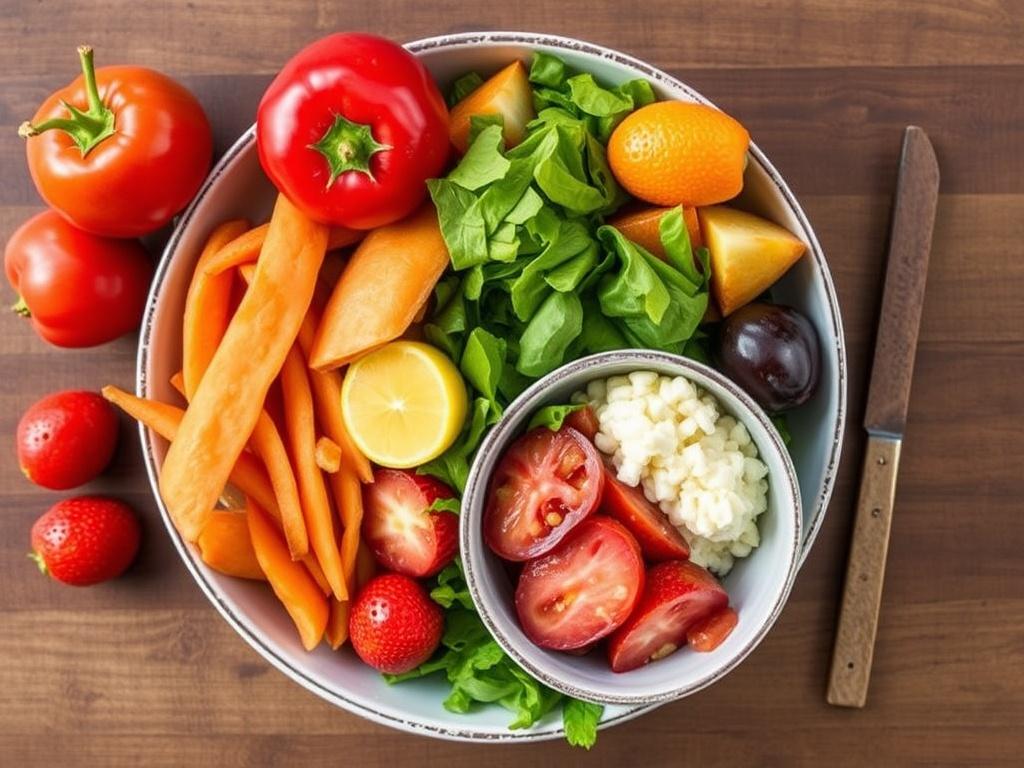
Choosing whole fruits and vegetables is one of the simplest strategies for boosting both hydration and fiber intake at once. Cucumbers, watermelon, oranges, and berries supply high water content alongside modest fiber, making them convenient snacks, especially in warm weather.
Cooked legumes—such as lentils, chickpeas, and black beans—provide dense fiber and hold water when prepared, contributing to overall hydration. Soups and stews that include whole grains, beans, or vegetables offer another practical format: you consume both liquid and fiber in a single bowl.
Other useful pairings include Greek yogurt topped with berries and flaxseed, oatmeal made with milk or water and apple slices, and salads composed of dark leafy greens, beans, and sliced cucumber. Aiming for whole-food combinations keeps calories reasonable while maximizing nutrient density.
How to increase both without digestive upset

When people suddenly load up on fiber, they often experience gas, bloating, and discomfort. The safest approach is gradual: add one fiber-rich food per day for one to two weeks and allow your gut microbiota and digestion to adapt. Simultaneously increase fluid intake so the added fiber has the water it needs to move through the intestines.
Practical techniques include switching to whole-grain bread one slice at a time, adding a tablespoon of ground flaxseed to yogurt daily, or including a half-cup of beans in a few meals each week. Those small, steady adjustments add up to meaningful increases in fiber without overwhelming the system.
Listen to your body. If bloating persists despite gradual increases, experiment with the type of fiber you’re adding. Some people tolerate insoluble fiber poorly and do better with soluble, fermentable fibers like oats or psyllium. Consulting a registered dietitian can help tailor a plan for sensitive guts or conditions like irritable bowel syndrome (IBS).
Athletes and highly active people
People who exercise intensely have elevated fluid losses through sweat and may need to concentrate on timely fluid replacement. Dehydration impairs performance and thermoregulation, and even modest fluid deficits can increase perceived exertion and reduce endurance.
Fiber timing matters for athletes: large amounts of high-fiber foods immediately before intense activity can cause gastrointestinal discomfort. Aim for fiber-rich meals several hours before exercise and choose lower-fiber, carbohydrate-focused snacks closer to training sessions. Rehydration after exercise should pair with some salty fluids or foods to help restore electrolyte balance.
Older adults
Thirst perception declines with age, making older adults more susceptible to dehydration. At the same time, slower intestinal transit can increase constipation risk, so dietary fiber remains vital. Encouraging fluid intake through soups, smoothies, and water-rich fruits can be effective when plain water is unappealing.
Seniors who take multiple medications should talk with their healthcare providers, as some medicines affect hydration and bowel function. Practical aids such as setting hourly reminders to drink or keeping a favorite beverage within sight can support better habits over time.
Pregnancy and lactation
Pregnancy raises both fluid and fiber needs. Increased blood volume and amniotic fluid contribute to greater water requirements, while constipation is common due to hormonal shifts and pressure from the growing uterus. A balanced strategy that prioritizes water, fiber-rich foods, and regular movement helps manage both needs safely.
During breastfeeding, fluid needs increase again because milk production largely depends on water availability. Drinking to thirst is a reasonable baseline, but many breastfeeding people find that sipping frequently throughout the day supports both milk supply and personal comfort.
Common myths and misconceptions
Myth: You can get all your water needs from coffee and tea. Reality: Caffeinated beverages count toward total fluid intake, but high caffeine doses can have diuretic effects in some individuals and may not be the best strategy for sustained hydration. Balance caffeinated drinks with plain water and hydrating foods.
Myth: Fiber causes weight gain because it adds bulk. Reality: Fiber increases satiety and tends to reduce overall energy intake by helping people feel full longer. Most high-fiber foods are lower in energy density and often support weight management rather than undermine it.
Myth: More fiber is always better. Reality: While habitual fiber intake has clear benefits, jumping to very high levels without sufficient fluids or a gradual buildup can produce discomfort. Individual tolerance varies, and pursuing a balanced increase rather than extremes is both safer and more sustainable.
Recognizing the signs of inadequate intake
Dehydration often begins subtly. Early signs include dry mouth, decreased urine output, darker urine, lightheadedness, and difficulty concentrating. Physical performance and thermoregulation decline before severe symptoms appear, so early recognition matters.
Low-fiber intake commonly presents as infrequent stools, hard or lumpy stools, and straining during bowel movements. Chronic low fiber can also associate with higher long-term risks for certain diseases, so recurring symptoms should prompt a review of dietary patterns.
Both inadequate fluids and low fiber can influence skin health, mood, and energy levels. If you notice a mix of symptoms—irregular digestion, persistent fatigue, or frequent headaches—evaluate both water and fiber consumption rather than focusing on a single factor.
Simple daily checklist to improve both
- Start the day with a glass of water and a fiber-containing breakfast like oatmeal with fruit.
- Carry a refillable water bottle and set simple goals (for example, refill twice between meals).
- Include a vegetable or fruit at every meal and a legume or whole grain several times per week.
- If you increase fiber, add water at the same time—aim for an extra glass with each new fiber-rich food for the first week.
These small, repeatable habits are easier to sustain than dramatic changes. Over the course of weeks, they transform both hydration routines and fiber patterns into automatic behaviors.
Sample day: practical meal plan with fluid and fiber in mind
| Meal | Example | Approx. fiber | Fluid contribution |
|---|---|---|---|
| Breakfast | Oatmeal with berries and ground flaxseed; 8 oz water | 7–9 g | 8 oz (plus water in oatmeal) |
| Mid-morning | Apple and 8 oz herbal tea | 4–5 g | 8 oz |
| Lunch | Mixed salad with chickpeas, cucumbers, and vinaigrette; 12 oz sparkling water | 8–10 g | 12 oz |
| Afternoon snack | Carrot sticks and hummus; 8 oz water | 3–4 g | 8 oz |
| Dinner | Grilled salmon, quinoa, steamed broccoli; 8–12 oz water or tea | 6–8 g | 8–12 oz |
| Evening | Greek yogurt with prune halves or a peach | 2–3 g | small fluid from yogurt and fruit |
This example emphasizes a steady intake of both fiber and fluids across the day. Total fiber in this plan would typically fall between 30 and 40 grams, and total beverage consumption could be adjusted to individual thirst and needs.
Tracking without losing your sanity
Tracking every ounce and gram can become exhausting, so aim for practical markers instead. Use simple signals like the color of your urine (pale straw-colored is a reasonable target), frequency of bowel movements (regular and comfortable), and how you feel during workouts. Those cues give immediate feedback without obsessive measurement.
For people who prefer numbers, apps and simple journals can help identify patterns. Track fiber intake for a few days and notice which meals supply most of it; then redistribute fiber more evenly across meals. Doing this once or twice a month is often enough to maintain awareness and make gradual improvements.
When to seek professional advice
If you have chronic digestive symptoms, unexplained weight loss, blood in the stool, or medical conditions like kidney disease, heart failure, or certain endocrine disorders, talk to a healthcare provider before making major changes to fluid or fiber intake. Those conditions can alter how much fluid your body can safely handle or how your diet should be structured.
A registered dietitian can help tailor fiber and fluid strategies for specific needs, including athletic training, pregnancy, or managing gastrointestinal disorders. Personalized guidance often makes a big difference in adherence and outcomes.
Practical tools and swaps that work
Replace one refined grain each day with a whole-grain option—brown rice instead of white or whole-grain bread instead of white. Add a cup of vegetables to one additional meal every day, and keep a bowl of fruit visible for quick snacks. These swaps raise fiber intake without complicated recipes.
To up hydration, flavor water naturally with citrus slices, cucumber, or mint if plain water feels dull. Keep a water bottle on your desk and set simple timers or use phone reminders if you tend to forget. For many people, a single habit—like drinking a glass of water before each meal—creates a reliable baseline of fluid intake.
Author’s note: a real-life experiment
Several years ago, I tested a simple plan to see how small changes affected daily life: I aimed for an extra 20 grams of fiber per day and added roughly 24 ounces of water above my usual intake. Within two weeks, my digestion became more regular and my afternoon energy dip softened noticeably. I also slept a bit deeper, likely a mix of steady blood sugar and reduced overnight thirst.
I made one practical adjustment that helped sustain the change: I prepared overnight oats three times a week and kept a jug of fruit-infused water in the fridge. Those minor shifts cut the friction of healthy choices and turned improvements into lasting habits.
Addressing special concerns: constipation, IBS, and diarrhea
Constipation often responds to a combined approach of increased fiber, more fluids, and regular movement. Start with soluble fibers like oats or psyllium if stools are hard, and pair with fluid increases. If symptoms don’t improve, medical evaluation may be necessary.
People with irritable bowel syndrome (IBS) sometimes find that certain fermentable fibers provoke symptoms. The low-FODMAP approach can be useful short-term to identify triggers, but it should be overseen by a dietitian because it restricts many fiber-rich foods initially. Tailoring fiber type and timing often reduces symptoms without sacrificing long-term gut health.
Chronic diarrhea requires a different approach: some soluble fibers can help firm stools, but persistent diarrhea needs medical assessment to rule out infections, inflammatory conditions, or malabsorption. The balance between fiber and fluid becomes delicate in these situations and benefits from professional oversight.
How fiber and hydration influence long-term health
Habitual fiber intake is associated with lower risk of cardiovascular disease, improved glycemic control, and better weight management. These benefits accrue over years and reflect fiber’s multiple mechanisms: modulating blood lipids, feeding beneficial gut microbes, and promoting satiety. Regular hydration supports these processes by enabling efficient transport and metabolic function.
Maintaining adequate fluid balance also reduces kidney stone risk and helps regulate blood pressure in many people. For aging populations, staying hydrated preserves cognitive function and mobility. In short, both hydration and fiber are foundational elements that influence the trajectory of chronic disease risk and quality of life.
Small experiments you can try this week
- Day 1: Add a half-cup of beans to one meal and drink an extra 8–12 ounces of water alongside it.
- Day 3: Swap a snack of chips for a cup of berries and a handful of nuts.
- Day 5: Prepare a large jug of infused water to have available all day and note how much you sip.
- End of week: Reflect on energy, bowel habits, and thirst levels to decide next steps.
These tiny experiments keep the process low-friction and informative. The point is to discover practical habits that fit your rhythms rather than chasing idealized numbers that feel unattainable.
Final thoughts on building lasting habits

Hydration and fiber are neither glamorous nor complicated, but they are profoundly consequential. The most successful strategies are small, consistent, and adapted to personal taste and schedule. Think in terms of patterns—steady water sips, regular servings of whole plants, and mindful adjustments when activity levels or life stages change.
Over time, those modest daily choices compound into measurable benefits: fewer digestive complaints, steadier energy, and lower long-term risk for several chronic conditions. If you take nothing else from this discussion, try pairing one glass of water with one fiber-rich change this week and watch how your body responds. Small wins make the bigger picture possible.

 Keeping your pregnancy safe: practical steps to avoid environmental toxins
 Building your birth team: OB/GYN vs. midwife — who belongs at your side?
 The truth about “pregnancy brain”