
Facing a cesarean birth can stir a surprising mix of emotions: relief, curiosity, worry, even a quiet kind of excitement. Whether your C-section is planned or becomes necessary during labor, knowing what to expect and how to prepare makes the experience more manageable and helps you recover faster.
Understanding why a cesarean might be recommended
A cesarean delivery is a surgical birth in which the baby is delivered through an incision in the abdomen and uterus. Doctors recommend a C-section for many reasons, from placenta placement or breech presentation to complications during labor that make a vaginal birth unsafe for mother or baby.
Some women face a planned, scheduled cesarean because of prior uterine surgery, multiple pregnancies, or known fetal concerns. Others arrive at the hospital expecting a vaginal birth and end up having an unplanned C-section for reasons that arise during labor, such as stalled progress or fetal distress.
Understanding the medical rationale helps you feel less at the mercy of events. Ask your obstetrician to explain clearly why a cesarean is the safest option in your case, and request written information or reputable websites you can review later.
When to plan: scheduled vs unplanned cesarean
A scheduled C-section gives you a calendar date, time to prepare logistics, and time to mentally shift expectations. You can arrange childcare, pack bags, and organize transportation with less stress. The hospital will usually provide preoperative instructions about fasting, medications, and arrival time.
Unplanned cesareans can feel abrupt and disorienting. If you hope for a vaginal birth but face an emergency, having a basic plan in place ahead of time—like a hospital bag, postpartum supplies, and someone who knows your preferences—reduces the chaos when decisions must happen quickly.
Either way, discuss what the hospital and surgical team will do in various scenarios: whether a support person can be in the OR, your wishes about delayed cord clamping, skin-to-skin contact, and anesthesia preferences. Many hospitals have protocols that allow at least certain preferences even during cesarean births.
Talking with your care team
Good preparation starts with conversation. Schedule a preoperative visit or phone call to review the procedure, expected timing, and conversation points that matter to you. Write down your questions ahead of time so you don’t forget them in the moment.
Key topics to cover include the type of anesthesia (spinal, epidural, or general), who will be present in the operating room, what to expect immediately after the incision, and newborn care practices in the first hour. Ask about monitoring and IV lines so you know what sensations are normal.
Clarify pain management plans and any restrictions afterward—when you can eat, move, or bathe. If you have allergies, clotting disorders, or a history of difficult anesthesia, make sure the anesthesiologist knows well in advance.
Understanding anesthesia options
Regional anesthesia—spinal or combined spinal-epidural—is the standard for most cesarean births because it numbs the lower body while keeping you awake and able to meet your baby right after birth. The anesthesiologist injects medication that takes effect quickly and typically provides excellent pain control during the procedure.
General anesthesia, which renders you unconscious, is reserved for emergencies or when regional anesthesia is contraindicated. General anesthesia is less common but still an important option when time is critical or when other medical factors demand it.
Before surgery, an anesthesiologist will evaluate your medical history, explain risks and benefits, and answer questions about side effects such as low blood pressure, nausea, or headaches. If you’re anxious about the spinal injection, tell your anesthesiologist—small adjustments and explanations often ease fears.
Medical preparation in the days and hours before surgery
Your care team will give specific instructions about eating, drinking, and medications before the operation. Most hospitals ask patients to avoid solid food for several hours and sometimes clear liquids up to a short window before surgery to reduce the risk of aspiration if general anesthesia becomes necessary.
Discuss which regular medications you should take the morning of surgery. Blood pressure drugs, some heart medications, and certain pregnancy-related prescriptions may be continued or adjusted. Bring a list of medications and supplements with doses to the hospital.
Some hospitals require showers with antimicrobial soap the night before and the morning of surgery to lower infection risk. You might also receive an antibiotic through your IV at the start of the operation to prevent surgical infections.
What to pack in your hospital bag
Pack with both the immediate surgical experience and the early postpartum days in mind. Comfortable clothing, a nursing bra, large underwear, and loose tops that open in front are practical choices. Bring slippers with a non-slip sole and socks to keep your feet warm in the OR and recovery room.
Include toiletries, lip balm, and moisturizer; hospitals can be dry. A supportive pillow to hold against your abdomen when coughing or moving can make the early hours more comfortable. Pack any items that signal comfort—your own blanket, a favorite shirt, or photos—but avoid valuables.
Don’t forget documentation: ID, insurance card, birth plan, and emergency contact information. If your child’s car seat needs to be installed at the hospital, either bring it pre-installed or know who will have time to install it before discharge.
Packing checklist table
Below is a compact checklist to guide what to bring. Customize it to your preferences and length of stay.
| Category | Suggested items |
|---|---|
| Documents | ID, insurance card, hospital forms, birth plan |
| Clothing | Loose button-front tops, nursing bras, nightgown, robe, socks, slippers |
| Toiletries | Toothbrush, hairbrush, shampoo, lip balm, deodorant |
| Postpartum supplies | Heavy mesh underwear, disposable pads, peri bottle, stool softener |
| For baby | Onesies, blanket, hats, newborn diapers, car seat |
| Comfort items | Pillow, phone charger, snacks, music or earbuds |
Preparing your body before surgery
Simple steps in the weeks before a scheduled cesarean can improve outcomes. Stay hydrated, follow a balanced diet rich in protein and iron, and aim for gentle physical activity as your provider permits. Good nutrition supports wound healing and energy during recovery.
If you smoke, now is the time to quit or cut back; smoking increases infection risk and slows healing. Ask your provider for resources—cessation support can make a tangible difference in recovery speed and complication rates.
Practice diaphragmatic breathing and gentle core engagement exercises that your clinician approves. Strengthening the muscles you will use in coughing and moving after surgery makes early mobility easier and reduces strain on the incision.
Mental preparation and realistic expectations
Emotional readiness often gets overlooked. If you had envisioned an all-vaginal birth, a planned C-section can feel like a small grief. Give yourself space to process those feelings before and after surgery. Talk with friends, family, or a counselor who understands birth emotions.
Write a short birth plan that reflects what’s most important to you: whether you want immediate skin-to-skin contact, who is allowed in the OR, and if you prefer to delay cord clamping. Even in a surgical setting, many of these preferences can be accommodated if you communicate them in advance.
Visualize the day: arriving at the hospital, the operating room environment, the sensations you expect, and the first moments with your newborn. Visualization helps reduce anxiety by turning unknowns into knowns.
Support people: who should be with you and their role
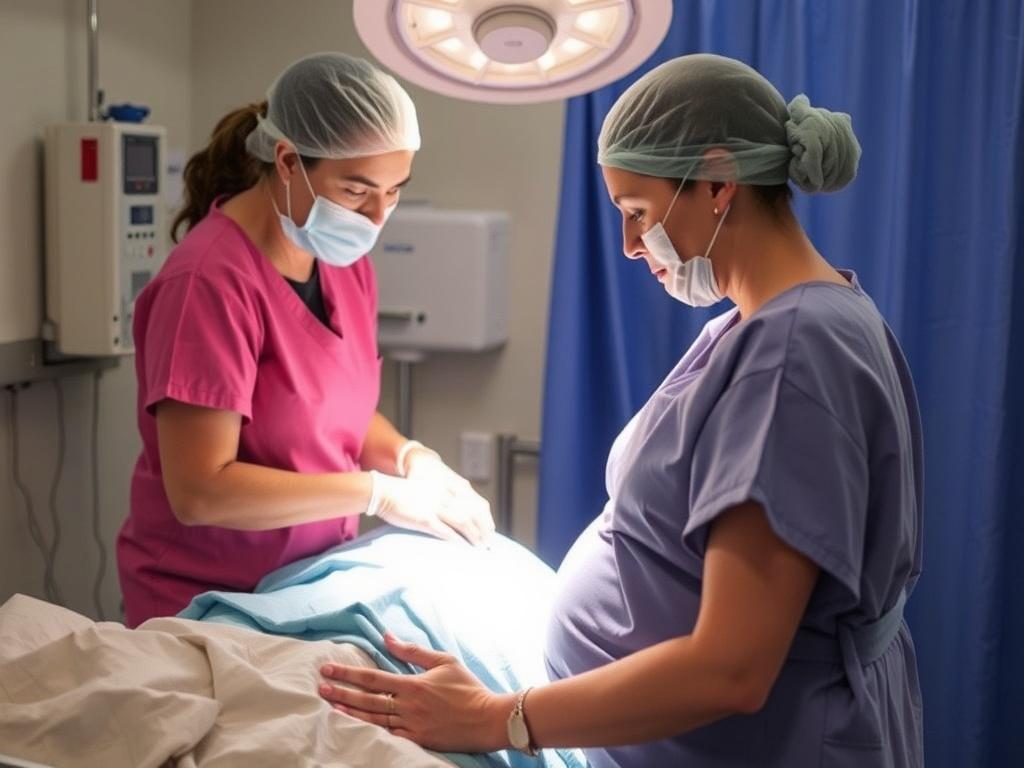
Decide who will be your primary support person in the operating room and who will facilitate logistic support outside. Most hospitals allow one support person in the OR during regional anesthesia; confirm this early because policies can vary. The support person’s calm presence makes a big difference.
Give your support person concrete tasks: bring your ID and paperwork, note instructions from staff, take photos if you want them, and handle communication with family. If you prefer less noise, ask them to help create a quiet environment by limiting phone calls in the waiting area.
Consider a backup plan for childcare, transportation, and pet care. Having practical arrangements secured reduces stress before admission and frees you to focus on recovery and bonding with the baby.
What happens in the operating room
The OR has more people and equipment than a delivery room, but the team’s focus is on safety and efficiency. You’ll meet the anesthesiologist and surgical nurse, and the obstetrician and assistants will prepare for the incision. Staff will monitor your vitals closely throughout.
Regional anesthesia will numb your lower body; you may feel pressure or movement but not pain. The doctor will make a small incision—usually horizontal across the lower abdomen—and deliver the baby in a few minutes. Many women describe sensations of tugging or mild pressure rather than sharp pain.
After delivery, staff will quickly clear the baby’s airways, clamp and cut the cord, and often place the infant on your chest for skin-to-skin contact, depending on hospital policy and the baby’s condition. Meanwhile, the surgical team completes the uterine and abdominal closure.
Immediate postpartum practices and newborn care
When possible, hospitals encourage early skin-to-skin contact and initiating breastfeeding in the first hour. If you have regional anesthesia and feel well, you can usually hold your baby in recovery while providers monitor you both. If immediate contact isn’t possible, ask to have photos taken and a clear description of the baby’s condition.
Newborn procedures—such as weighing, vitamin K injection, and eye prophylaxis—are often done in the room or shortly after birth. Discuss which procedures you prefer to have delayed or combined with skin-to-skin time, and make those wishes known to your team beforehand.
Expect close monitoring in the first few hours: blood pressure, bleeding, and incision checks. Nurses will encourage deep breathing and gentle movement to lower the risk of complications like blood clots and to promote bowel function.
Pain management after a cesarean
Pain control is a priority because it affects your ability to care for and bond with your baby. Hospitals typically use multimodal pain control: scheduled non-opioid medications (acetaminophen and NSAIDs), local anesthesia techniques, and a short course of opioids if needed. Tell nurses if your pain interferes with activities like breastfeeding or walking.
Regional analgesia techniques sometimes continue into the postoperative period through a spinal morphine dose or local anesthetic infusion, reducing the need for systemic narcotics. Ask what your hospital’s standard practice is and which pain control measures you may receive before discharge.
Non-medical methods—positioning, abdominal support with a pillow, breathing exercises, and applying warm packs as recommended—can also help. Gradual activity and walking are encouraged because movement reduces blood clot risk and promotes healing, but balance this with adequate rest.
Early mobility and preventing complications
Getting up and moving—usually within 6 to 12 hours after a cesarean—shortens hospital stays and lowers the risk of pneumonia and blood clots. Nurses will assist with sitting up, standing, and walking the first time so you can do these safely. Expect soreness but not severe pain with these initial steps.
Wear compression stockings if recommended and keep hydrated to maintain circulation. Deep-breathing exercises and coughing while hugging a pillow help protect your incision and lungs. If your legs feel numb or you experience chest pain, shortness of breath, or calf swelling, notify staff immediately.
Follow postoperative instructions about incision care, signs of infection, and activity restrictions. Avoid heavy lifting and strenuous exercise until your provider clears you—usually around six weeks—while gradually increasing light activity as tolerated.
Wound care and signs of infection
Incision care is straightforward: keep the area clean and dry, and change dressings according to hospital instructions. Many surgeons leave the wound covered with a waterproof dressing for the first 24–48 hours and then allow the incision to breathe. Avoid scrubbing or soaking the incision until it’s healed.
Watch for signs that suggest infection or poor healing: increasing redness, swelling, warmth, drainage of pus, fever over 100.4°F (38°C), or worsening pain not relieved by pain medication. Contact your care team immediately if any of these occur.
Some women experience numbness around the incision, which may take months to resolve as nerves regenerate. Scar massage after the wound is fully healed can reduce adhesions and sensitivity; ask your provider when it’s safe to begin.
Breastfeeding after a cesarean
Cesarean birth can present specific breastfeeding challenges—initial positioning, drowsiness from medication, and delayed milk transition for some women. With support and practice, many of these barriers are temporary. Ask for help from lactation consultants before discharge if you’re having trouble with latch, positioning, or milk supply.
Use comfortable feeding positions that avoid pressure on the incision, such as the football hold or side-lying position. Place a small pillow under your arm or behind your back for support. Skin-to-skin contact boosts newborn feeding cues and helps establish lactation, even after surgery.
If you need additional pain medication, discuss which are compatible with breastfeeding. Most common analgesics are safe, but taking the lowest effective dose and timing medication after feeding can further minimize infant exposure.
What to expect during your hospital stay
Typical hospital stays after an uncomplicated C-section last 48 to 72 hours, but this can vary by hospital policies and individual recovery. In those first two or three days, expect frequent checks, assistance with mobility, and orientation to infant care tasks such as feeding and diapering.
Use this time to learn wound care, signs of complications, breastfeeding techniques, and safe infant handling. Ask for written instructions so you can reference them at home. Hospital staff can also help coordinate home nursing or community support services if you need extra help after discharge.
Take naps when you can. Hospital schedules—monitoring, medications, and newborn needs—can disrupt sleep, so rest in the gaps. Limit visitors early on to conserve your energy and reduce stress.
Navigating emotions after a cesarean birth
It’s normal to feel a complex mix of emotions after a surgical birth—relief, disappointment, or even guilt. Give yourself permission to experience whatever comes up without judgment. Many women feel a sense of loss for the birth they had imagined and then a deep, growing love as they bond with their baby.
Talk through your feelings with your partner, a friend who’s been through a similar experience, or a counselor who specializes in perinatal mental health. If you notice persistent sadness, severe anxiety, or thoughts of harming yourself or the baby, seek professional help right away; postpartum mood disorders are common and highly treatable.
Attending a postpartum support group or connecting with online communities can normalize your feelings and provide practical tips. Hearing other women’s stories—how they navigated recovery, feeding, and caring for a newborn—can be both reassuring and instructive.
Returning home: preparing your environment
Set up a recovery-friendly space at home before you come back from the hospital. Keep essentials like diapers, wipes, water, snacks, a phone charger, and medication within arm’s reach of your resting area. A comfortable chair with good back support and a low table for supplies makes day-to-day care easier.
Ask for help from friends or family for the first two weeks with tasks such as meal preparation, laundry, and older-child care. These small supports free your physical and emotional energy for healing and bonding with the newborn. If friends offer to help, give them specific tasks rather than saying “I’ll let you know.”
Plan for follow-up appointments, including a postpartum visit around six weeks. If you have surgical staples or sutures that need removal, schedule that with your obstetrician or clinic nurse ahead of time so the appointment isn’t an afterthought.
Recovery timeline and returning to activity
Recovery after a cesarean unfolds in stages. The first week often includes significant soreness, fatigue, and limited mobility. By two to three weeks many women notice steady improvement, though energy levels may still fluctuate. Full recovery—when you can resume high-impact exercise or heavy lifting—usually takes about six weeks or longer, depending on individual healing.
Listen to your body. Gentle walking in the first few days boosts circulation and decreases the risk of clots. Avoid driving until you can move comfortably and are off narcotic pain medication. Your provider will advise when it’s safe to resume sexual activity and contraception; healing of the uterine incision and overall recovery are considerations in those recommendations.
If you have a physically demanding job or childcare responsibilities, plan a gradual return and arrange for help as needed. Some women find that a phased approach—part-time, then full-time—eases physical strain and supports better recovery.
Nutrition and bowel care during recovery
A balanced diet with adequate protein, iron, vitamin C, and fluids supports wound healing and energy. Fiber-rich foods and stool softeners—often prescribed after surgery—help prevent constipation, which is common due to opioid use and reduced mobility. Eat small, frequent meals if your appetite is low in the early days.
Hydration is crucial for milk supply and overall recovery. Keep a water bottle handy at every feeding. If you take iron supplements, take them with vitamin C source or orange juice to improve absorption, but talk with your provider about timing if they cause gastrointestinal upset.
Monitor bowel function and speak up if constipation persists despite measures. Straining can be painful and place stress on the incision, so prioritize gentle bowel habits and use recommended laxatives or stool softeners until regularity returns.
Managing practical logistics: paperwork, insurance, and leave
Before your cesarean, verify insurance coverage, hospital billing procedures, and any preauthorization you might need. Keep records of hospital forms and copies of discharge instructions. If you plan to file for short-term disability or parental leave, gather medical notes and hospital admission records early to prevent last-minute scrambling.
Speak with your employer or HR department about sick leave and family leave options. In the United States, the Family and Medical Leave Act (FMLA) may provide job protection for eligible employees, but eligibility and policies vary. Clarify how many weeks you plan to take and whether you need medical documentation for your employer.
If you need additional at-home care such as a visiting nurse, lactation consultant, or physical therapy, coordinate those services before discharge. Early support can address small issues before they escalate into larger problems.
Preparing older siblings and family members
Help older children adjust by explaining the baby will be arriving in a way they can understand, and that you’ll need time to rest afterward. Consider having a family member or friend care for them during the surgery and immediate postpartum hours so you can focus on recovery and bonding.
Ask grandparents and helpers to bring prepared meals, help with light housework, and offer practical support rather than immediate advice—sometimes new parents most need a warm meal or folded laundry. Set clear boundaries about visiting early on to protect your rest and recovery.
Teach visitors basic hygiene rules before they arrive: clean hands, minimal contact with the incision area, and staying home if they’re sick. Protecting your newborn from illness and safeguarding your incision from infection both depend on thoughtful visitor practices.
When to call your provider after discharge
Contact your obstetrician or midwife if you experience heavy vaginal bleeding (soaking more than one pad per hour), a fever over 100.4°F (38°C), severe incisional pain, or signs of infection at the incision site. Also call if you have shortness of breath, chest pain, or calf swelling, as these can indicate blood clots.
If breastfeeding is not progressing—recurrent pain, poor latch, or concerns about infant weight gain—reach out to a lactation consultant promptly. Early intervention prevents longer-term feeding difficulties and supports your confidence.
Any new, strong feelings of hopelessness, anxiety, or intrusive thoughts about harming yourself or your baby require immediate contact with your healthcare provider or emergency services. Perinatal mental health is serious and treatable; you don’t have to manage it alone.
Long-term considerations and future pregnancies
Many women wonder about implications for future births after a cesarean. A vaginal birth after cesarean (VBAC) is an option for some, while a repeat C-section may be recommended in other cases. Discuss your future pregnancy plans with your provider so you can make informed decisions about family planning and timing.
Scarring and potential uterine adhesion formation are factors your clinician will review when considering subsequent pregnancies. If you plan more children, allow sufficient recovery time between pregnancies—commonly at least 18 months—unless your provider advises otherwise based on your specific health circumstances.
Keep records of the surgical notes and any complications because these details inform future obstetric care. A thoughtful debrief with your care team—what went well and what could be different next time—helps you plan better for future births and reduces anxiety.
My own experience: small comforts and unexpected lessons
When my partner had a scheduled cesarean, we learned how much small preparations mattered. The pillow I brought to press gently against her incision when she laughed or coughed became the unsung hero of our first few days. I kept a bedside caddy with water, snacks, and wet washcloths so she wouldn’t have to reach for anything.
We also discovered how important clear, honest communication was with the staff. Requesting the lactation consultant early prevented latch frustration, and having the pediatrician explain the newborn’s routine calmed our nerves during the night. Those small conversations translated into smoother care and fewer surprises.
The experience taught us to ask for help and to accept it. Friends who brought meals and offered to take our older child to the park bought us precious recovery time. Looking back, the logistics and emotional support mattered as much as the medical care.
Quick checklist to prepare before surgery

Use this condensed checklist to make last-minute preparations simpler on the day you go to the hospital. Adjust items to fit your personal circumstances and hospital policies.
- Confirm hospital arrival time and bring ID/insurance information.
- Pack your hospital bag with clothing, toiletries, and postpartum supplies.
- Install the infant car seat or confirm who will install it before discharge.
- Arrange childcare and pet care for your other children.
- Prepare easy meals or freezer meals for the first two weeks home.
- Discuss anesthesia and preferences with your anesthesiologist.
- Share your birth plan and key wishes with the surgical team and support person.
Final practical tips for the day of surgery
On the morning of your cesarean, wear loose clothing and remove jewelry. Bring a list of current medications and any allergies. Follow fasting instructions precisely and take only necessary medications with a small sip of water if advised.
Arrive with enough time to complete intake paperwork without rushing. Bring comforting items like a playlist or photos if permitted, and ask your support person to stay calm and focused on helping with logistics. A relaxed support person often makes the day easier for everyone.
Remember that the surgical team’s priority is safety for you and your baby. While not everything may unfold exactly as planned, many preferences can be accommodated with good communication. Trust your care team, advocate gently for your wishes, and let the first moments with your newborn set the tone for the days ahead.
Resources and further reading

Before your cesarean, request reliable resources from your provider—hospital handouts, lactation support contacts, and community-based postpartum services. Reputable organizations like the American College of Obstetricians and Gynecologists (ACOG) provide evidence-based guidance on cesarean births and recovery.
Local childbirth education classes often include modules on surgical births and postpartum care, and a certified lactation consultant can provide invaluable hands-on help with breastfeeding after a cesarean. Consider joining a local or online support group for parents recovering from surgical birth to exchange practical tips and compassionate support.
Arming yourself with information, a realistic recovery plan, and a reliable support network creates the best possible environment for healing. Focus on small wins each day—short walks, restful naps, steady breastfeeding sessions—and allow time to adapt to the new rhythms of life with your baby.
Moving forward
Preparing for a cesarean, whether planned or unexpected, is part logistics and part emotional readiness. With clear information, practical planning, and compassionate support, the surgical birth experience can be managed with confidence and care. Take one step at a time, ask for what you need, and give yourself grace during recovery and beyond.

 Warning signs in pregnancy: when to call your doctor
 Sex during pregnancy: safety, surprises, and benefits
 Why a doula matters: deciding if this support fits your birth and postpartum goals
 Smart money moves for a family that’s growing fast